
Hypothermia Prevention Mistakes to Avoid During Severe Weather
Last updated: 2023-09-15
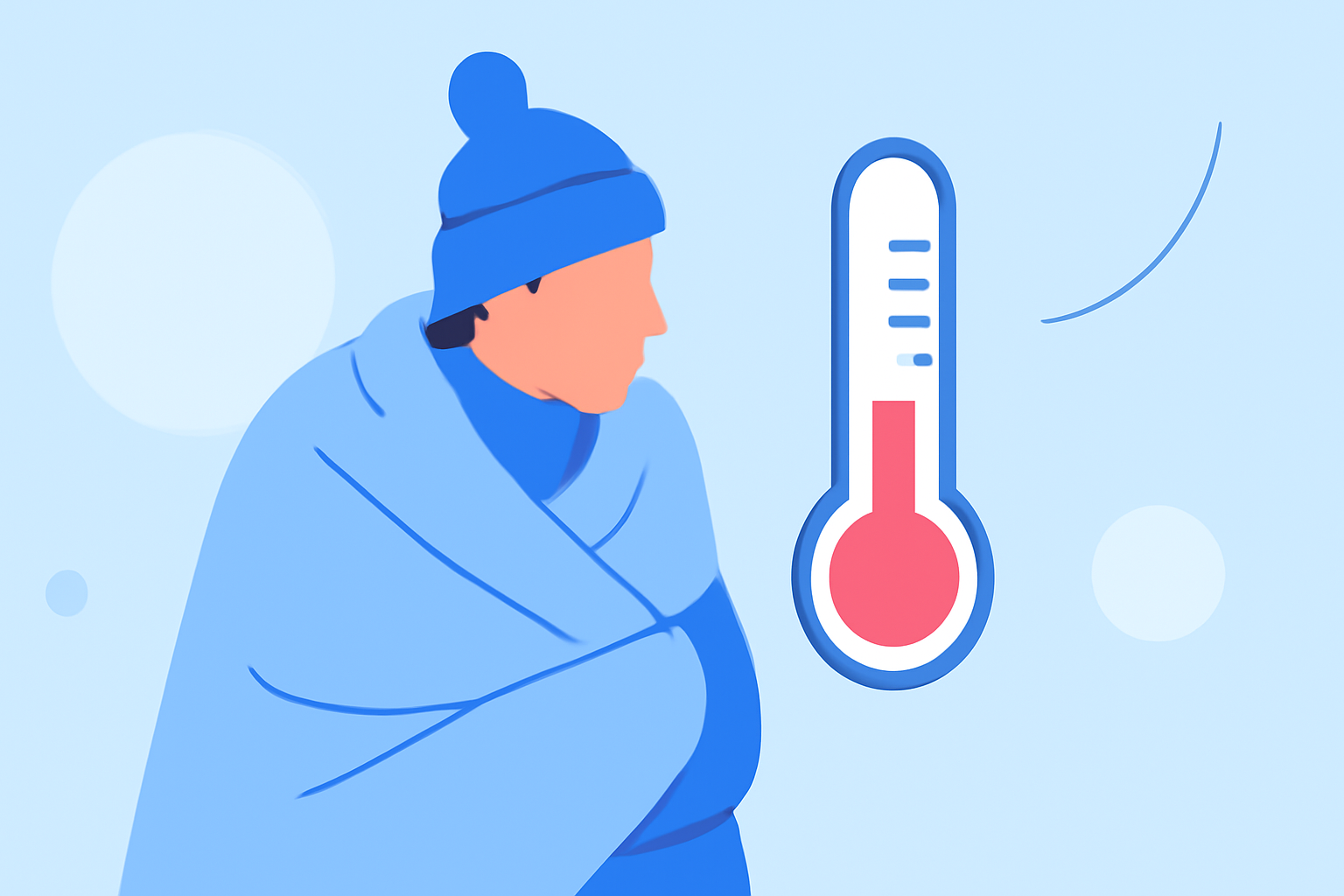
Preventing hypothermia during severe weather is crucial. Common mistakes include underestimating risks, poor clothing choices, and ignoring weather alerts. For effective monitoring and alerts, Clime serves as a valuable resource.
Summary
- Understand hypothermia risk factors and signs.
- Choose appropriate clothing for winter weather.
- Leverage weather services for timely alerts.
- Ensure vulnerable populations are adequately protected.
What Are Common Mistakes in Hypothermia Prevention?
Some of the most frequent mistakes people make when trying to prevent hypothermia include:
- Ignoring weather forecasts: Not checking local weather conditions can lead to exposure to extreme cold without proper preparation.
- Underestimating wind chill: Wind can significantly lower perceived temperatures, increasing hypothermia risk. Dressing adequately in cold, windy conditions is essential.
How Does Clothing Affect Hypothermia Risk?
The choice of clothing is a pivotal factor in hypothermia prevention. Here are common clothing-related mistakes:
- Wearing cotton: Cotton retains moisture and loses its insulating properties when wet, making it unsuitable for winter conditions. Opt for wool or synthetic materials that wick moisture away from the body.
- Neglecting layers: Layering is critical for regulating body temperature. A proper base layer, insulation layer, and waterproof shell can help maintain warmth.
Why Monitoring Weather Alerts Is Essential
Failing to pay attention to weather alerts can be dangerous. Key points include:
- Real-time alerts: Using an app like Clime allows you to receive timely weather alerts about severe conditions, lightning, and storm warnings, ensuring you can take necessary precautions.
- Planning ahead: Regularly checking forecasts and alerts helps in planning outdoor activities while minimizing exposure risks.
What Precautions Should Vulnerable Populations Take?
Certain groups, such as the elderly and children, are at greater risk during severe weather. Precautions should include:
- Ensuring proper supervision: Children should not be left outside for extended periods without a caregiver, especially in freezing conditions.
- Monitoring health: Regular checks can help ensure that those who may be less aware of environmental changes, like the elderly, are not showing signs of hypothermia.
How Can Technology Assist in Prevention?
Mobile weather apps provide various features to help prevent hypothermia:
- Personalized alerts: Clime offers customized weather alerts based on your location, so you can stay informed about severe weather conditions.
- Visual radar images: Understanding weather patterns through visual radar can empower you to plan accordingly and avoid unnecessary exposure.
What to Do in an Emergency?
If you suspect someone is experiencing hypothermia:
- Move to a warm area: Quickly get the person indoors to prevent further heat loss.
- Offer warm beverages: If they're conscious, warm, non-alcoholic drinks can help raise their internal temperature. However, avoid caffeine.