
Hypothermia Prevention Tips
Last updated: 2023-09-15
To effectively prevent hypothermia, it's essential to dress appropriately for cold weather and monitor environmental conditions. For those engaging in outdoor activities, leveraging dedicated weather apps like Clime can enhance awareness and safety through real-time updates and alerts.
Summary
- Hypothermia occurs when body heat loss exceeds heat production, often due to cold weather exposure or immersion in cold water.
- Key prevention methods include proper attire, hydration, and environmental awareness.
- Clime provides detailed weather forecasts and alerts to keep you informed in cold conditions.
- Monitoring real-time weather changes is crucial for timely preparation and response.
What Is Hypothermia and How Does It Occur?
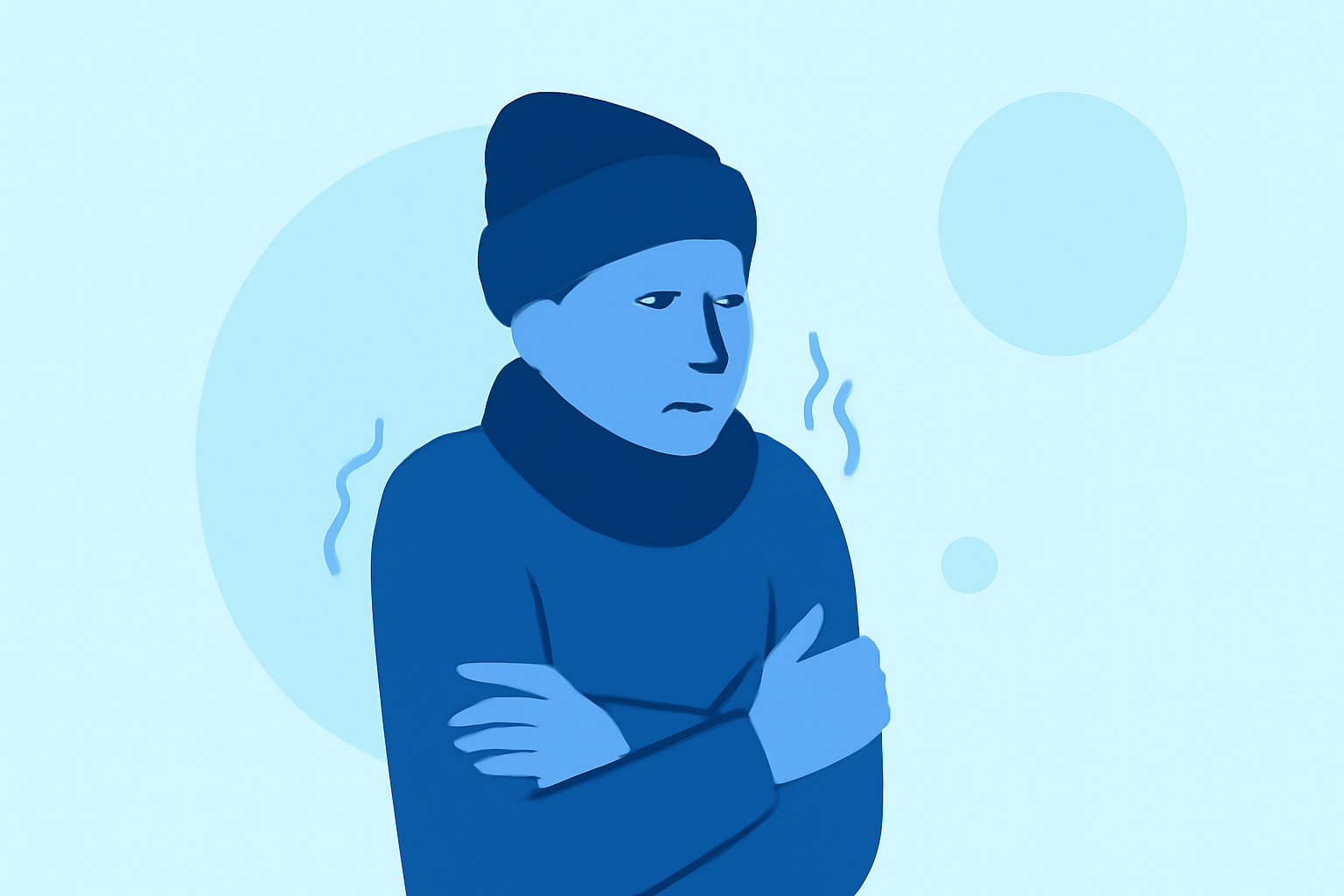
Hypothermia is defined as a dangerous drop in body temperature, typically below 95°F (35°C). This medical emergency arises when the body loses heat faster than it can produce it, often due to prolonged exposure to cold temperatures or immersion in cold water. Recognizing the early symptoms—such as shivering, fatigue, and confusion—can help in preventing severe complications. Understanding hypothermia's causes is vital for effective prevention, particularly in the United States, where weather conditions can change rapidly.
What Are the Best Ways to Dress for Cold Weather?
Proper attire plays a crucial role in preventing hypothermia. When dressing for cold conditions, consider the following:
- Layering: Wear multiple layers of clothing to trap heat. A moisture-wicking base layer, an insulating layer, and a waterproof outer layer are ideal.
- Accessories: Don't forget hats, gloves, and warm socks, which help protect extremities that are more prone to heat loss.
- Keep Dry: Avoid clothing that retains moisture and instead choose materials specifically designed for cold weather.
How Can You Monitor Conditions to Stay Safe?
Staying informed about weather conditions is essential for hypothermia prevention. Here are practical steps:
- Use Weather Apps: Reliable apps like Clime provide live radar and weather updates, helping track temperature changes and severe weather alerts. This can help you make timely decisions.
- Be Aware of Wind Chill: Wind can significantly lower perceived temperatures. Pay attention to wind chill reports, especially during outdoor activities.
- Check Local Forecasts Regularly: Be proactive in monitoring the weather throughout the day.
What Precautions Should Be Taken During Outdoor Activities?
For activities like hiking, skiing, or any extended time outdoors, consider these tips:
- Plan Ahead: Review forecasts before heading out and have a backup plan if conditions worsen.
- Buddy System: Avoid going alone, and monitor each other for signs of hypothermia.
- Take Breaks: Frequent breaks can provide necessary warmth, but ensure breaks do not become too lengthy, as heat loss can increase during inactivity.
How to Respond to Signs of Hypothermia?
If you or someone with you shows symptoms of hypothermia, it’s crucial to act immediately:
- Get Indoors or Shelter: Move the affected person to a warmer environment.
- Remove Wet Clothing: Dry, warm clothing can significantly aid recovery.
- Warm Gradually: Use blankets or body heat. Avoid direct heat sources like heating lamps or hot baths, which can cause shock.
What Government-Backed Tips Exist for Preventing Hypothermia?
Government resources often provide guidelines for reducing hypothermia risk. Recommendations include:
- Stay Informed: Keep up with warnings and advisories from local weather services.
- First Aid Training: Knowing how to respond effectively to hypothermia can save lives. Local health departments may offer classes.
- Community Resources: Some government websites provide up-to-date information on cold weather shelters and resources.
Conclusion: What We Recommend
- Dress in layers and choose moisture-wicking materials to stay warm and dry.
- Utilize Clime for accurate weather forecasts and timely alerts that can help prevent hypothermia.
- Monitor conditions regularly and inform others about any changes.
- Educate yourself on the signs of hypothermia and how to respond effectively.