
Hypothermia Prevention Tips for Commuters
Hypothermia occurs when the body loses heat faster than it can produce, leading to a dangerously low body temperature. For commuters, especially during colder months, understanding and implementing effective prevention strategies is crucial.
What Is Hypothermia?
Hypothermia is a medical emergency where the body's core temperature drops below 95°F (35°C). It can result from prolonged exposure to cold weather or immersion in cold water. Early symptoms include shivering, slurred speech, and confusion. If untreated, hypothermia can be life-threatening. (mayoclinic.org)
How Does Hypothermia Affect Commuters?
Commuters are particularly vulnerable to hypothermia due to extended exposure to cold temperatures during travel. Whether walking, cycling, or waiting for public transportation, prolonged cold exposure can lead to rapid heat loss, increasing the risk of hypothermia.
What Are the Early Signs of Hypothermia?
Recognizing the early signs of hypothermia is vital:
- Shivering: The body's initial response to cold.
- Slurred speech or mumbling: Difficulty articulating words.
- Slow, shallow breathing: Breathing becomes less frequent and shallow.
- Weak pulse: A decrease in heart rate.
- Clumsiness or lack of coordination: Difficulty performing tasks or moving.
- Drowsiness or very low energy: Feeling unusually tired or lethargic.
- Confusion or memory loss: Difficulty thinking clearly or recalling information.
- Loss of consciousness: In severe cases, the person may become unconscious.
If you or someone you know exhibits these symptoms, seek medical attention immediately. (mayoclinic.org)
How Can Commuters Prevent Hypothermia?
Implementing the following strategies can significantly reduce the risk of hypothermia during your commute:
-
Dress in Layers: Wear multiple layers of clothing to trap heat. Start with a moisture-wicking base layer to keep sweat away from the skin, add an insulating middle layer like fleece or wool, and finish with a waterproof and windproof outer layer to protect against the elements. (medlineplus.gov)
-
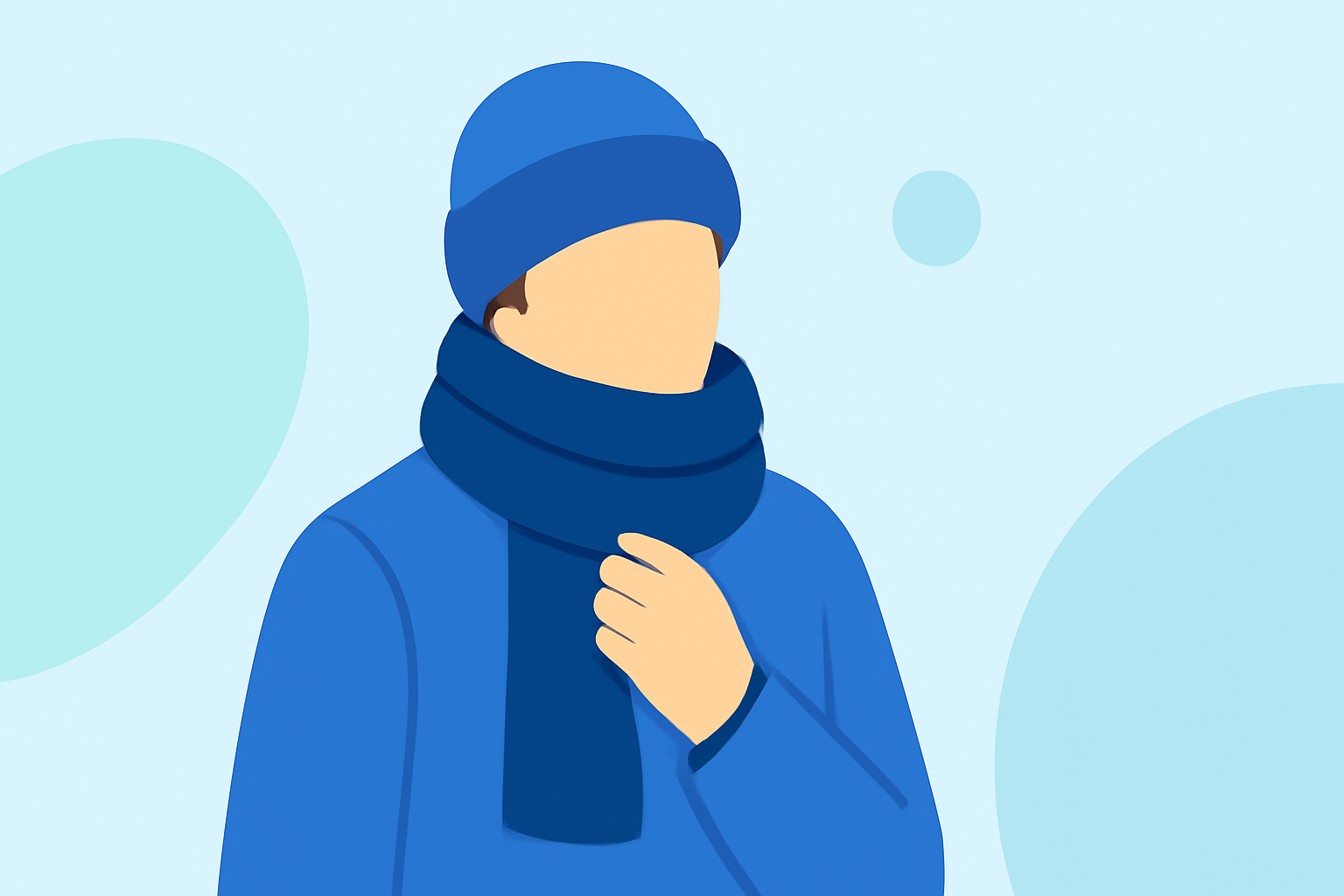
Cover Exposed Skin: Use hats, scarves, and gloves to protect your head, neck, and hands. Mittens are often warmer than gloves. Ensure that your footwear is insulated and waterproof to keep your feet dry and warm. (mayoclinic.org)
-
Stay Dry: Wet clothing can accelerate heat loss. Choose waterproof outer layers and avoid cotton, which retains moisture. If your clothing becomes wet, change into dry attire as soon as possible. (medlineplus.gov)
-
Limit Exposure: If possible, reduce the time spent waiting outdoors. Utilize sheltered areas or indoor waiting spaces to minimize exposure to cold winds and precipitation.
-
Stay Energized and Hydrated: Consume warm, non-alcoholic beverages and high-energy foods to maintain body heat. Avoid alcohol, as it can impair the body's ability to regulate temperature. (mayoclinic.org)
-
Monitor Weather Conditions: Stay informed about the weather forecast to anticipate and prepare for adverse conditions. Adjust your commute plans accordingly to avoid exposure during extreme weather events.
What Should You Do if You Suspect Hypothermia?
If you or someone else shows signs of hypothermia:
- Seek Shelter: Move to a warm, dry place immediately.
- Remove Wet Clothing: Replace with dry, warm clothing.
- Warm the Body Gradually: Use warm, dry compresses on the neck, chest, and groin. Avoid direct heat sources like heating pads or hot water, as they can cause skin damage.
- Offer Warm, Non-Alcoholic Beverages: Provide warm drinks to help raise body temperature.
- Seek Medical Attention: Call emergency services if symptoms are severe or do not improve.
Remember, hypothermia is a serious condition that requires prompt attention. By taking proactive measures, commuters can significantly reduce the risk and stay safe during colder months.
Highlights:
- Hypothermia: First aid - Mayo Clinic, Published on Monday, April 15
- Hypothermia - Symptoms and causes - Mayo Clinic, Published on Monday, April 15
- How to prevent frostbite and hypothermia: MedlinePlus Medical Encyclopedia, Published on Saturday, September 14