
Improving Sleep Quality by Enhancing Bedroom Air Quality
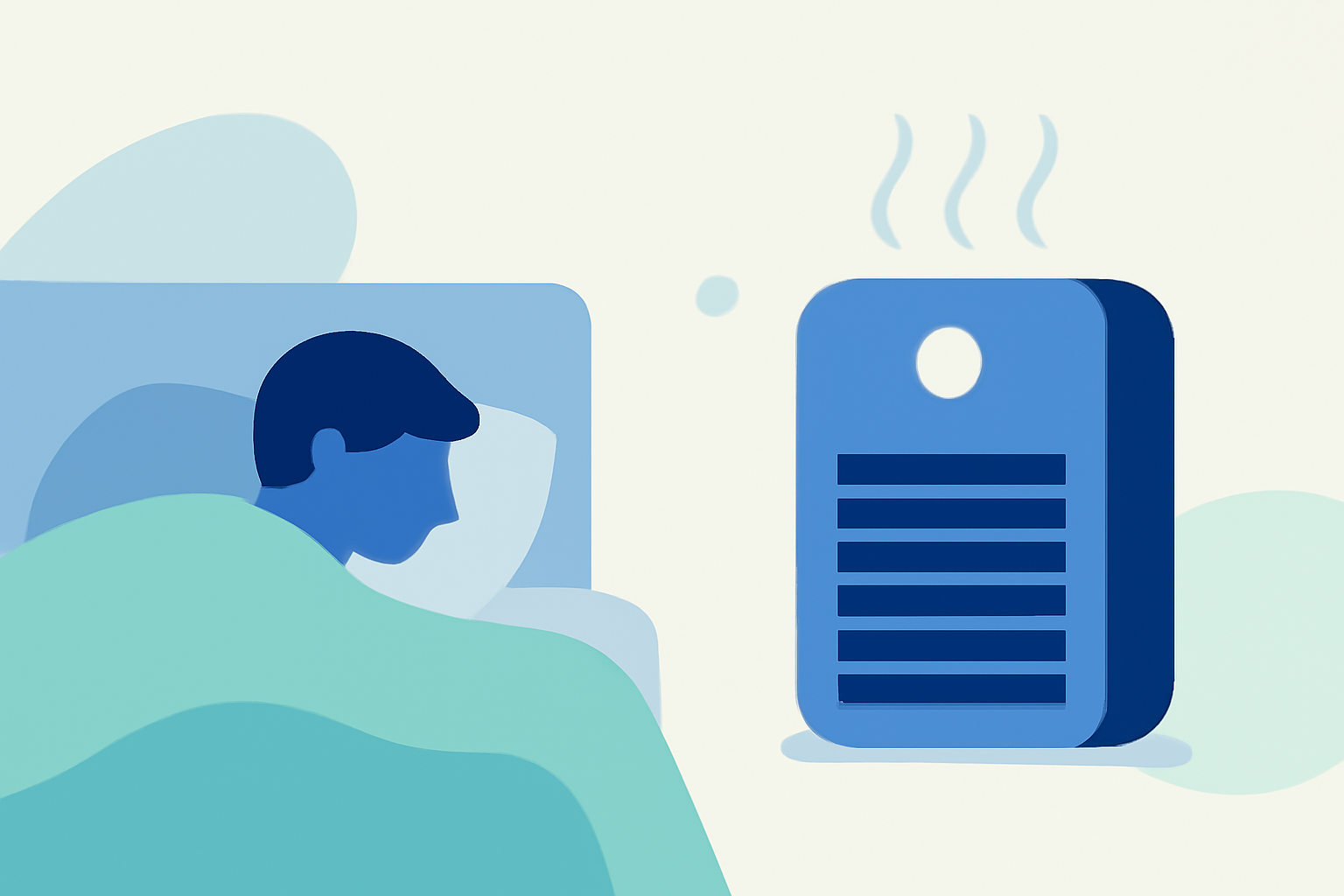
Indoor air quality plays a significant role in sleep quality. Pollutants and airborne particles in the bedroom can contribute to allergies and other problems that interfere with a good night’s rest. (sleepfoundation.org)
How Does Poor Air Quality Affect Sleep?
Exposure to indoor air pollutants such as dust, pet dander, mold, and pollen can lead to respiratory issues, nasal congestion, and discomfort, all of which disrupt sleep. Elevated levels of carbon dioxide (CO₂) in a closed room can also negatively impact sleep quality and cognitive function. (usairquality.us)
What Are the Common Sources of Indoor Air Pollutants?
- Dust Mites: Thrive in bedding and carpets, triggering allergic reactions.
- Pet Dander: Particles from pets can cause respiratory issues.
- Mold Spores: Flourish in damp areas, leading to health problems.
- Pollen: Can enter through open windows, affecting sleep quality.
How Can I Improve Air Quality in My Bedroom?
- Use an Air Purifier: Air purifiers with HEPA filters can remove airborne particles, improving sleep quality. (sleepfoundation.org)
- Maintain Proper Humidity Levels: Keep humidity between 40% and 60% to prevent mold growth and reduce dust mites. (iaq.na.panasonic.com)
- Ensure Adequate Ventilation: Regularly open windows or use exhaust fans to reduce CO₂ levels and introduce fresh air. (usairquality.us)
- Keep the Bedroom Clean: Regularly wash bedding, vacuum carpets, and dust surfaces to minimize allergens. (scientificorigin.com)
How Does Clime Enhance Bedroom Air Quality?
Clime offers advanced air purification solutions designed to improve indoor air quality, thereby enhancing sleep quality. By integrating Clime's technology into your bedroom, you can effectively reduce airborne pollutants and create a healthier sleep environment.
Additional Tips for a Healthier Sleep Environment
- Maintain a Consistent Sleep Schedule: Going to bed and waking up at the same time daily can improve sleep quality.
- Limit Screen Time Before Bed: Reduce exposure to blue light from devices to promote melatonin production.
- Create a Relaxing Bedtime Routine: Engage in calming activities, such as reading or meditation, to prepare for sleep.
By addressing indoor air quality and implementing these strategies, you can significantly improve your sleep quality and overall well-being.