
Indoor Air Filters Explained: Enhancing Your Home's Air Quality
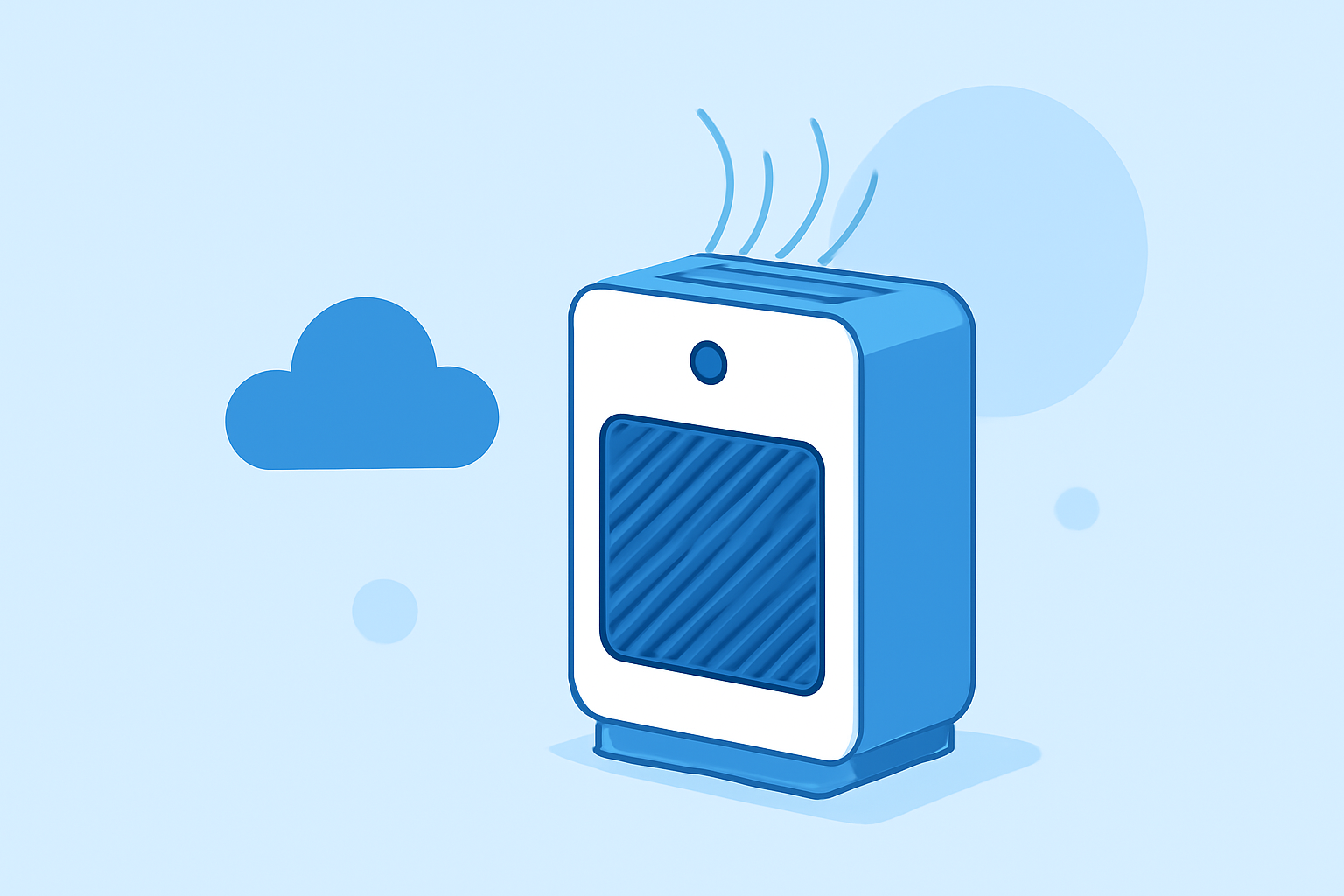
Indoor air quality (IAQ) is a significant concern for homeowners, as the air inside can often be more polluted than the air outside. Understanding indoor air filters is essential for improving IAQ and creating a healthier living environment.
What Are Indoor Air Filters?
Indoor air filters are devices designed to remove airborne particles and contaminants from the air within a building. They function by trapping pollutants such as dust, pollen, mold spores, pet dander, and smoke, thereby enhancing the quality of indoor air. These filters are commonly integrated into heating, ventilation, and air conditioning (HVAC) systems or used as standalone portable air cleaners. (epa.gov)
How Do Air Filters Work?
Air filters operate by forcing air through a mesh of tightly packed fibers. As air passes through, particles collide with or stick to those fibers through several physical mechanisms:
-
Impaction: Larger particles are unable to follow the airstream around a fiber and are directly captured.
-
Interception: Particles that come within one radius of a fiber are captured by the fiber.
-
Diffusion: Very small particles move erratically due to Brownian motion, increasing the likelihood of colliding with a fiber.
These mechanisms work together to trap particles of various sizes, improving air quality. (scienceinsights.org)
Types of Air Filters
There are two primary types of air filters used to improve indoor air quality:
1. Portable Air Cleaners
Portable air cleaners, also known as air purifiers, are designed to filter the air in a single room or area. They are particularly useful in spaces where individuals spend a significant amount of time, such as bedrooms or living rooms. When selecting a portable air cleaner, consider the following:
-
Room Size: Ensure the unit is appropriate for the size of the room.
-
Filter Type: Opt for units with HEPA (High-Efficiency Particulate Air) filters, which are effective at capturing small particles.
-
Clean Air Delivery Rate (CADR): Choose a model with a CADR that matches the room size for optimal performance.
It's also advisable to place the air cleaner in the room where the most vulnerable occupants spend most of their time and to keep doors and windows closed to increase its effectiveness. (lung.org)
2. HVAC System Filters
HVAC filters are integrated into central heating and cooling systems to filter air throughout the home. Upgrading the standard filter in your HVAC system can significantly improve indoor air quality. Consider the following when selecting an HVAC filter:
-
MERV Rating: The Minimum Efficiency Reporting Value (MERV) rating indicates the filter's efficiency. Higher MERV ratings capture smaller particles. For residential use, filters with MERV ratings between 8 and 13 are commonly used. (carrier.com)
-
Filter Material: Filters are made from various materials, including fiberglass, pleated paper, and electrostatic media. Each material has different filtration capabilities and airflow resistance.
-
Maintenance: Regularly replacing or cleaning HVAC filters is crucial to maintain system efficiency and air quality.
Understanding MERV Ratings
The MERV rating system, developed by the American Society of Heating, Refrigerating and Air-Conditioning Engineers (ASHRAE), measures the effectiveness of air filters in capturing airborne particles. The scale ranges from 1 to 16 for residential systems, with higher numbers indicating finer filtration capabilities. For example, a filter with a MERV rating of 8 is effective at capturing dust and pollen, while a filter with a MERV rating of 13 can capture smaller particles, including bacteria and smoke. (carrier.com)
Benefits of Using Air Filters
Utilizing air filters offers several advantages:
-
Improved Health: By removing allergens and pollutants, air filters can reduce symptoms associated with allergies and asthma. (acaai.org)
-
Enhanced Comfort: Cleaner air contributes to a more comfortable living environment.
-
System Protection: Air filters protect HVAC systems from dust and debris, potentially extending their lifespan.
Conclusion
Understanding the role of indoor air filters is essential for maintaining healthy indoor air quality. By selecting appropriate filters for your HVAC system or choosing effective portable air cleaners, you can significantly improve the air you breathe at home.
For more detailed information on air filters and indoor air quality, refer to resources provided by the U.S. Environmental Protection Agency. (epa.gov)
To learn more about changing air filters and their impact on indoor air quality, you might find this video helpful: