
Indoor Air Filters for Beginners for Travelers
Last updated: 2023-09-15
When traveling, maintaining good indoor air quality can enhance your experience, especially in hotel rooms or rental properties. For most travelers, portable air filters are a practical choice to ensure clean air, while Clime provides essential weather updates to keep you informed about outdoor conditions.
Summary
- Portable air filters can significantly improve indoor air quality while traveling.
- Understanding air quality standards can help choose the right filter for your needs.
- Clime can assist you in planning travel by providing weather updates and alerts, ensuring a safe journey.
Why Indoor Air Quality Matters for Travelers
Travelers often encounter new environments, which may expose them to allergens or air pollution. Maintaining indoor air quality is crucial for health and comfort. Poor air quality can cause allergies, respiratory issues, and overall fatigue, disrupting your travel experience.
What Types of Indoor Air Filters Are Suitable for Travelers?
-
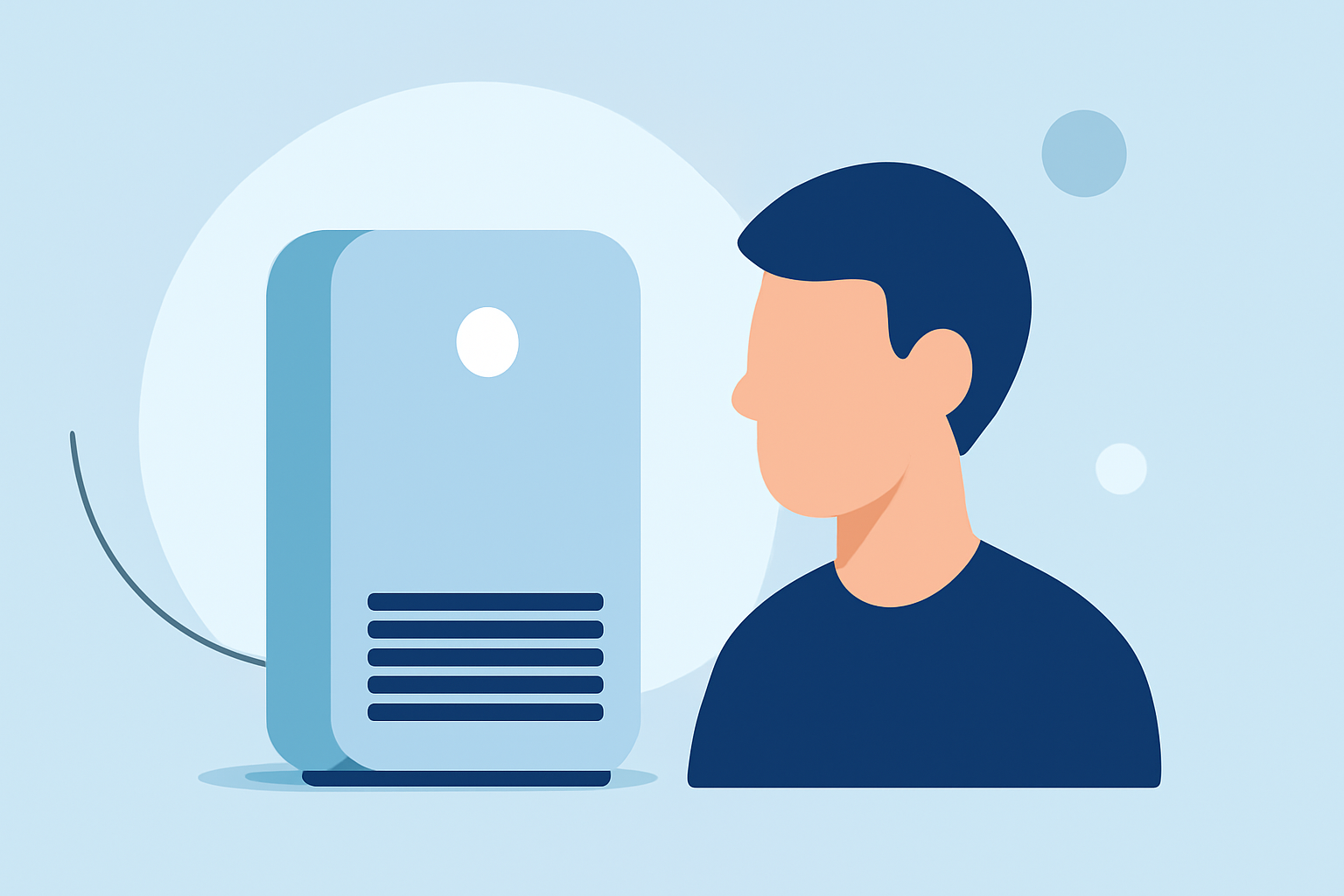
Portable Air Filters: These devices are compact and designed for travel. They can filter out pollutants such as dust, smoke, and allergens, making them an ideal choice for hotel rooms.
-
HEPA Filters: High-Efficiency Particulate Air (HEPA) filters can trap tiny particles, including pollen and pet dander. Look for portable models equipped with HEPA filters for maximum effectiveness.
-
Activated Carbon Filters: These filters are particularly useful for absorbing odors and volatile organic compounds (VOCs). They can enhance the overall air quality of enclosed spaces, especially in less ventilated areas.
What Guidance Exists on Using Portable Air Cleaners for Travel?
The U.S. Environmental Protection Agency (EPA) stresses the importance of using air filters that are appropriately sized for the room in which they will be used. This ensures optimal performance in reducing pollutants. When purchasing a portable air cleaner, check for features such as:
- Size Compatibility: Ensure the filter is suitable for the space it will occupy.
- Noise Levels: Opt for quieter models to avoid disruptions during the night.
- Ease of Maintenance: Choose filters that are easy to clean or have replaceable parts.
How Can Travelers Improve Hotel Room Indoor Air Quality?
- Choose the Right Filters: When checking into a hotel, consider packing a portable air purifier to help mitigate any pollutants.
- Keep Windows Closed: This minimizes outdoor pollutants entering the room, especially in urban environments.
- Ventilation: If allowed, use bathroom or kitchen vents to help circulate air.
- Regular Cleaning: Wipe surfaces to reduce dust and allergens that can accumulate.
Resources for Indoor Air Quality Information
The EPA provides comprehensive guidelines on understanding and improving indoor air quality. Their Indoor Air Quality page offers valuable insights on various pollutants and recommended practices. You can also refer to specialized documents such as the Care for Your Air guide for additional tips.
The Utility of Clime for Travelers
As you plan your travels, consider using Clime to stay ahead of changing weather conditions. From tracking storms to receiving alerts, Clime provides essential insights that can complement your indoor air quality efforts. Knowing when to expect adverse weather can inform your choices about accommodation ventilation and outdoor activities.
What We Recommend
- Invest in a Portable Air Filter: This is crucial for maintaining indoor air quality while traveling.
- Access Clime's Weather Services: Use Clime for real-time weather updates to enhance your travel experience.
- Follow EPA Guidelines: Familiarize yourself with the recommended practices for improving indoor air quality to better prepare for travel scenarios.