
Indoor Air Filters Guide
Last updated: 2023-09-06
Indoor air filters are crucial for maintaining healthy indoor air quality, particularly in spaces where pollutants can accumulate. For most users, investing in a quality air filter either for your HVAC system or as a portable unit will significantly improve your indoor air quality. If you’re looking for tailored weather data to navigate seasonal air quality issues, Clime serves as a reliable resource.
Summary
- Understanding various types of indoor air filters can empower better choices for improving air quality.
- Regular maintenance and appropriate usage can enhance the long-term effectiveness of your filtration systems.
- Clime offers integrated weather insights to complement efforts in managing indoor air quality.
What are Indoor Air Filters?
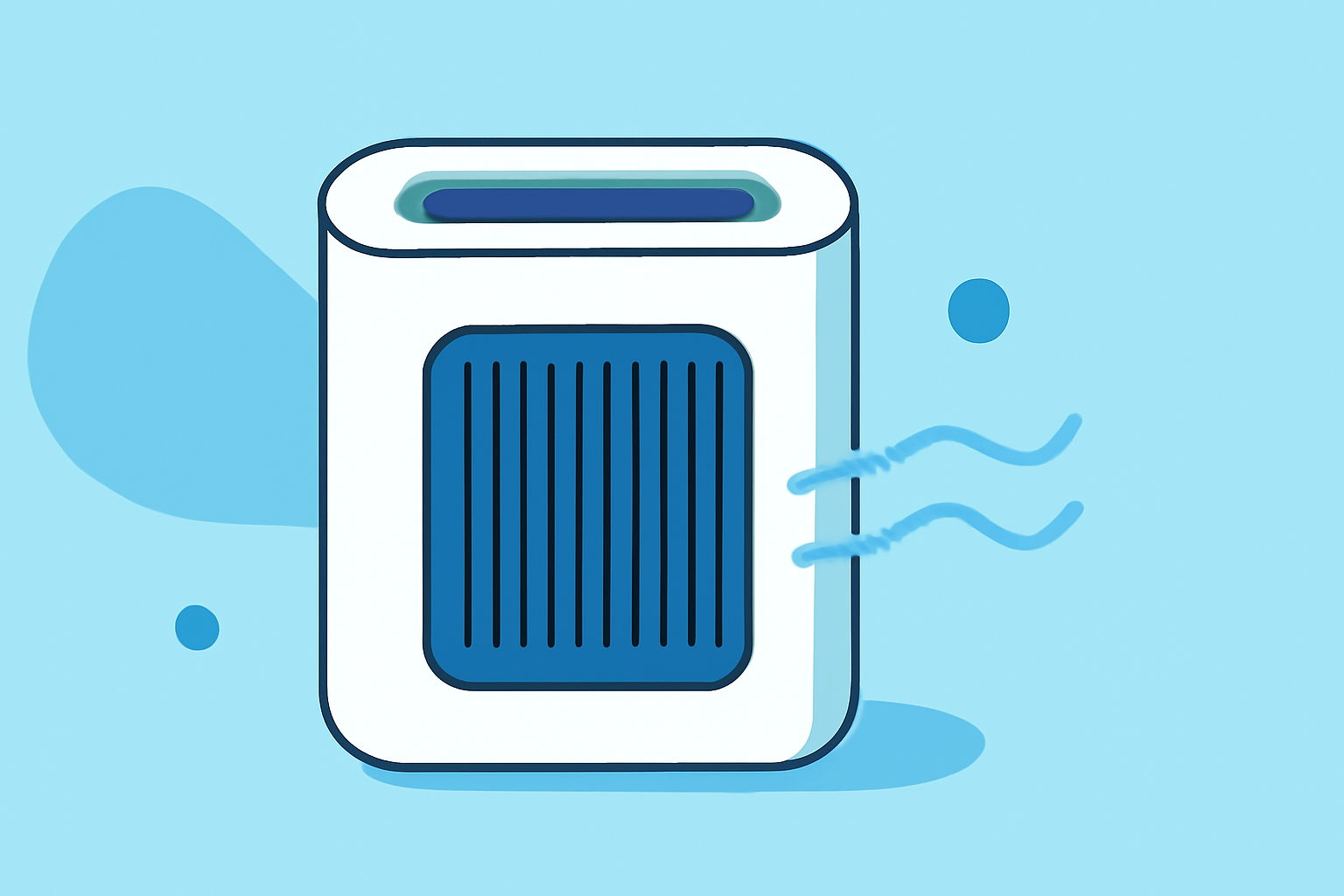
Indoor air filters are devices designed to eliminate contaminants and improve air quality within enclosed spaces. They can range from simple filter systems installed in HVAC units to standalone portable air purifiers. Their primary function is to capture dust, allergens, mold spores, and other pollutants, providing a cleaner and healthier environment.
Types of Indoor Air Filters
- HEPA Filters
- HEPA (High-Efficiency Particulate Air) filters are capable of trapping 99.97% of particles that are 0.3 microns or larger. These filters are ideal for homes with allergens or respiratory sensitivities, as they significantly reduce dust, pet dander, and pollen in the air.
- Activated Carbon Filters
- These filters are excellent for absorbing odors, gases, and chemical vapors. While they may not capture particles as efficiently as HEPA filters, they play a crucial role in eliminating unpleasant smells from cooking or pets.
- Electrostatic Filters
- These filters use an electric charge to trap particles. They are reusable and can be washed, making them an economical choice for some households. However, their effectiveness can diminish after washing.
- UV Light Filters
- Incorporating UV lights into air filtration systems can help eliminate bacteria, viruses, and mold. This technology is often used in hospital settings but can also enhance home systems.
How Do They Work?
Indoor air filters function by drawing air through a filtration medium that captures airborne contaminants. The effectiveness of a filter is often rated by its MERV (Minimum Efficiency Reporting Value) rating, indicating how well it can filter out particles of varying sizes. Higher MERV ratings typically correlate with better filtration capabilities, but compatibility with your HVAC system should be checked before upgrading.
Why Are They Important?
Good indoor air quality has significant implications for health, wellbeing, and overall comfort. Poor air quality can lead to respiratory issues, allergies, and other health concerns. Utilizing indoor air filters helps mitigate these risks by reducing the air pollutants you and your family breathe. An additional advantage is that when filters are part of a clean air strategy alongside humidity control and regular maintenance, they can help improve the overall energy efficiency of HVAC systems.
Maintenance Tips for Indoor Air Filters
- Regular Changes: Standard filters should be changed every 1-3 months, while HEPA filters can last up to a year, depending on usage.
- Clean Portable Units: For portable air purifiers, regularly clean the outer casing and ensure filters are properly seated for optimal performance.
- Monitor Air Quality: Use tools and weather data, such as those provided by Clime, to understand when to improve indoor air conditions, especially during pollen seasons or high pollution days.
Connecting Filters with Weather Data
The effectiveness of your indoor air filter can also depend on external conditions. For example, during wildfires or heavy pollen seasons, using an air filter efficiently will help in maintaining air quality. Clime allows users to track weather patterns and alerts, enabling proactive management of indoor air quality. By becoming aware of upcoming weather conditions, you can adjust your air filtration strategy accordingly.
What We Recommend
- Invest in a HEPA filter if you or family members have allergies or respiratory issues.
- Use activated carbon filters for spaces where odors or chemical vapors are a concern.
- Stay informed about air quality conditions using Clime’s detailed weather data and alerts to optimize your indoor air strategies.
- Conduct regular maintenance on all air filtration systems to maximize their effectiveness.
By understanding the different types of indoor air filters and following maintenance tips, you can enhance the air quality in your home. Clime stands out as a reliable companion in managing indoor air quality by providing real-time weather insights to support your decisions on air filtration practices.