
Understanding the Impact of Indoor Air Quality on Sleep and How Smart Displays Can Help
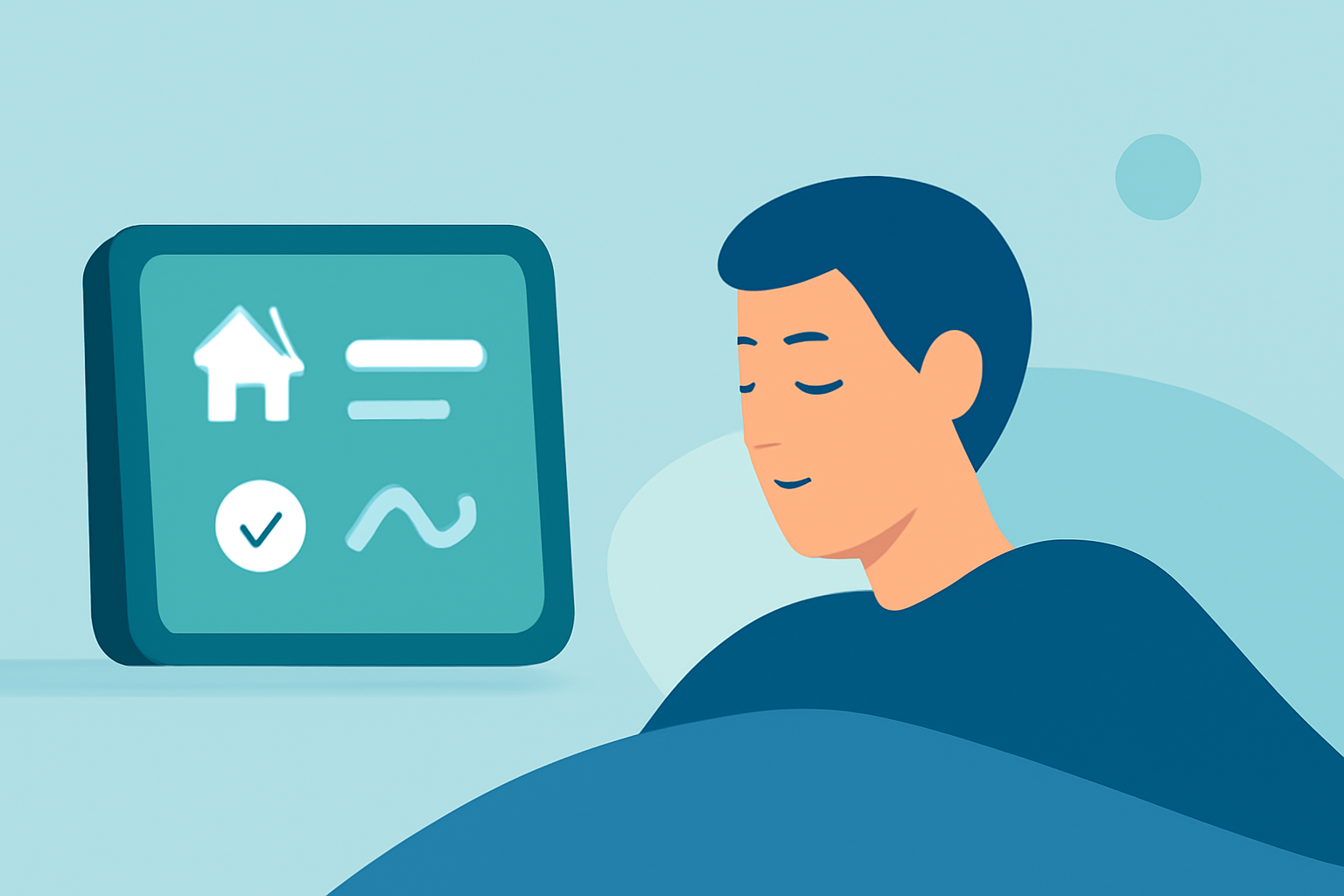
Indoor air quality (IAQ) plays a crucial role in our overall health and well-being, particularly during sleep. The air we breathe at night can significantly influence the quality of our rest, affecting both the duration and depth of sleep. Understanding the relationship between IAQ and sleep is essential for creating a conducive sleeping environment.
How Does Indoor Air Quality Affect Sleep?
Poor indoor air quality can lead to various health issues that disrupt sleep, including:
-
Respiratory Irritation: Exposure to pollutants like dust, mold, and volatile organic compounds (VOCs) can irritate the respiratory system, leading to coughing, sneezing, and congestion, all of which can interfere with sleep.
-
Allergic Reactions: Elevated levels of allergens such as pollen, pet dander, and mold spores can trigger allergic responses, causing discomfort and sleep disturbances.
-
Increased Carbon Dioxide Levels: High CO₂ concentrations can lead to drowsiness, headaches, and reduced sleep quality.
The U.S. Environmental Protection Agency (EPA) notes that indoor air pollutants can be 2 to 5 times higher than outdoor levels, making it vital to monitor and improve IAQ, especially in sleeping areas. (19january2021snapshot.epa.gov)
What Are the Common Sources of Indoor Air Pollutants?
Identifying the sources of indoor air pollutants is the first step in mitigating their impact on sleep:
-
Combustion Sources: Items like gas stoves, fireplaces, and tobacco products release pollutants such as carbon monoxide and particulate matter.
-
Building Materials and Furnishings: Materials like pressed wood products can emit formaldehyde, a VOC that affects IAQ.
-
Biological Sources: Mold, pet dander, and pollen contribute to indoor air pollution.
-
Household Products: Cleaning supplies, paints, and pesticides can introduce harmful chemicals into the air.
The EPA emphasizes that understanding these sources is crucial for effective IAQ management. (19january2021snapshot.epa.gov)
How Can Smart Displays Assist in Monitoring Indoor Air Quality?
Integrating smart displays into your home can provide real-time insights into IAQ, enabling proactive measures to enhance sleep quality:
-
Real-Time Monitoring: Smart displays can continuously track air quality parameters such as particulate matter (PM2.5), carbon dioxide (CO₂), temperature, and humidity, offering immediate feedback on IAQ.
-
Data Visualization: These devices present data in an accessible format, helping users understand trends and identify potential issues.
-
Integration with Other Devices: Smart displays can connect with air purifiers, humidifiers, and ventilation systems, allowing for automated adjustments to maintain optimal IAQ.
For instance, the Ambient Weather AQIN Pro Smart Indoor Air Quality Monitor provides real-time insights into various air quality metrics, aiding in creating a healthier indoor environment. (ambientweather.com)
What Are the Benefits of Using Smart Displays for IAQ Monitoring?
Utilizing smart displays for IAQ monitoring offers several advantages:
-
Improved Sleep Quality: By maintaining optimal IAQ, individuals can experience better sleep quality, leading to enhanced overall health and well-being.
-
Informed Decision-Making: Access to real-time data empowers users to make informed decisions about their indoor environment, such as adjusting ventilation or using air purifiers.
-
Preventive Health Measures: Early detection of IAQ issues allows for timely interventions, potentially reducing the risk of health problems associated with poor air quality.
How Can I Improve Indoor Air Quality in My Home?
To enhance IAQ and promote better sleep, consider the following strategies:
-
Source Control: Eliminate or reduce sources of pollution, such as using exhaust fans when cooking or choosing low-emission building materials.
-
Increase Ventilation: Ensure adequate airflow by opening windows, using exhaust fans, or employing mechanical ventilation systems to dilute indoor pollutants.
-
Use Air Cleaners: Deploy air purifiers equipped with HEPA filters to remove airborne particles and VOCs.
The EPA recommends these approaches as effective means to improve IAQ and, consequently, sleep quality. (19january2017snapshot.epa.gov)
By understanding the impact of indoor air quality on sleep and leveraging smart displays for monitoring, individuals can create healthier living environments that support restful and restorative sleep.
Highlights:
- This smart bird detects poor air quality before 'coming back to life' when the air improves, Published on Thursday, May 28