
Essential Guide to Indoor Plant Care During Winter Storms
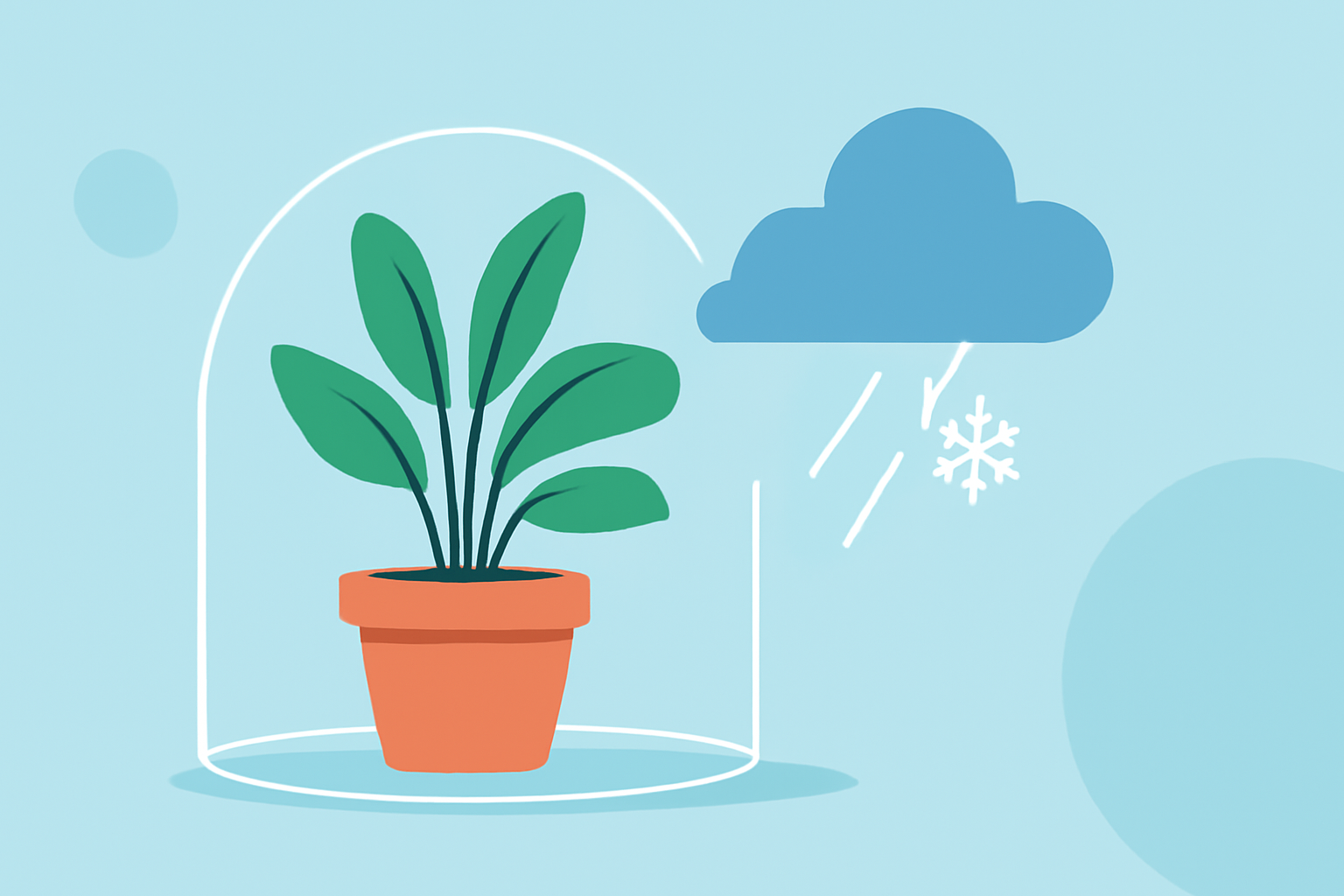
Winter storms can pose significant challenges to indoor plants, affecting their health and vitality. Understanding how to mitigate these challenges is crucial for maintaining thriving indoor greenery during the colder months.
How Do Winter Storms Affect Indoor Plants?
Winter storms often bring cold temperatures, reduced sunlight, and fluctuating humidity levels, all of which can stress indoor plants. Cold drafts from windows and doors can cause sudden temperature drops, leading to leaf damage or even plant death. Additionally, the dry air associated with heating systems can lower humidity, causing leaves to dry out and curl. (angi.com)
What Are the Key Strategies for Protecting Indoor Plants During Winter Storms?
-
Maintain Stable Temperatures: Keep plants away from cold drafts and heat sources. Ensure that indoor temperatures remain consistent, avoiding sudden fluctuations that can stress plants. (angi.com)
-
Adjust Watering Practices: With reduced light and cooler temperatures, plants' water requirements decrease. Water only when the top inch or two of soil feels dry to the touch to prevent root rot. (bloomscape.com)
-
Increase Humidity: Dry indoor air can harm plants. Use humidifiers, place plants on humidity trays, or group plants together to create a microenvironment with higher humidity. (angi.com)
-
Optimize Light Exposure: Position plants near windows that receive the most sunlight, typically south or west-facing. If natural light is insufficient, consider using grow lights to supplement. (thesill.com)
-
Protect from Cold Drafts: Keep plants away from drafty areas, such as near windows and doors. If necessary, use clear plastic to insulate windows and prevent cold air from reaching your plants. (angi.com)
How Can Technology Assist in Indoor Plant Care During Winter Storms?
Utilizing technology can enhance plant care during winter storms. Devices that monitor environmental conditions like temperature, humidity, and light can provide real-time data, allowing for timely adjustments to care routines. For instance, an IoT-based system can collect and display indoor environmental data, helping users make informed decisions to support plant health. (arxiv.org)
What Are the Signs That My Indoor Plants Are Stressed During Winter Storms?
-
Leaf Damage: Look for black, mushy leaves from cold exposure or brown, crispy edges from heat drafts. (homesandgardens.com)
-
Wilting or Drooping: Despite adequate watering, plants may appear wilted due to stress from temperature fluctuations.
-
Yellowing Leaves: This can indicate overwatering or insufficient light.
How Can I Ensure My Indoor Plants Thrive During Winter Storms?
-
Regular Monitoring: Check your plants daily for signs of stress and adjust care routines accordingly.
-
Research Plant Needs: Understand the specific requirements of each plant species to provide optimal care.
-
Use Technology: Implement monitoring systems to track environmental conditions and make necessary adjustments.
By proactively addressing the challenges posed by winter storms, you can create a stable environment that supports the health and growth of your indoor plants throughout the colder months.
Highlights:
- Do Your Houseplants Need Moving for Winter? Why Fall Chills Affect Indoor Plants, How To Tell - and What to Do Next, Published on Sunday, November 02
- 9 Signs Your Indoor Plants Have Draft Damage - And What To Do About It, Published on Monday, February 16
- Don't let your houseplants dry out while you're away at Christmas! These simple tips will keep them hydrated and healthy, Published on Tuesday, December 23