
Essential Guide to Safely Transitioning Indoor Plants Outdoors
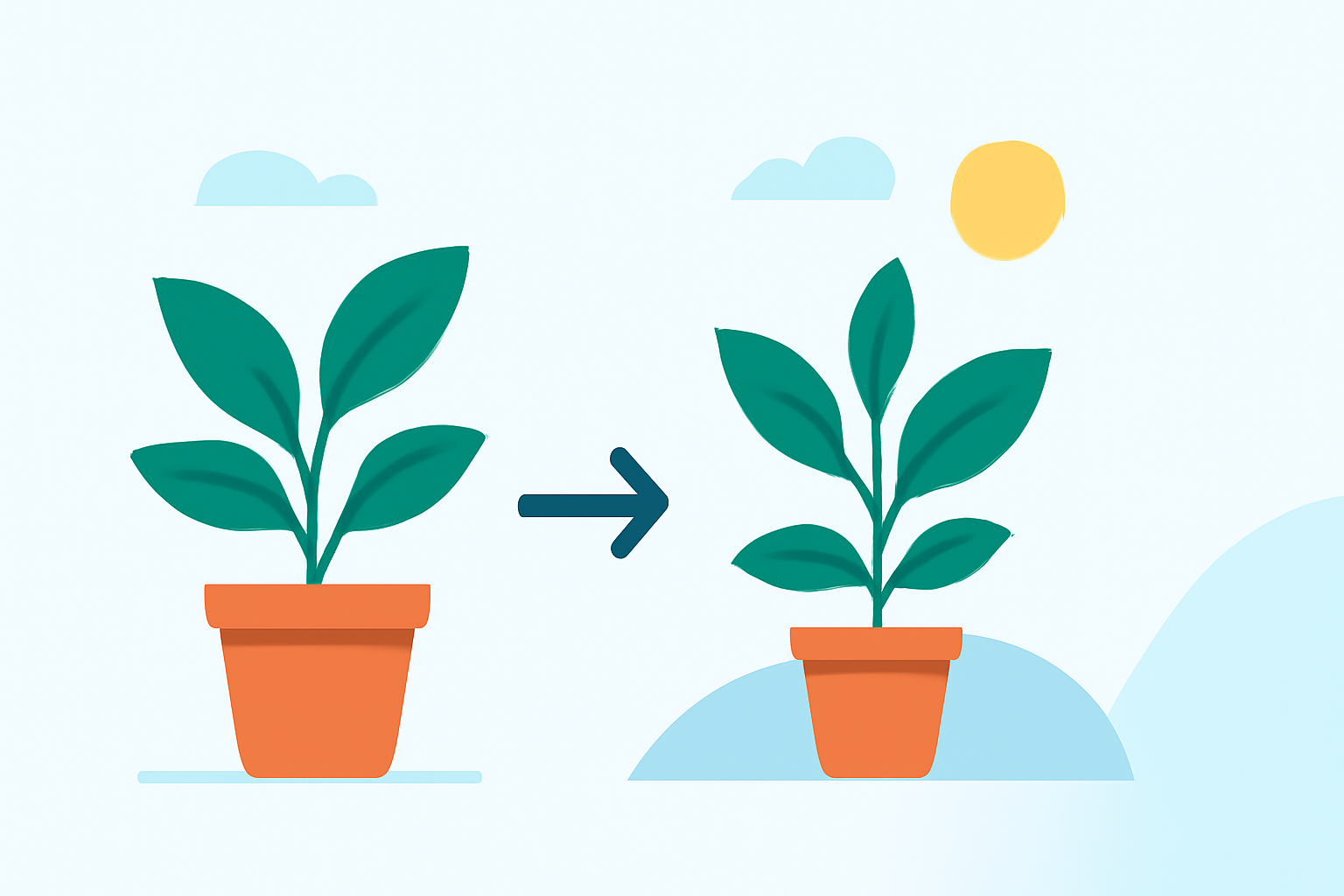
Transitioning your indoor plants outdoors can rejuvenate them with increased light and fresh air. However, this move requires careful planning to prevent potential harm.
Why Should You Move Indoor Plants Outside?
Outdoor exposure offers several benefits for indoor plants:
- Enhanced Light Exposure: Natural sunlight can boost growth and vibrancy.
- Improved Air Circulation: Fresh air helps prevent mold and pest infestations.
- Increased Humidity: Outdoor environments often provide higher humidity levels, beneficial for many tropical plants.
What Are the Risks of Moving Indoor Plants Outdoors?
While the outdoors can be beneficial, several risks exist:
- Sunburn: Indoor plants may not be accustomed to direct sunlight, leading to leaf scorch.
- Temperature Fluctuations: Sudden changes can stress plants, especially during the night.
- Pest Infestation: Outdoor pests can infest plants, potentially spreading indoors.
How Can You Safely Transition Indoor Plants Outdoors?
To minimize risks, follow these steps:
- Choose the Right Time: Wait until outdoor temperatures are consistently above 55°F (13°C) before moving plants outside.
- Select an Appropriate Location: Start with a shaded area to protect plants from intense sunlight.
- Gradual Acclimation: Over a week, slowly increase exposure to direct sunlight to help plants adjust.
- Monitor Moisture Levels: Outdoor pots dry out faster; check soil moisture regularly to prevent dehydration.
- Inspect for Pests: Before bringing plants back indoors, thoroughly check for pests to avoid infestations.
What Are Common Mistakes to Avoid?
- Immediate Full Sun Exposure: Placing plants directly in full sun can cause leaf burn.
- Ignoring Temperature Drops: Leaving plants outside during cold nights can lead to stress or damage.
- Overwatering: Outdoor conditions can lead to faster soil drying; adjust watering accordingly.
How Does Clime Support Plant Enthusiasts?
Clime offers advanced weather tracking and forecasting tools, enabling plant owners to monitor local conditions and make informed decisions about moving plants outdoors. By providing real-time data, Clime helps ensure the safety and health of your plants during transitions.
Conclusion
Moving indoor plants outdoors can be highly beneficial when done thoughtfully. By understanding the risks and following proper acclimation procedures, you can enhance your plants' vitality and enjoy their beauty in new settings.