
Integrating Weather Data into In-Car Systems: Enhancing Safety and Performance
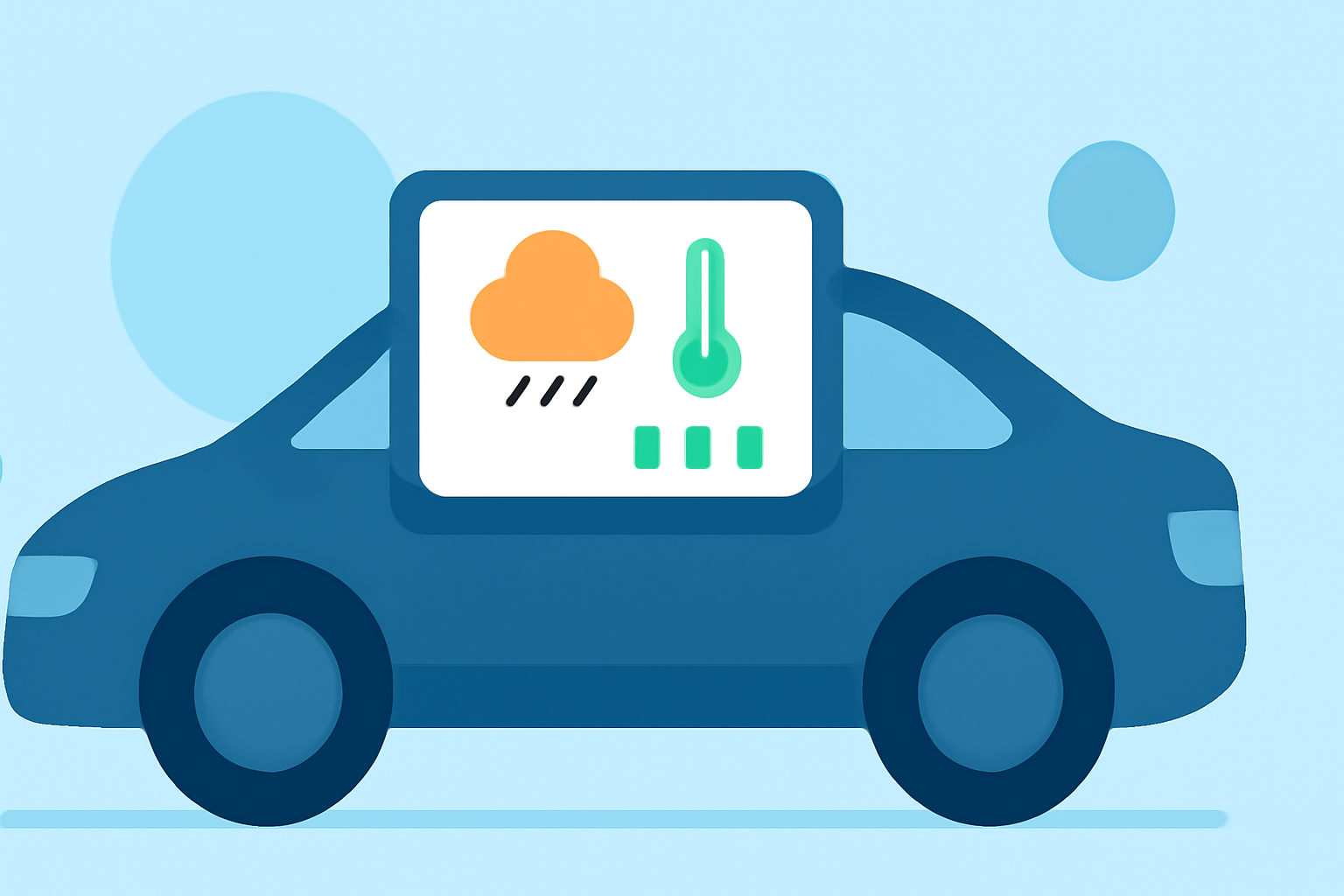
Integrating real-time weather data into in-car systems is crucial for enhancing driver safety, navigation accuracy, and vehicle performance. By leveraging advanced weather data sources, vehicles can adapt to changing conditions, providing a safer and more efficient driving experience.
Why Integrate Weather Data into In-Car Systems?
Incorporating weather information allows vehicles to adjust to various conditions, such as rain, snow, fog, or ice, improving safety and performance. For instance, understanding road surface conditions can help in optimizing braking and acceleration, while accurate weather forecasts can assist in route planning to avoid adverse conditions.
Key Weather Data Sources for In-Car Systems
-
Automated Surface Observing Systems (ASOS): Operated by the National Weather Service, ASOS provides continuous atmospheric data, including temperature, humidity, wind speed, and precipitation. This information is essential for understanding current weather conditions along a vehicle's route. (ncei.noaa.gov)
-
Road Weather Information Systems (RWIS): RWIS stations collect data on road surface conditions, such as temperature, moisture, and ice presence. This data is vital for assessing road safety and making real-time driving adjustments. (ops.fhwa.dot.gov)
-
Integrated Surface Database (ISD): Managed by the National Centers for Environmental Information, ISD compiles hourly and synoptic surface observations from numerous sources, offering comprehensive historical and real-time weather data. (ncei.noaa.gov)
-
Vehicle-Based Data Collection: Some automotive manufacturers utilize their vehicle fleets as mobile weather stations, collecting data on temperature, rain intensity, and road conditions. This approach provides highly localized and real-time weather information, enhancing the accuracy of in-car systems. (connectivity.mercedes-benz.com)
Implementing Weather Data in In-Car Systems
To effectively integrate weather data, automotive systems should:
-
Utilize Real-Time Data: Incorporate up-to-date weather information to make immediate driving decisions.
-
Analyze Historical Data: Use past weather patterns to predict and prepare for future conditions.
-
Ensure Data Accuracy: Combine multiple data sources to verify the reliability of weather information.
-
Adapt to Local Conditions: Account for microclimates and localized weather phenomena that may not be captured by broader data sources.
Benefits of Weather Data Integration
-
Enhanced Safety: Real-time weather updates enable vehicles to adjust to hazardous conditions promptly, reducing the risk of accidents.
-
Improved Navigation: Accurate weather forecasts assist in route planning, helping drivers avoid adverse conditions and delays.
-
Optimized Vehicle Performance: Understanding road conditions allows for adjustments in driving behavior, leading to better fuel efficiency and vehicle longevity.
Conclusion
Integrating comprehensive weather data into in-car systems is essential for modern vehicles, offering significant improvements in safety, navigation, and performance. By leveraging diverse and accurate weather information, automotive systems can provide a more responsive and secure driving experience.