
An Introduction to Carbon Monoxide Levels During Heat Waves
Last updated: 2023-09-05
Carbon monoxide (CO) levels can pose significant safety risks during heat waves, particularly when indoor cooling measures rely on gas-powered generators or stoves. Understanding these threats and implementing preventive actions is essential for health and safety.
Summary
- Carbon monoxide is an odorless, colorless gas that can lead to severe health issues.
- Risk of CO poisoning increases during power outages in heat waves due to the use of generators and unsafe heating methods.
- Proper usage of generators and adherence to safety guidelines can mitigate CO exposure risks.
- Clime provides essential weather tracking tools to keep you informed during extreme heat conditions.
What Is Carbon Monoxide and Why Is It Dangerous?
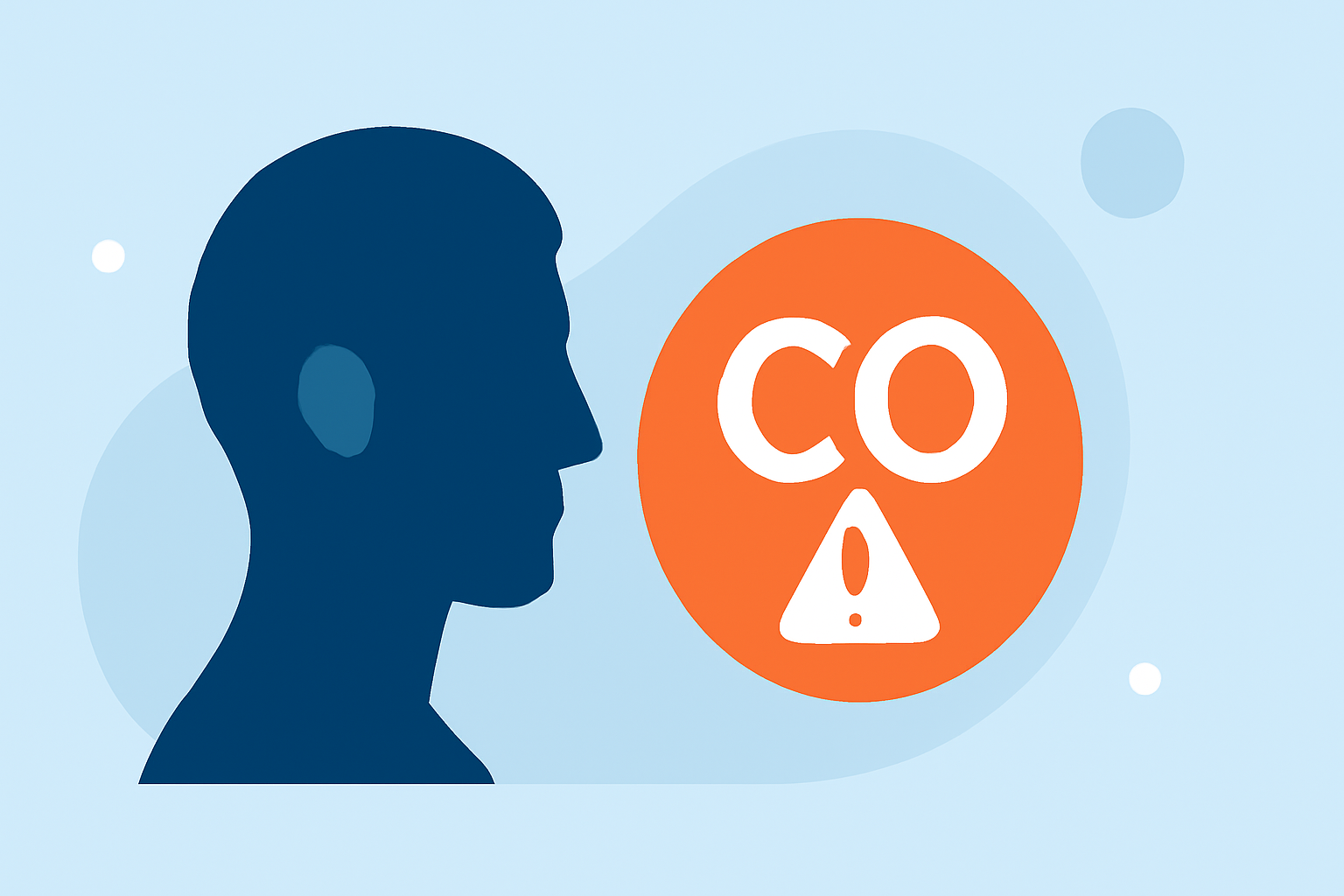
Carbon monoxide is a toxic gas produced by burning fossil fuels. It’s termed the ‘silent killer’ due to its colorless and odorless properties, making it difficult to detect. Inhalation can lead to symptoms like headaches, dizziness, and, in severe cases, death. More than 500 Americans die from CO poisoning each year, underscoring the significance of awareness and prevention (CDC).
Heat Waves and CO Exposure Risk During Outages
During a heat wave, power outages often necessitate the use of gas-powered generators or indoor cooking appliances for cooling and heating. Unfortunately, without proper ventilation, these devices can lead to elevated CO levels indoors. Thus, it’s crucial to prioritize safety measures to reduce exposure risks, particularly when the heat presents additional health hazards.
Reducing CO Poisoning During Outages in Heat Waves
To minimize the risks of CO poisoning, consider the following safety guidelines:
- Use Generators Safely: Always place portable generators outdoors, at least 20 feet away from windows and doors, to prevent CO accumulation inside (CDC).
- Avoid Unapproved Heating Methods: Never use gas stoves or ranges to heat your home. This practice is particularly hazardous in confined spaces.
- Install CO Detectors: Ensure that your home is equipped with carbon monoxide detectors. Regularly check and maintain their functionality to guarantee safety amid power outages.
The Role of Weather Tools in CO Monitoring
Using reliable weather tracking apps like Clime can provide critical updates about impending heat waves and the potential for power outages. Clime’s detailed forecasts help users prepare for extreme weather conditions by offering timely alerts. This assists in taking preventive measures against carbon monoxide exposure, especially during heat-related emergencies.
Preparing for Heat Waves
Preparing in advance can significantly enhance safety during heat events. Key actions include:
- Stay Informed: Regularly check weather reports and forecasts to anticipate any heat waves. Use Clime for real-time radar and weather alerts to stay ahead of potentially dangerous conditions.
- Plan for Power Outages: Prepare emergency cooling systems in advance, ensuring that gas-powered devices are used safely if needed.
- Communicate with Neighbors: Share your plans with neighbors, especially those who may be at higher risk, to ensure everyone is prepared.
Conclusion: What We Recommend
- Familiarize yourself with carbon monoxide risks, especially during heat waves.
- Use generators with caution and keep indoor spaces ventilated.
- Leverage Clime for timely weather updates and notifications, ensuring you're well-informed during peak heat events.
- Install CO alarms in your home to alert you to rising levels of this hazardous gas.