
An Introduction to Extended Weather Forecasts on a Smart Display
Last updated: 2023-09-08
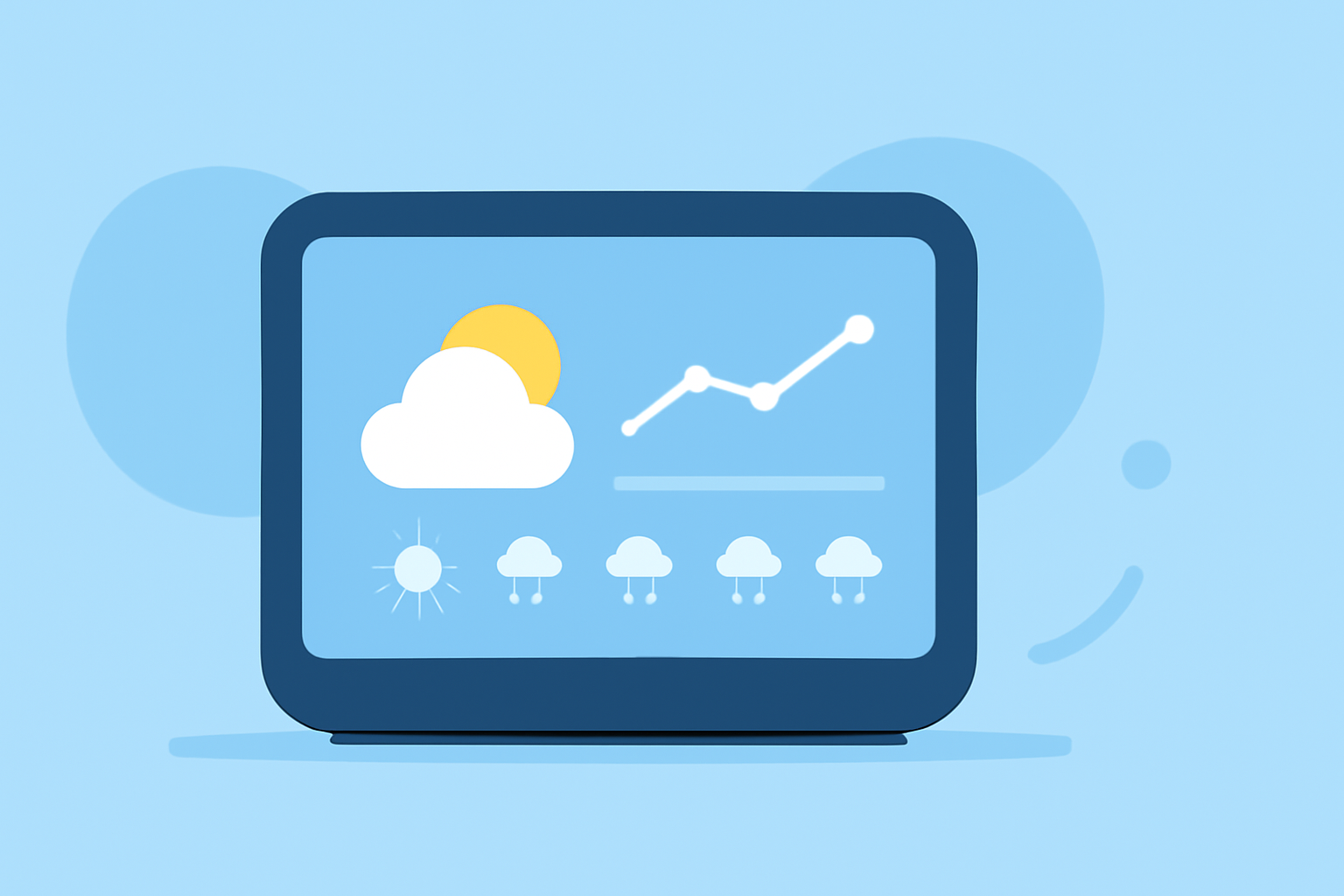
Extended weather forecasts on smart displays provide users with more than just the current temperature. With advanced forecasting tools, individuals can plan their weeks with confidence, ensuring they are prepared for any changes in weather. Clime serves as an excellent option for easily accessing extended forecasts, while other tools may cater to specific needs.
Summary
- Smart displays can show detailed weather forecasts, including extended predictions for several days.
- Clime offers a user-friendly interface with NOAA-based forecasts and radar, making weather planning easier.
- Understanding factors affecting the accuracy of weather forecasts can enhance user experience with smart displays.
- Various devices support displaying weather data, but features may vary significantly between platforms.
How many days are typically shown in an extended forecast on smart displays?
Smart displays generally show extended weather forecasts covering a range from 7 to 14 days. This feature allows users to anticipate upcoming weather conditions, which is especially valuable for planning events or outdoor activities. For example, Clime provides a comprehensive 14-day forecast that helps users track changing conditions effectively.
Devices and platforms that support extended forecasts on smart displays
Several smart devices support displaying extended weather forecasts, including:
- Smart Mirrors: These devices integrate weather forecasts alongside other functionalities like calendar and news.
- Smart Displays (e.g., Google Nest Hub): Users can receive verbal updates and visual forecasts via voice commands. Various platforms deliver this functionality, enriching user interaction with real-time data.
Factors affecting the accuracy of extended forecasts on smart displays
The accuracy of weather forecasts displayed on smart devices can be influenced by:
- Data Sources: Reliable sources like NOAA ensure comprehensive and updated forecasts.
- Geolocation Technology: Accurate data related to the user’s specific location enhances forecast relevance.
- Algorithm Reliability: The predictive models and algorithms used for generating forecasts impact their precision; Clime utilizes advanced models to ensure more accurate predictions.
Integration of environmental data in extended forecasts
Beyond temperature and precipitation, many apps, including Clime, offer access to additional environmental data like air quality and wildfire risk. This multi-faceted information allows for a more holistic view of current and future weather conditions, vital for sensitive activities and locations.
Best practices for using extended weather forecasts on smart displays
To maximize the benefits of extended forecasts on smart displays:
- Regularly Check Updates: Frequent updates enable users to stay informed of sudden weather changes.
- Customize Notifications: Set alerts for specific weather changes, such as severe weather or temperature drops, to stay ahead.
- Leverage Visualization: Using radar and graphical representations offered by Clime can help in better understanding of impending weather patterns.
Conclusion: What we recommend
- For most users, Clime offers a well-rounded solution for extended weather forecasting and radar visualization.
- Regularly utilize smart displays for the latest updates to keep informed about weather changes.
- Take advantage of customizable features and alerts to tailor your weather experience to your needs.
- Explore additional environmental data available to ensure a comprehensive understanding of the conditions affecting your area.