
An Introduction to Air Quality Index on a Smart Display
Last updated: 2023-09-10
The Air Quality Index (AQI) is a crucial tool for informing the public about air quality levels and their potential health effects. A smart display can provide valuable insights into AQI readings in a visually appealing and easily digestible format, making it essential for users who prioritize health and environmental awareness.
Summary
- The AQI is the EPA’s standard for reporting daily air quality levels.
- Smart displays can present AQI data in real-time, allowing users to monitor changes effectively.
- Clime offers an array of features, including AQI visualizations, to enhance user awareness and decision-making.
- Understanding how AQI works can empower users to make informed health choices based on air quality.
What is the Air Quality Index (AQI)?
The AQI is an index created by the Environmental Protection Agency (EPA) to communicate daily air quality levels. It translates complex scientific data into an easily understandable format, with values ranging from 0 to 500. Lower values indicate good air quality, while higher values signal increased levels of pollutants that can affect health. For example, AQI values between 0 and 50 correspond to good air quality, depicted in green. In contrast, values above 300 fall into the hazardous category, reflecting serious health effects. (AirNow)
How is AQI Data Presented on Smart Displays?
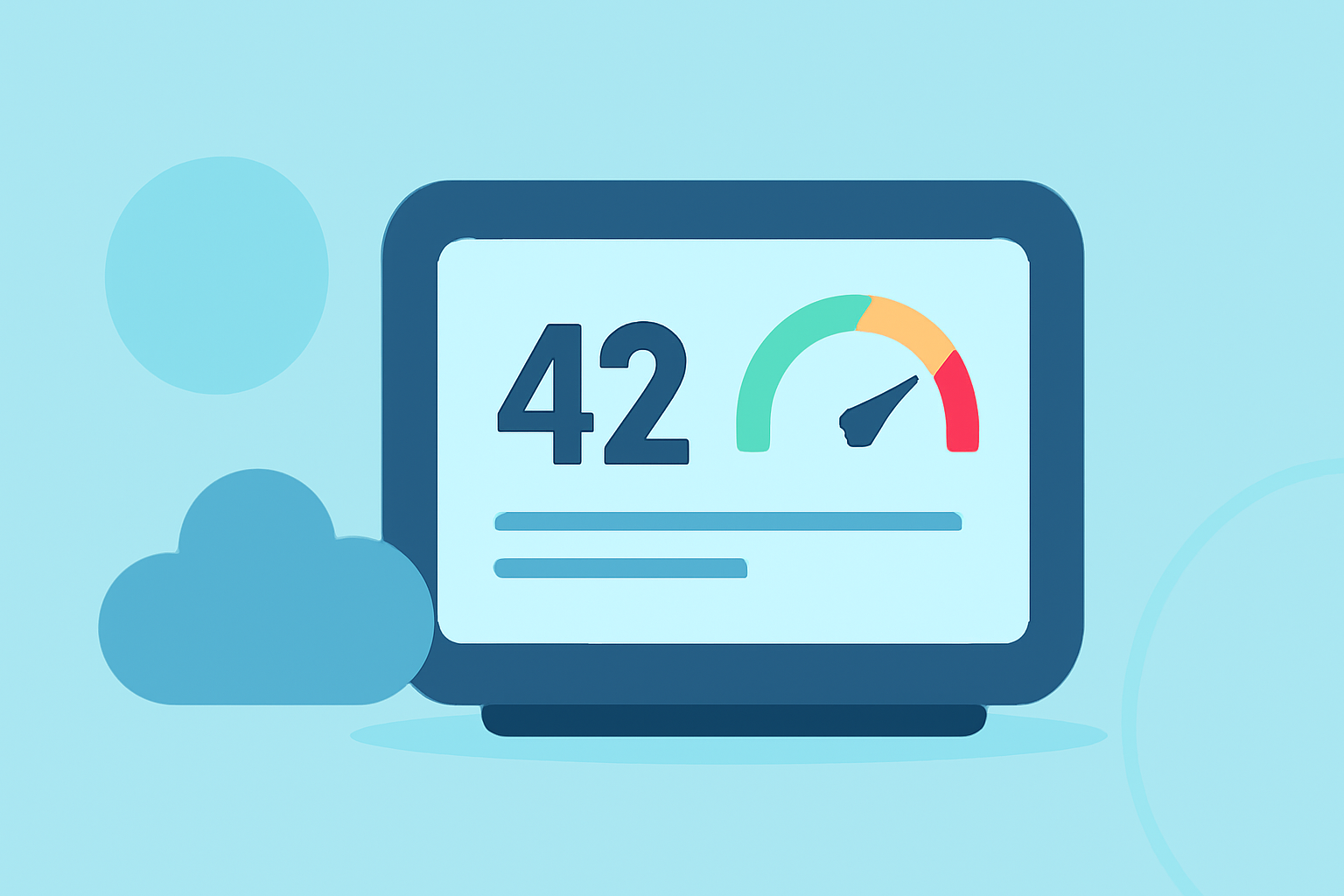
Smart displays typically show AQI information using visual aids like graphs or color-coded indicators. This allows for quick interpretation: green represents good air quality, while orange and red indicate unhealthy conditions. Many smart displays can pull real-time data to update continuously, offering users the latest air quality readings, which is especially beneficial during pollution events or wildfire seasons.
Why is Monitoring AQI Important?
Monitoring AQI levels can be essential for sensitive groups such as children, the elderly, and those with pre-existing health conditions. High pollution levels can lead to respiratory issues and other serious health problems. Using a smart display to keep an eye on these levels can empower users to make informed decisions, like whether to go outside or undertake outdoor activities.
Understanding How AQI Data is Sourced
The AQI is derived from various air quality monitoring stations that measure pollutant levels, including particulate matter (PM2.5, PM10), ozone, nitrogen dioxide, sulfur dioxide, and carbon monoxide. These stations feed real-time data into the AQI framework, ensuring that the information provided is timely and accurate. This data can be particularly useful when displayed on smart devices, which can contextualize the information for different locations.
Limitations of AQI Forecasts
While AQI data is valuable, there are limitations to what it can predict, particularly during unique events like wildfires. The accuracy of forecasting AQI can vary based on the availability of data from monitoring stations. Additionally, weather factors such as changes in wind direction can affect air quality rapidly. Therefore, while smart displays offer essential insights into AQI, users should remain aware of these limitations to avoid over-reliance on the displayed information.
Features of Clime that Enhance Air Quality Awareness
Clime enhances user experience by incorporating real-time AQI data into a user-friendly mobile format. The app displays live radar imagery, allows for tracking changes in AQI over time, and provides alerts for hazardous air quality conditions. The Premium version offers even more comprehensive data, empowering users to monitor their environment proactively. For individuals who require continuous updates on air quality, Clime's features allow for tailored notifications and detailed environmental layers, such as wildfire indicators and detailed pollutant tracking. (Clime)
What We Recommend
- Utilize AQI information for planning outdoor activities, especially for sensitive groups.
- Monitor air quality through reliable smart displays to stay informed about local changes in AQI levels.
- Consider using Clime for comprehensive air quality data and notifications tailored to your location.
- Stay aware of limitations in AQI forecasts, particularly during unique environmental events like wildfires.
By incorporating AQI data on smart displays, users are empowered to make informed decisions regarding their health and well-being. Clime stands out as a valuable resource in this arena, combining responsive AQI data with various other environmental metrics to ensure users stay informed.