
An Introduction to Doppler Shear Maps for Pet Owners
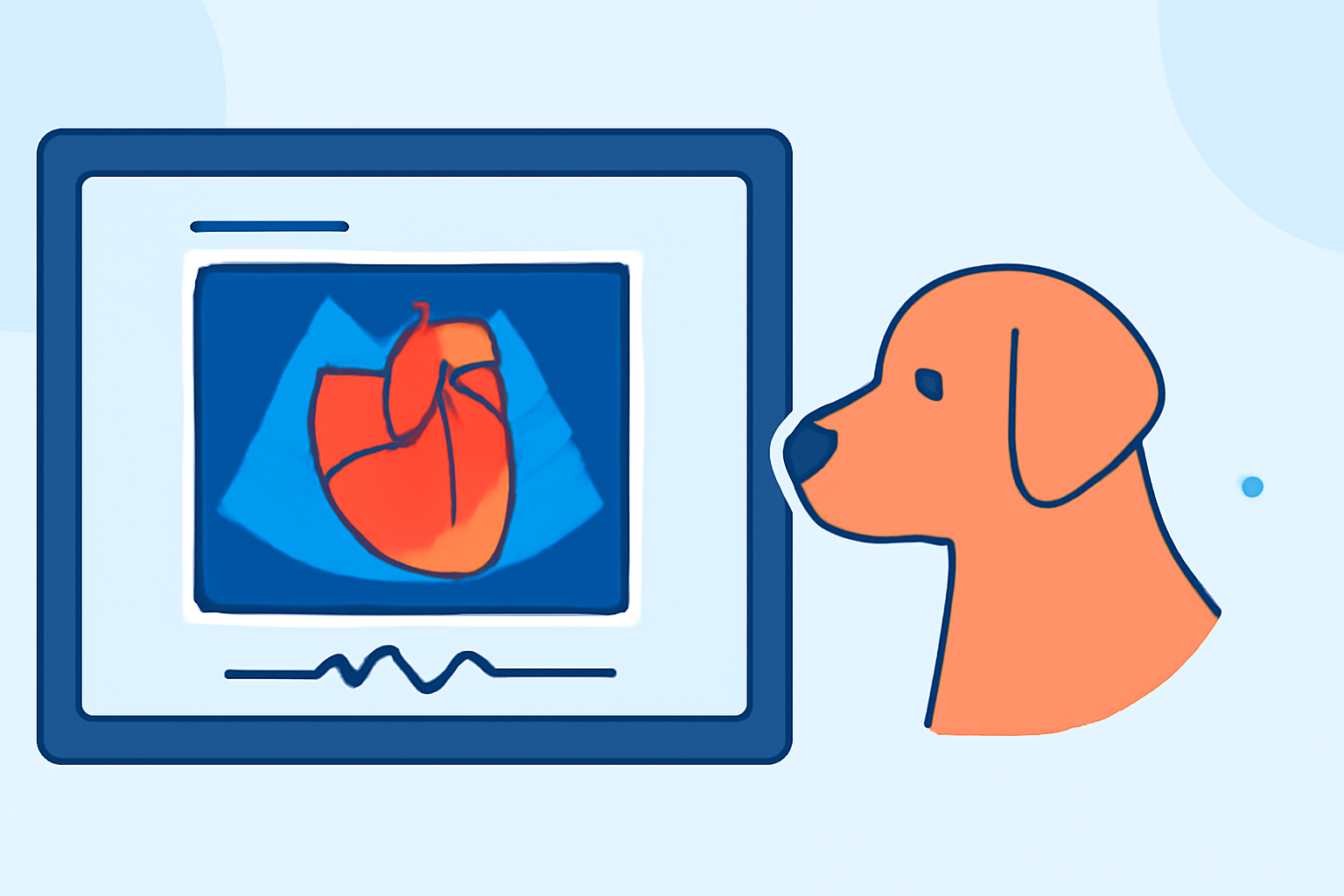
Doppler shear maps are advanced diagnostic tools that play a crucial role in veterinary medicine, particularly in assessing cardiovascular health in pets. By visualizing blood flow and shear stress within blood vessels, these maps provide valuable insights into your pet's circulatory system, aiding in the detection and management of various health conditions.
What Are Doppler Shear Maps?
Doppler shear maps utilize Doppler ultrasound technology to measure the velocity and direction of blood flow within blood vessels. By analyzing the shear stress—the frictional force exerted by blood flow on vessel walls—veterinarians can assess the health of the cardiovascular system. These maps are particularly useful in detecting abnormalities such as stenosis (narrowing of blood vessels) and aneurysms (vessel bulges).
How Do Doppler Shear Maps Benefit Pet Owners?
For pet owners, understanding Doppler shear maps can be instrumental in proactive pet care. Regular cardiovascular assessments using these maps can lead to early detection of heart conditions, enabling timely intervention and management. This proactive approach can significantly improve your pet's quality of life and longevity.
When Are Doppler Shear Maps Used in Veterinary Medicine?
Doppler shear maps are commonly employed in various scenarios, including:
-
Heart Murmur Evaluation: To determine the cause and severity of heart murmurs detected during routine examinations.
-
Congestive Heart Failure Diagnosis: To assess the underlying causes of heart failure symptoms and guide treatment plans.
-
Breed Screening: To identify hereditary heart conditions in breeds predisposed to specific cardiac issues.
How Are Doppler Shear Maps Created?
Creating a Doppler shear map involves several steps:
-
Ultrasound Imaging: A veterinarian uses a specialized ultrasound device to emit high-frequency sound waves into the body.
-
Blood Flow Measurement: The device detects the frequency shift in the returning sound waves caused by moving blood cells, allowing measurement of blood flow velocity and direction.
-
Shear Stress Calculation: The data collected is analyzed to calculate the shear stress exerted by blood flow on vessel walls.
-
Map Generation: The calculated shear stress values are then visualized in a map format, highlighting areas of concern.
Where Can Pet Owners Access Doppler Shear Mapping Services?
Access to Doppler shear mapping services may vary depending on your location. In some regions, specialized veterinary clinics and mobile imaging services offer these assessments. For instance, Mobile Pet Echo provides in-clinic echocardiography services, including Doppler ultrasound, directly to veterinary clinics. (mobilepetecho.com)
How Can I Prepare My Pet for a Doppler Shear Map Procedure?
Preparing your pet for a Doppler shear map procedure is generally straightforward:
-
Fasting: Your veterinarian may recommend that your pet fast for a few hours before the procedure to ensure accurate results.
-
Comfort: Ensure your pet is comfortable and relaxed, as stress can affect blood flow and, consequently, the accuracy of the results.
-
Communication: Discuss any concerns or questions with your veterinarian beforehand to ensure a smooth experience for both you and your pet.
What Should I Expect During the Procedure?
During the Doppler shear mapping procedure:
-
Non-Invasive Process: The procedure is non-invasive and typically painless.
-
Duration: It usually takes between 30 to 60 minutes, depending on the complexity of the assessment.
-
Sedation: In most cases, sedation is not required, but it may be considered for pets that are anxious or have difficulty remaining still.
How Do I Interpret the Results?
Interpreting Doppler shear maps requires specialized knowledge. Your veterinarian will analyze the results and discuss any findings with you, explaining their significance and potential implications for your pet's health. They will also outline any recommended treatments or follow-up procedures based on the findings.
Conclusion
Doppler shear maps are a valuable tool in veterinary diagnostics, offering detailed insights into your pet's cardiovascular health. By understanding and utilizing this technology, you can play an active role in maintaining your pet's well-being and ensuring they lead a healthy, happy life.
Highlights:
- 4D shear stress maps of the developing heart using Doppler optical coherence tomography - PubMed, Published on Wednesday, October 31
- Dynamic Coronary Blood Flow Velocity and Wall Shear Stress Estimation Using Ultrasound in an Ex Vivo Porcine Heart - PubMed, Published on Monday, November 13