
An Introduction to Drought Outlooks in the United States
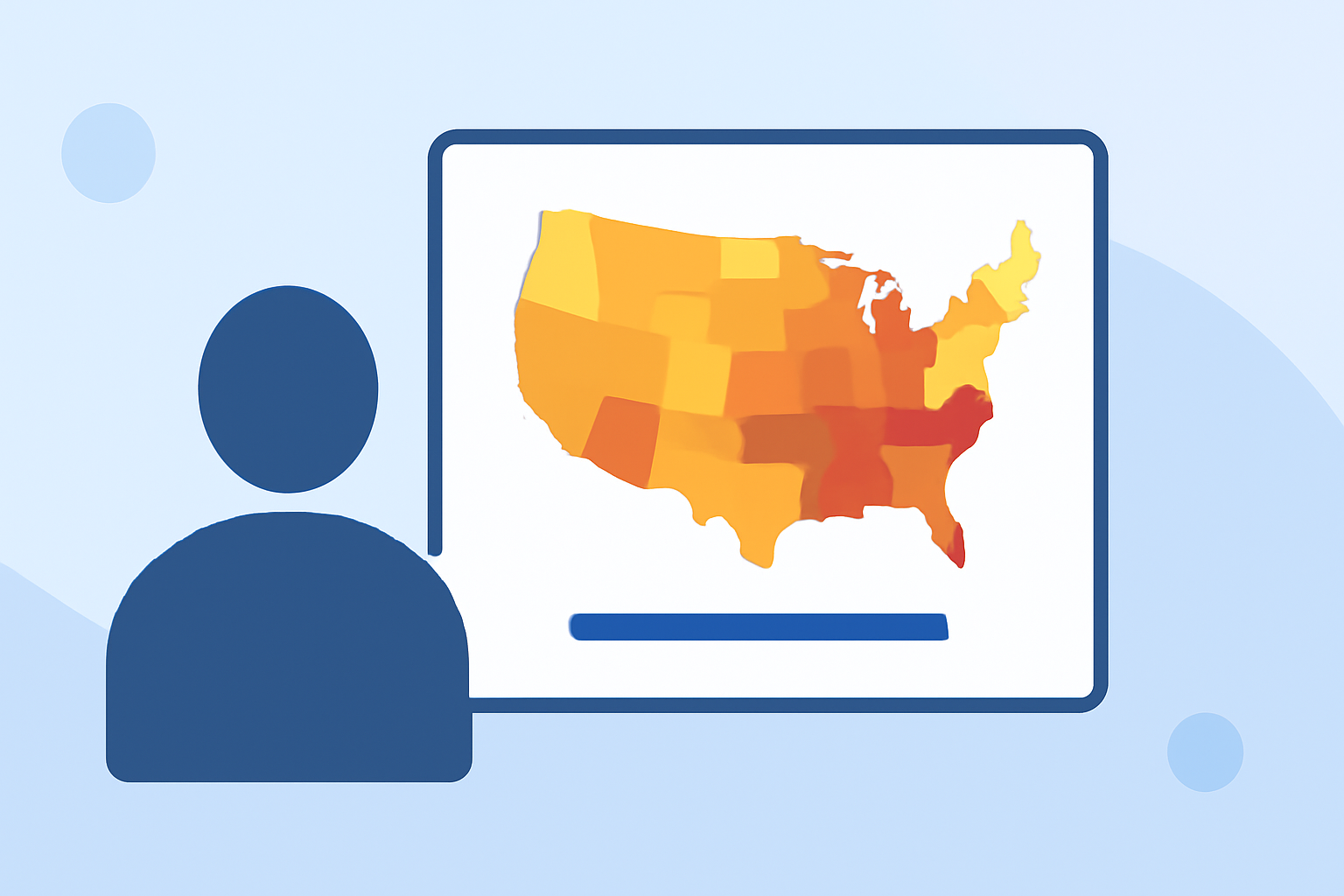
Droughts are prolonged periods of abnormally low precipitation, leading to water shortages that can severely impact agriculture, water supply, and ecosystems. In the United States, monitoring and forecasting drought conditions are essential for proactive management and mitigation strategies.
What Are Drought Outlooks?
Drought outlooks are predictive assessments that forecast the likelihood of drought conditions over specific periods, typically monthly or seasonally. These outlooks help identify regions at risk of developing droughts, areas where droughts may persist, and regions where drought conditions might improve or be alleviated. They are vital tools for stakeholders in agriculture, water resources, and emergency management to prepare and respond effectively.
How Are Drought Outlooks Developed?
Drought outlooks are produced by the Climate Prediction Center (CPC) of the National Weather Service, in collaboration with the United States Department of Agriculture (USDA). The development process involves several key steps:
-
Data Collection: Gathering current and historical data on precipitation, soil moisture, streamflow, and other relevant hydrological variables.
-
Analysis: Assessing current drought conditions using tools like the U.S. Drought Monitor, which categorizes drought severity from D0 (abnormally dry) to D4 (exceptional drought).
-
Forecasting: Utilizing statistical and dynamical models to predict future precipitation patterns, temperature anomalies, and other climatic factors that influence drought development.
-
Expert Assessment: Integrating model outputs with expert judgment to account for local conditions and uncertainties, resulting in a probabilistic forecast of drought conditions.
These outlooks are updated regularly—monthly and seasonally—to provide the most current information. For instance, the Seasonal Drought Outlook is released on the third Thursday of each month, offering forecasts for the upcoming three months. (cpc.ncep.noaa.gov)
Key Components of Drought Outlooks
Drought outlooks typically include the following elements:
-
Development: Areas where drought conditions are expected to develop.
-
Removal: Regions where existing drought conditions are anticipated to improve or be alleviated.
-
Persistence: Locations where current drought conditions are expected to continue without significant change.
-
Improvement: Areas where drought conditions are likely to improve, but not enough to be classified as removed.
These categories help stakeholders understand the potential trajectory of drought conditions and plan accordingly.
The Role of Drought Outlooks in Mitigation
Accurate and timely drought outlooks are crucial for several reasons:
-
Water Resource Management: They inform decisions on water conservation measures, reservoir management, and allocation priorities.
-
Agricultural Planning: Farmers and ranchers use drought forecasts to adjust planting schedules, select drought-resistant crops, and implement irrigation strategies.
-
Emergency Response: Authorities can prepare for potential drought-related emergencies, such as wildfires or water shortages, by coordinating resources and response plans.
Clime's Role in Drought Monitoring and Management
Clime offers advanced tools and data analytics that enhance drought monitoring and management efforts. By integrating real-time weather data, historical climate patterns, and predictive modeling, Clime provides comprehensive insights into drought conditions. This empowers users to make informed decisions, optimize resource allocation, and implement effective drought mitigation strategies.
Conclusion
Drought outlooks are indispensable for anticipating and managing drought conditions in the United States. Through systematic data collection, analysis, and expert assessment, these forecasts provide valuable information that supports proactive measures in water resource management, agriculture, and emergency response. Leveraging advanced tools like Clime can further enhance the effectiveness of drought monitoring and mitigation efforts, ensuring communities are better prepared for future challenges.
Highlights:
- Climate Prediction Center: Seasonal Drought Outlook, Published on Saturday, May 30
- Climate Prediction Center: Monthly Drought Outlook
- Probabilistic Hazards Outlook, Published on Saturday, May 30