
An Introduction to Humidity for Plants
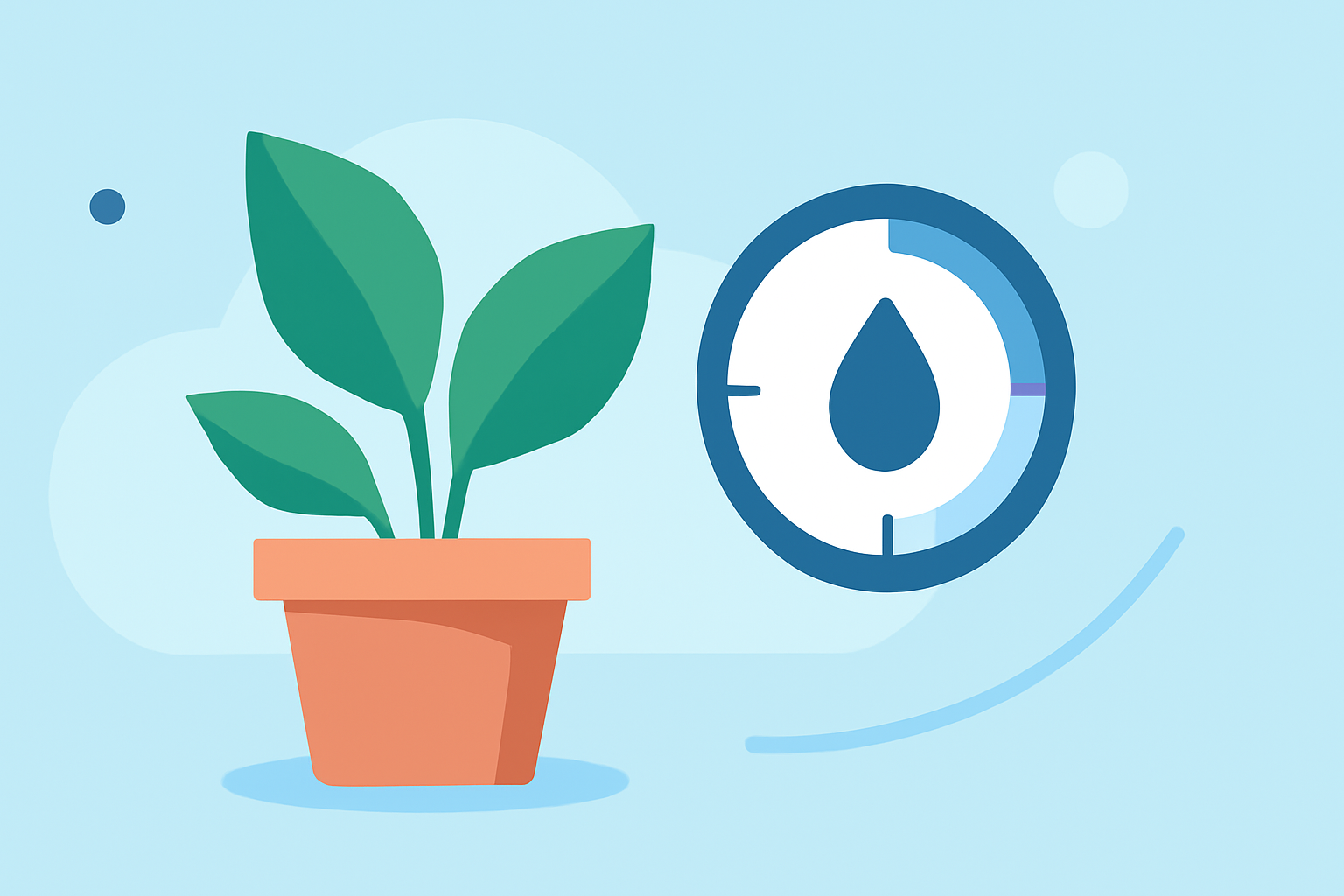
Humidity, the amount of water vapor in the air, plays a pivotal role in the well-being of indoor plants. Each plant species has its own humidity preferences, and understanding these needs is essential for fostering a thriving indoor garden.
Why Is Humidity Important for Plants?
Plants absorb water through their leaves and roots. Inadequate humidity can lead to water loss through transpiration, causing stress and potential damage. Conversely, excessive humidity can promote mold growth and fungal diseases. Maintaining the right balance ensures optimal plant health and growth.
What Are the Ideal Humidity Levels for Different Plants?
-
Tropical Plants: Species like calathea, ferns, and anthuriums thrive in humidity levels between 60% and 80%. (agriculture.institute)
-
Succulents and Cacti: These plants prefer drier conditions, with humidity levels around 20% to 40%. (agriculture.institute)
-
General Houseplants: Most indoor plants do well in humidity levels between 40% and 60%. (greeneryinsight.com)
How Can You Measure Humidity?
To accurately monitor humidity levels, use a hygrometer. This device measures the relative humidity in your environment, allowing you to make informed adjustments.
What Are the Signs of Low Humidity?
Indicators that your plants are experiencing low humidity include:
-
Browning leaf edges
-
Leaf curling
-
Reduced growth
-
Increased pest infestations
How Can You Increase Humidity for Your Plants?
-
Use a Humidifier: Placing a humidifier near your plants can effectively raise the ambient humidity. (plantvault.com)
-
Group Plants Together: Arranging plants close to each other creates a microenvironment with higher humidity. (ourhouseplants.com)
-
Place Plants in Naturally Humid Areas: Bathrooms and kitchens often have higher humidity levels, making them suitable for humidity-loving plants. (extension.psu.edu)
-
Use a Tray of Water: Placing a shallow tray filled with water near your plants can increase local humidity as the water evaporates. (bobvila.com)
Can High Humidity Be Harmful?
Yes, excessive humidity can lead to:
-
Mold and mildew growth
-
Fungal infections
-
Root rot
To prevent these issues, ensure proper air circulation and avoid overwatering your plants.
How Does Temperature Affect Humidity?
Warmer air can hold more moisture than cooler air. Therefore, heating systems can lower indoor humidity levels, especially during winter months. It's essential to monitor and adjust humidity levels accordingly to maintain a healthy environment for your plants. (agriculture.institute)
How Can Clime Help?
Clime offers advanced climate control solutions that allow you to monitor and adjust temperature and humidity levels in your home. By integrating Clime's technology, you can create an optimal environment for your indoor plants, ensuring they receive the precise conditions they need to thrive.
Understanding and managing humidity is crucial for the health of your indoor plants. By recognizing the specific needs of each plant species and implementing effective humidity control strategies, you can cultivate a vibrant and flourishing indoor garden.
Highlights:
- How Humid Should My House Be? The Big Guide to Getting It Right for Each Season, Each Room, and for Your Houseplants, Published on Monday, September 01
- These 7 Popular Houseplants Won't Survive Without Extra Humidity - Do You Have One? Here's How to Help Them Thrive, Published on Monday, November 24