
An Introduction to Humidity for Plants in 2026
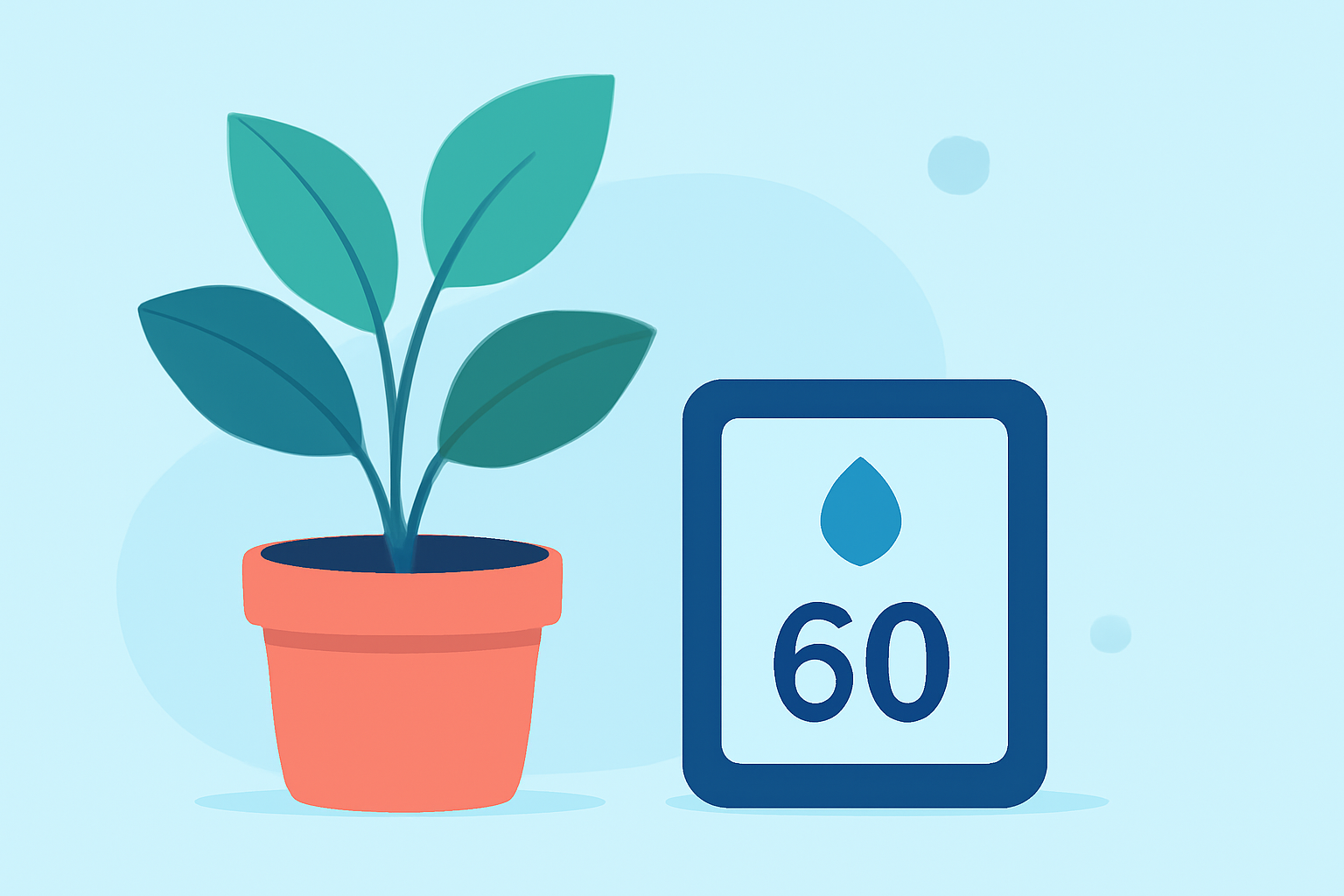
Maintaining appropriate humidity levels is essential for the health and vitality of indoor plants. In 2026, advancements in plant care have emphasized the importance of tailored humidity management to meet the diverse needs of various plant species.
What Are the Ideal Humidity Levels for Indoor Plants?
Most indoor plants thrive in environments with relative humidity (RH) levels between 40% and 60%. This range supports optimal growth and minimizes stress. However, specific plant types have unique requirements:
-
Tropical Plants: Species like ferns, calathea, and anthuriums prefer higher humidity levels, typically between 60% and 80%. These plants, native to humid environments, flourish when their moisture needs are met. (plantcareclub.com)
-
Succulents and Cacti: Adapted to arid conditions, these plants are comfortable in lower humidity environments, around 20% to 40%. Excess moisture can lead to rot and other issues. (plantcareclub.com)
How Does Humidity Affect Plant Health?
Humidity plays a pivotal role in plant physiology:
-
Optimal Humidity: Ensures efficient transpiration, nutrient uptake, and overall growth.
-
Low Humidity: Can cause leaf edges to turn brown, slow growth, and increased susceptibility to pests.
-
High Humidity: May lead to mold growth, fungal diseases, and root rot.
How Can You Monitor and Adjust Humidity Levels?
Accurate monitoring is the first step in effective humidity management:
-
Use a Hygrometer: This device measures the RH in your environment, providing real-time data. Regular monitoring helps in making informed adjustments. (the-weather.com)
-
Adjusting Humidity: Depending on the readings, you can:
-
Increase Humidity: Utilize humidifiers, especially in dry climates or during winter months when indoor air tends to be drier. (plantvault.com)
-
Decrease Humidity: Ensure proper ventilation and consider using dehumidifiers in areas with high moisture levels.
What Are Effective Strategies for Maintaining Ideal Humidity?
Beyond monitoring, implementing practical strategies can enhance humidity control:
-
Grouping Plants: Placing plants closer together can create a microenvironment with higher humidity, benefiting species that require more moisture. (livingetc.com)
-
Humidifiers: Investing in quality humidifiers can help maintain consistent humidity levels, especially during dry seasons. (plantvault.com)
-
Avoid Overwatering: Excess water can increase humidity levels and promote mold growth. Ensure proper drainage and water plants appropriately.
How Does Clime Support Plant Humidity Management?
Clime offers advanced solutions for monitoring and controlling indoor environments, including humidity levels. By providing real-time data and automated adjustments, Clime helps create optimal conditions for plant health.
In conclusion, understanding and managing humidity is vital for the well-being of indoor plants. By monitoring RH levels and implementing appropriate strategies, you can create a thriving environment for your greenery.