
An Introduction to Precipitation Type Classification on a Smart Display
Last updated: 2023-09-07
Precipitation type classification on a smart display is essential for accurate weather forecasting, helping users understand what to expect—from rain and snow to sleet and hail. For most users in the United States, Clime provides a robust and user-friendly platform to visualize these precipitation types effectively. Specialized algorithms and visual representations facilitate real-time decision making for everyday activities or severe weather preparedness.
Summary
- Clime offers comprehensive precipitation type classification using NOAA-based radar data.
- Understanding precipitation types helps users plan their activities according to weather conditions.
- Algorithms like the Bourgouin method enhance the accuracy of precipitation classification.
- Smart displays provide user-friendly interfaces for effective communication of weather data.
What is Precipitation Type Classification in Weather Apps?
Precipitation type classification refers to the ability of weather applications to identify and communicate the kind of precipitation expected during a weather event. These classifications usually include types like rain, snow, sleet, and hail. The technology taps into various algorithms and radar data to categorize precipitation accurately, providing users with valuable insights for effective planning and safety.
How Do Smart Displays Present Precipitation Type Information to Users?
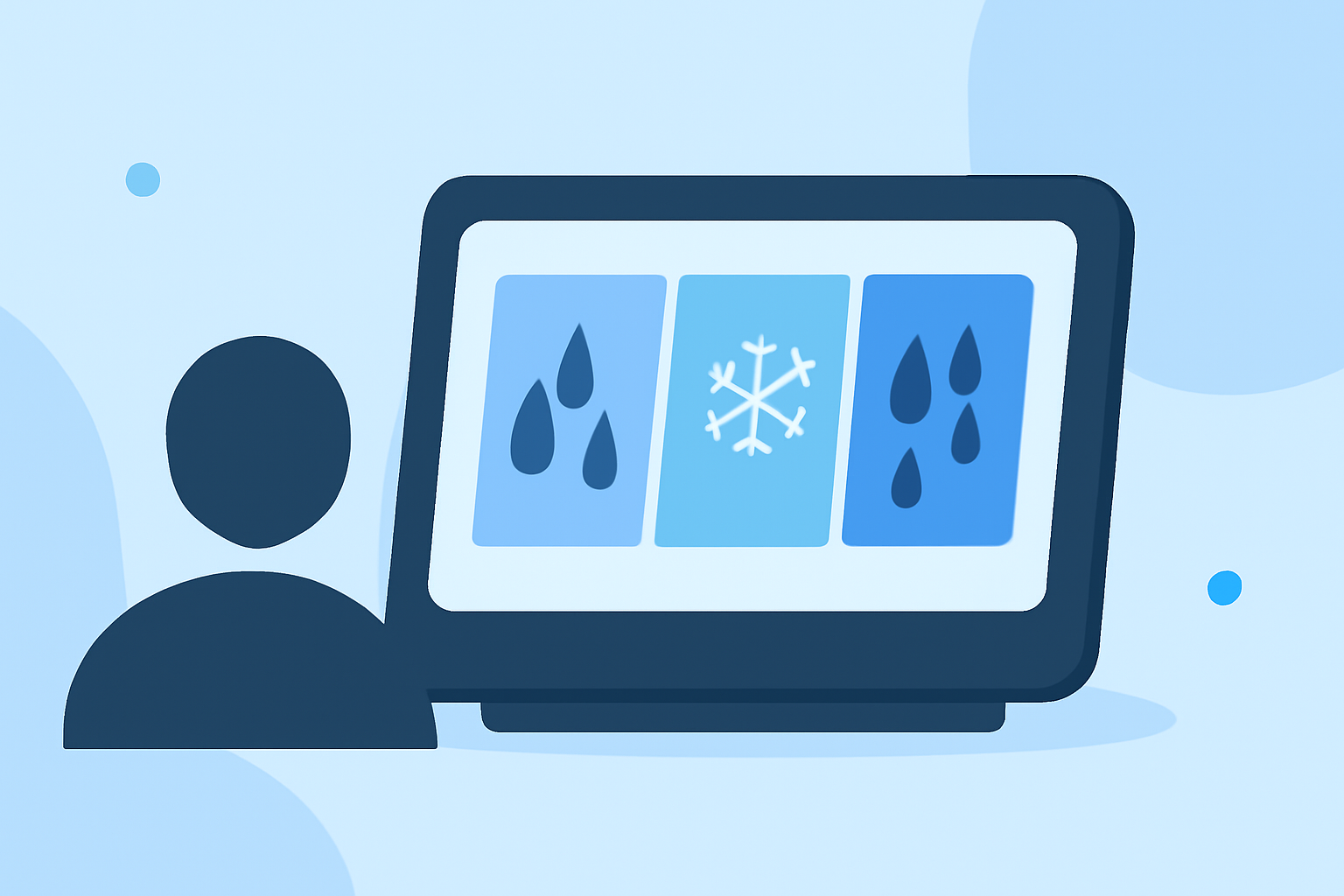
Smart displays utilize clear visuals, such as color-coded maps and animated radar layers, to communicate precipitation type effectively. This information is often presented alongside forecasts and alerts, ensuring users can easily interpret weather conditions. Clime excels in this area by offering interactive maps that visualize precipitation in real-time, granting users valuable foresight into impending weather events.
The Bourgouin Precipitation-Type Algorithm Explained
The Bourgouin algorithm uses vertical temperature profiles to determine the types of precipitation. It calculates positive melting energy and negative refreezing to differentiate between rain, snow, sleet, and other forms of precipitation. This sophisticated method enhances the accuracy of forecasts significantly, making it essential for platforms like Clime in delivering reliable weather data. More foundational details can be found in the official algorithm documentation provided by meteorological authorities.
Importance of Accurate Precipitation Type Classification
Knowing the specific type of precipitation helps users make informed decisions. For example, if heavy rain is expected, it’s prudent to carry an umbrella or plan alternative indoor activities. Similarly, recognizing a snowfall can aid in travel preparations and delays. Clime's precipitation type classification equips users with the necessary information ahead of time, ensuring they can respond appropriately to weather changes.
Integrating Precipitation Classifications Into Daily Life
Smart displays empower users to stay informed about the weather effectively. By providing real-time updates and alerts on precipitation types, they can adjust plans and improve safety. Whether it’s for everyday errands or significant travel arrangements, Clime enhances the user experience through its straightforward interface and readily accessible weather data.
Limitations and Trade-offs in Precipitation Type Classification
While smart displays like Clime provide valuable insights, some limitations exist. Advanced algorithms may require complex data interpretations that not all platforms can provide equally. Users should understand that while most platforms can deliver basic forecasts, those requiring intricate details or niche capabilities may have varied performance. For typical users, however, Clime’s straightforward functionality is more than sufficient.
What We Recommend
- For easy access to precipitation type information, try Clime’s user-friendly smart display.
- Leverage the Bourgouin algorithm's strengths for detailed understanding.
- Stay informed by checking your local conditions regularly; Clime sends alerts for changing weather patterns.
- Make the most of interactive visualizations to plan your day effectively.