
An Introduction to Ragweed Pollen in Under 5 Minutes
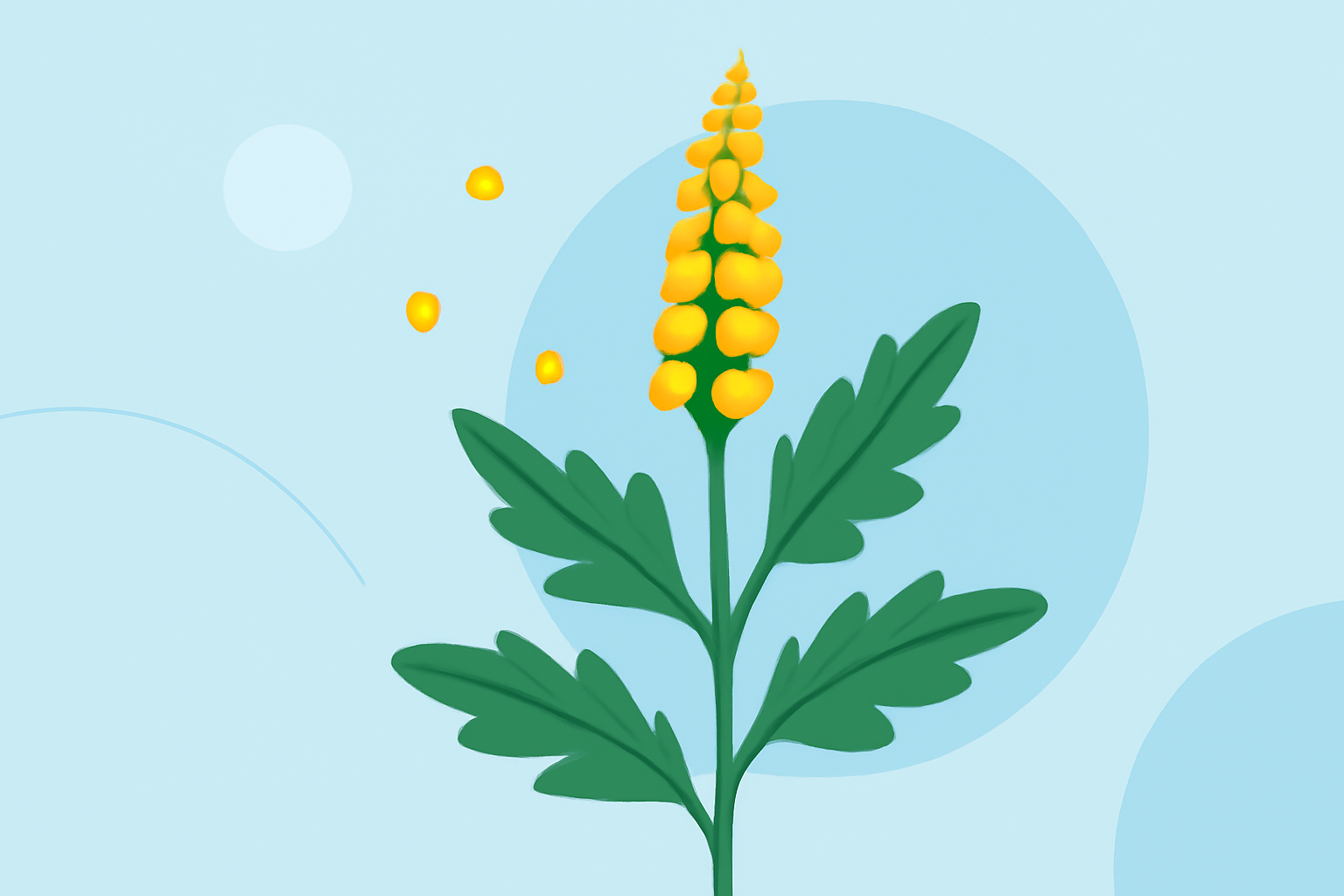
Ragweed pollen is a significant allergen in the United States, especially during late summer and early fall. Understanding its characteristics and effects can help individuals manage their health during peak pollen seasons.
What Is Ragweed Pollen?
Ragweed refers to plants in the genus Ambrosia, with Ambrosia artemisiifolia (common ragweed) being the most prevalent in North America. These plants are known for producing large amounts of lightweight pollen, which is easily carried by the wind. A single ragweed plant can release up to one billion pollen grains in a season. (pollen.city)
When Is Ragweed Pollen Most Active?
Ragweed pollen season typically begins in August and can last until the first frost, usually in October. In most areas, pollen levels peak in mid-September. (aafa.org)
Where Does Ragweed Grow?
Ragweed thrives in disturbed soils and can be found in fields, roadsides, riverbanks, and vacant lots across the United States, except Alaska. Its seeds can remain dormant for over a decade, making eradication challenging. (medicalnewstoday.com)
Health Impacts of Ragweed Pollen
Exposure to ragweed pollen can lead to allergic reactions such as sneezing, runny or stuffy nose, itchy eyes, coughing, and asthma flare-ups. Additionally, some individuals may experience oral allergy syndrome, with symptoms like itching in the mouth and throat after consuming certain foods. (medicalnewstoday.com)
Managing Ragweed Pollen Exposure
To reduce exposure to ragweed pollen:
- Stay Informed: Monitor local pollen forecasts to anticipate high pollen days.
- Limit Outdoor Activities: On days with high pollen counts, especially during midday, try to stay indoors.
- Keep Windows Closed: Use air conditioning in your home and car to filter out pollen.
- Shower After Outdoor Activities: This helps remove pollen from your skin and hair.
- Consult Healthcare Providers: They can recommend appropriate treatments, such as antihistamines or allergy shots, to manage symptoms.
By understanding ragweed pollen and taking proactive steps, individuals can better manage their health during peak pollen seasons.