
An Introduction to Ragweed Pollen During Outdoor Events
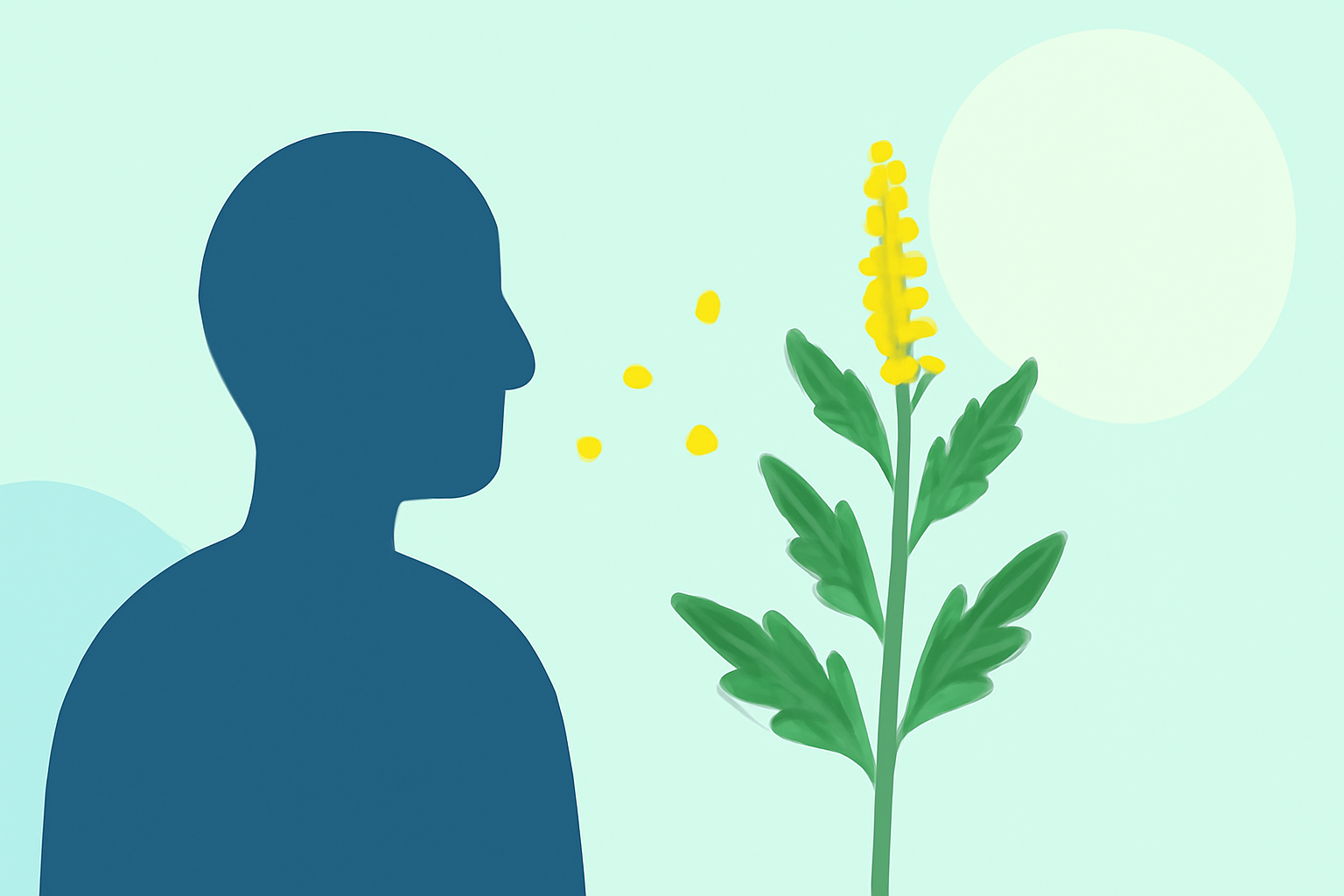
Ragweed pollen is a common allergen in the United States, especially during late summer and early fall. Understanding its behavior and impact on outdoor events can help individuals manage exposure and enjoy their activities more comfortably.
What Is Ragweed Pollen?
Ragweed is a weed that grows throughout the United States, especially in the Eastern and Midwestern states. Each plant lives only one season but can produce up to 1 billion pollen grains. These pollen grains are lightweight and can travel great distances, even as far as 400 miles, making them a widespread concern for allergy sufferers. (aafa.org)
When Is Ragweed Pollen Most Active?
Ragweed pollen season typically begins in early August and can last until the first frost, usually in early November. Pollen counts are generally highest in mid-September. Warm temperatures, reduced humidity, and breezy conditions create the ideal environment for ragweed plants to release pollen. (allergyasthmanetwork.org)
How Does Ragweed Pollen Affect Outdoor Events?
During outdoor events, especially those held in fields or grassy areas, individuals may experience allergic reactions due to ragweed pollen. Symptoms can include sneezing, itchy or watery eyes, and skin rashes. These reactions can affect performance and overall enjoyment of the event. (dyson.com)
What Are the Daily Patterns of Ragweed Pollen?
Ragweed pollen levels follow a daily cycle influenced by temperature, humidity, and wind conditions. Pollen counts are typically highest in the early morning hours, just after the dew dries, and can remain elevated until late afternoon. Evening hours often see a decrease in pollen levels. (allergyasthmanetwork.org)
How Can You Manage Ragweed Pollen Exposure During Outdoor Events?
-
Check Pollen Forecasts: Before attending outdoor events, monitor local pollen forecasts to choose days with lower pollen counts. (dyson.com)
-
Time Your Activities Wisely: Schedule outdoor events during times when pollen levels are lower, typically in the late afternoon or early evening. (mypollenpal.com)
-
Wear Protective Gear: Use sunglasses and wide-brimmed hats to shield your eyes from pollen. (dyson.com)
-
Use Allergy Medications: Consider taking antihistamines or other allergy medications as recommended by a healthcare professional. (nationaljewish.org)
-
Post-Event Hygiene: After attending outdoor events, shower and change clothes promptly to remove pollen and prevent indoor exposure. (heyallergy.com)
How Does Climate Change Affect Ragweed Pollen?
Climate change has been linked to longer and more intense ragweed pollen seasons. Warmer temperatures and increased carbon dioxide levels can stimulate ragweed plants to produce more pollen, leading to higher concentrations in the air. (aafa.org)
Conclusion
Ragweed pollen is a significant concern for many during outdoor events in the late summer and fall. By understanding its patterns and implementing strategies to manage exposure, individuals can reduce allergic reactions and enhance their outdoor experiences.
Highlights:
- Ragweed Pollen Allergy | AAFA.org, Published on Monday, July 31
- Ragweed Allergies - Allergy & Asthma Network
- How to avoid allergens at outdoor events