
An Introduction to Ragweed Pollen: Impacts and Management
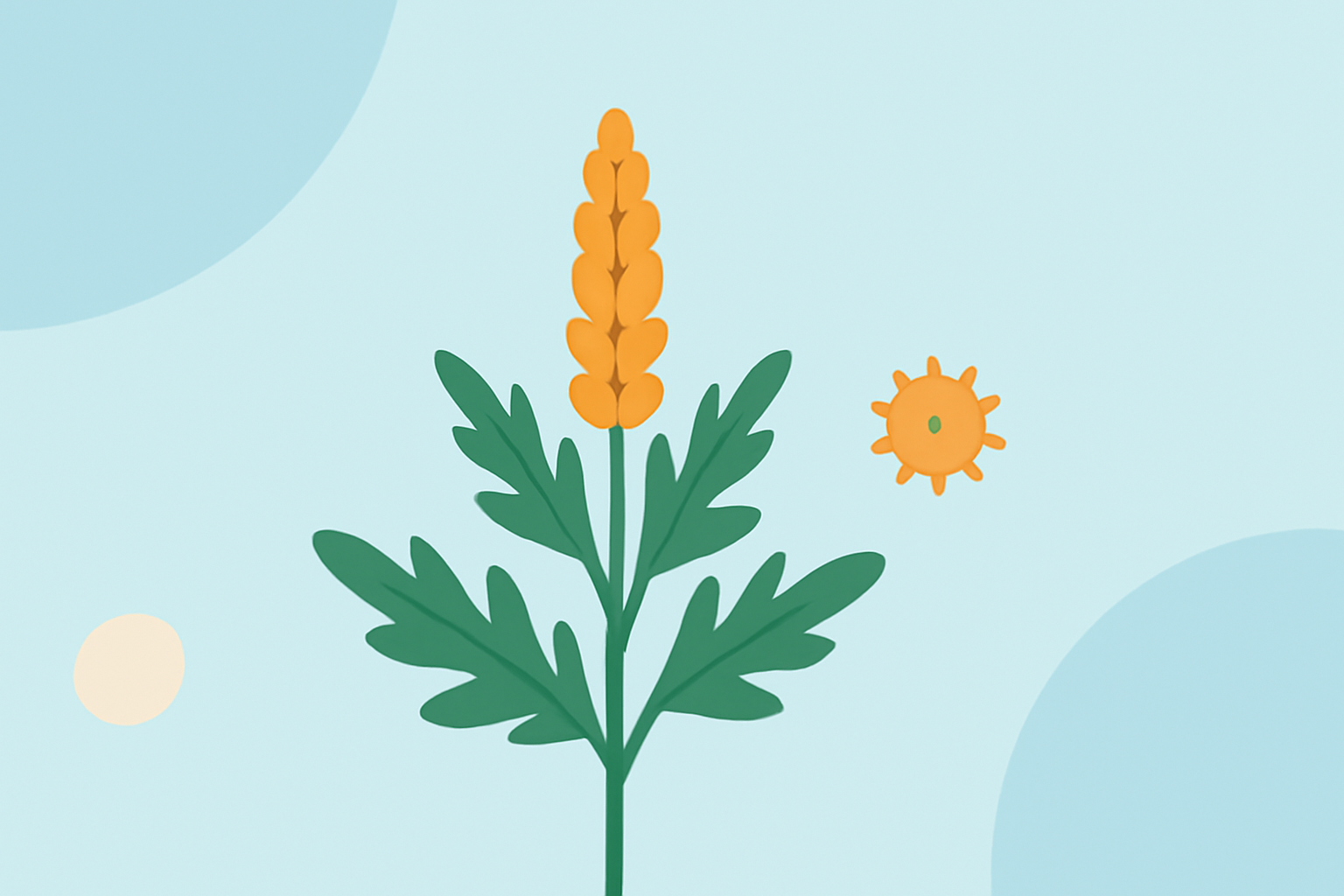
Ragweed pollen is a major environmental allergen in the United States, particularly during late summer and early fall. Understanding its characteristics, health impacts, and management strategies is essential for those affected.
What Is Ragweed Pollen?
Ragweed pollen originates from plants in the genus Ambrosia, notably Ambrosia artemisiifolia (common ragweed). These plants are prevalent across North America, thriving in disturbed soils such as fields, roadsides, and urban areas. A single ragweed plant can produce up to a billion pollen grains in one season, which are dispersed by the wind, often traveling long distances. (epa.gov)
How Does Ragweed Pollen Affect Health?
Exposure to ragweed pollen can lead to allergic reactions, commonly known as hay fever or allergic rhinitis. Symptoms include sneezing, nasal congestion, runny nose, and itchy or watery eyes. For individuals with asthma, ragweed pollen can exacerbate symptoms, potentially leading to asthma attacks. (cdc.gov)
How Is Ragweed Pollen Season Changing?
Climate change has been linked to longer and more intense ragweed pollen seasons. Studies indicate that since 1995, ragweed pollen seasons have lengthened at multiple locations in the United States and Canada. (19january2017snapshot.epa.gov) This extension increases the duration of exposure for individuals sensitive to pollen.
What Are the Health Implications of Longer Ragweed Pollen Seasons?
The extension of ragweed pollen seasons due to climate change has significant health implications. Prolonged exposure can lead to more severe allergic reactions and an increased prevalence of asthma symptoms. Additionally, higher pollen counts are associated with increased healthcare usage, including visits to physicians and emergency departments for allergic diseases. (niehs.nih.gov)
How Can Individuals Manage Ragweed Pollen Exposure?
Managing exposure to ragweed pollen involves several strategies:
-
Monitor Pollen Forecasts: Stay informed about local pollen levels to plan outdoor activities accordingly.
-
Limit Outdoor Activities: During peak pollen times, typically late morning and early afternoon, reduce outdoor exposure.
-
Keep Windows Closed: Keep windows in your home and car closed to lower exposure to pollen. To keep cool, use air conditioners and avoid using window and attic fans. (niehs.nih.gov)
-
Use Air Purifiers: Utilize high-efficiency filters in your home’s heating, ventilation, and air conditioning (HVAC) system to reduce indoor pollen levels. (cdc.gov)
-
Shower After Being Outdoors: Shower after being outside to remove pollen from your skin and hair. (cdc.gov)
-
Consult Healthcare Providers: Seek advice from healthcare professionals regarding appropriate medications and treatments for pollen allergies.
How Is Climate Change Affecting Ragweed Pollen Levels?
Climate change influences ragweed pollen levels through various factors:
-
Warmer Temperatures: Higher temperatures can extend the growing season of ragweed, leading to longer pollen production periods.
-
Increased Carbon Dioxide: Elevated CO₂ levels can enhance plant growth and pollen production, increasing allergenicity.
-
Altered Precipitation Patterns: Changes in rainfall can affect ragweed growth and pollen release, potentially leading to higher pollen counts. (cdc.gov)
What Are the Broader Implications of Increased Ragweed Pollen?
The rise in ragweed pollen levels has broader implications:
-
Public Health Impact: An increase in allergic rhinitis and asthma cases can lead to higher healthcare costs and reduced quality of life for affected individuals.
-
Environmental Considerations: Changes in pollen levels can affect ecosystems, influencing plant-pollinator interactions and biodiversity.
How Can Communities Address Ragweed Pollen Challenges?
Communities can implement several measures to mitigate the impact of ragweed pollen:
-
Public Education: Inform residents about ragweed pollen and its health effects to promote preventive actions.
-
Urban Planning: Incorporate strategies to reduce ragweed proliferation in urban landscaping and development projects.
-
Policy Implementation: Develop and enforce policies aimed at controlling ragweed growth in public spaces. (pmc.ncbi.nlm.nih.gov)
Understanding ragweed pollen and its effects is crucial for public health, especially in the context of climate change. By staying informed and adopting preventive measures, individuals and communities can better manage the challenges posed by this pervasive allergen.
Highlights:
- Pollen effects in a changing climate: Ragweed pollen exposure and sleepiness in immunotherapy patients of a Southeastern Michigan allergy clinic
- Influence of the environment on ragweed pollen and their sensitizing capacity in a mouse model of allergic lung inflammation - PMC, Published on Thursday, August 04
- At-a-glance Pollens, climate and allergies: Quebec initiatives - PMC