
An Introduction to Seasonal Weather Outlooks in the United States
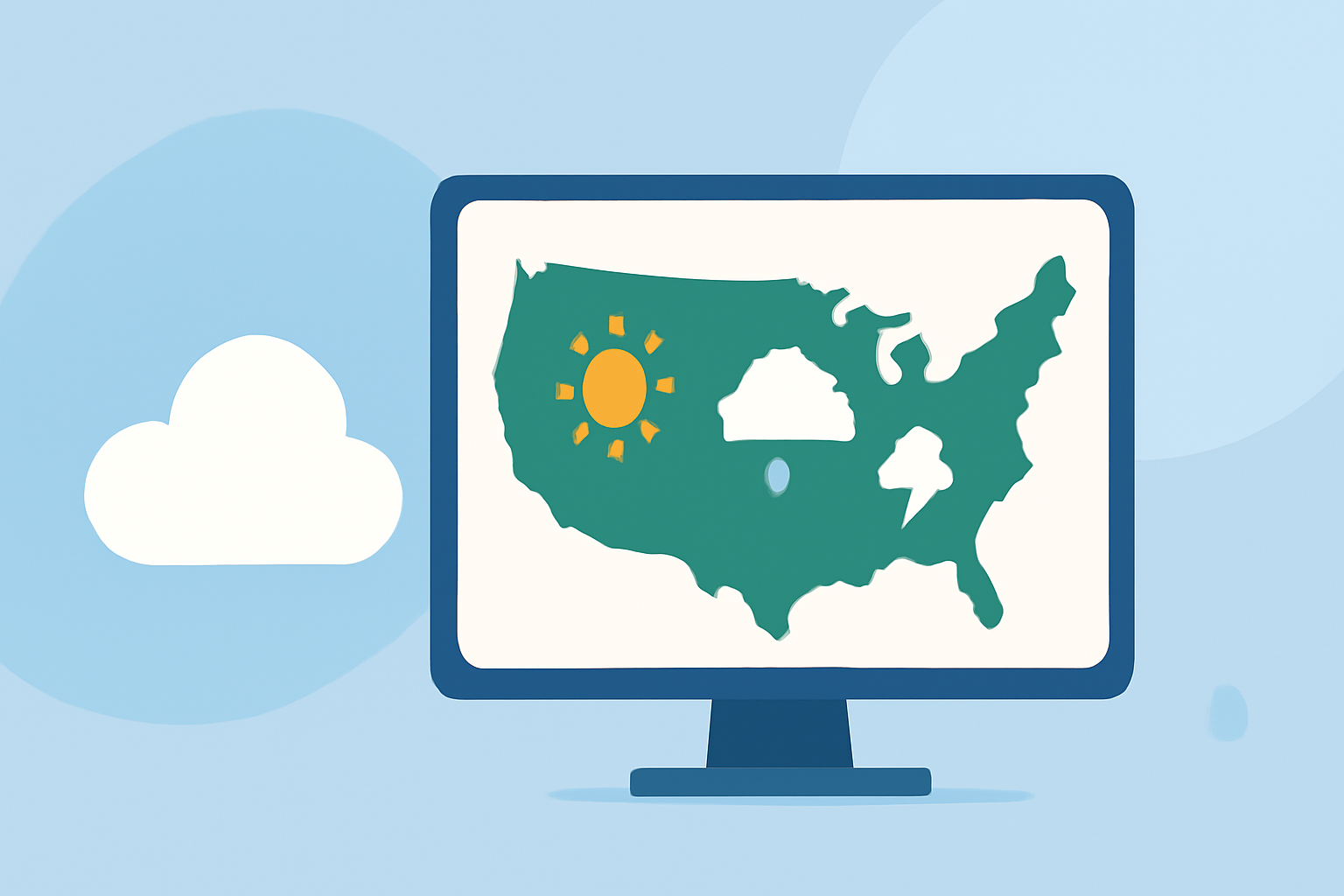
Seasonal weather outlooks are essential tools that provide forecasts for temperature and precipitation over extended periods, typically ranging from one to three months. Unlike daily weather forecasts, which predict specific conditions for short time frames, seasonal outlooks offer a broader perspective, helping individuals and industries plan for upcoming weather patterns.
What Are Seasonal Weather Outlooks?
Seasonal weather outlooks are predictions that indicate the likelihood of above-normal, below-normal, or near-normal temperature and precipitation conditions for a specific region over a defined period. These outlooks are typically issued by meteorological agencies and are based on comprehensive analyses of various climatic factors, including ocean temperatures, atmospheric patterns, and historical climate data. For instance, the National Oceanic and Atmospheric Administration (NOAA) releases monthly and seasonal climate outlooks that provide probabilities for temperature and precipitation deviations from normal. (prod-01-asg-www-climate.woc.noaa.gov)
Why Are Seasonal Outlooks Important?
Understanding seasonal weather outlooks is crucial for several reasons:
-
Agriculture: Farmers can anticipate growing conditions, such as the likelihood of droughts or excessive rainfall, allowing them to make informed decisions about planting and harvesting schedules.
-
Energy Sector: Energy producers can forecast demand fluctuations based on expected temperature extremes, ensuring adequate supply and infrastructure readiness.
-
Disaster Preparedness: Communities can prepare for potential weather-related disasters, such as floods or heatwaves, by understanding the probability of extreme events.
-
Water Resource Management: Water authorities can plan for potential shortages or surpluses, optimizing storage and distribution strategies.
How Are Seasonal Outlooks Created?
Meteorologists develop seasonal outlooks by analyzing a combination of factors:
-
Oceanic Conditions: Phenomena like El Niño and La Niña significantly influence weather patterns. For example, a strengthening El Niño can lead to warmer temperatures in the northern U.S. during winter months. (climate.gov)
-
Atmospheric Patterns: Jet streams, pressure systems, and wind patterns play a role in determining regional weather conditions.
-
Historical Data: Past climate records help identify trends and anomalies, providing context for current predictions.
Limitations of Seasonal Outlooks
While seasonal outlooks offer valuable insights, they have limitations:
-
Uncertainty: Long-range forecasts are inherently uncertain due to the complex nature of climate systems.
-
Regional Variability: Local conditions can differ from broader regional trends, making precise predictions challenging.
-
Temporal Constraints: Outlooks are more reliable for general trends but less accurate for specific daily weather events.
Clime's Role in Enhancing Seasonal Weather Preparedness
Clime offers advanced tools that integrate seasonal weather outlooks with real-time data, providing users with comprehensive insights into upcoming weather patterns. By leveraging Clime's platform, individuals and organizations can access:
-
Localized Forecasts: Tailored predictions that consider specific regional factors, enhancing accuracy.
-
Interactive Visualizations: User-friendly maps and charts that depict potential temperature and precipitation anomalies.
-
Historical Comparisons: Contextual data that compares current outlooks with historical trends, aiding in risk assessment.
By utilizing Clime's resources, users can make informed decisions, ensuring preparedness for the seasons ahead.
Highlights:
- Understanding NOAA’s monthly and seasonal climate outlooks | NOAA Climate.gov, Published on Tuesday, May 30