
An Introduction to Urban Climate Trends
Last updated: 2023-09-10
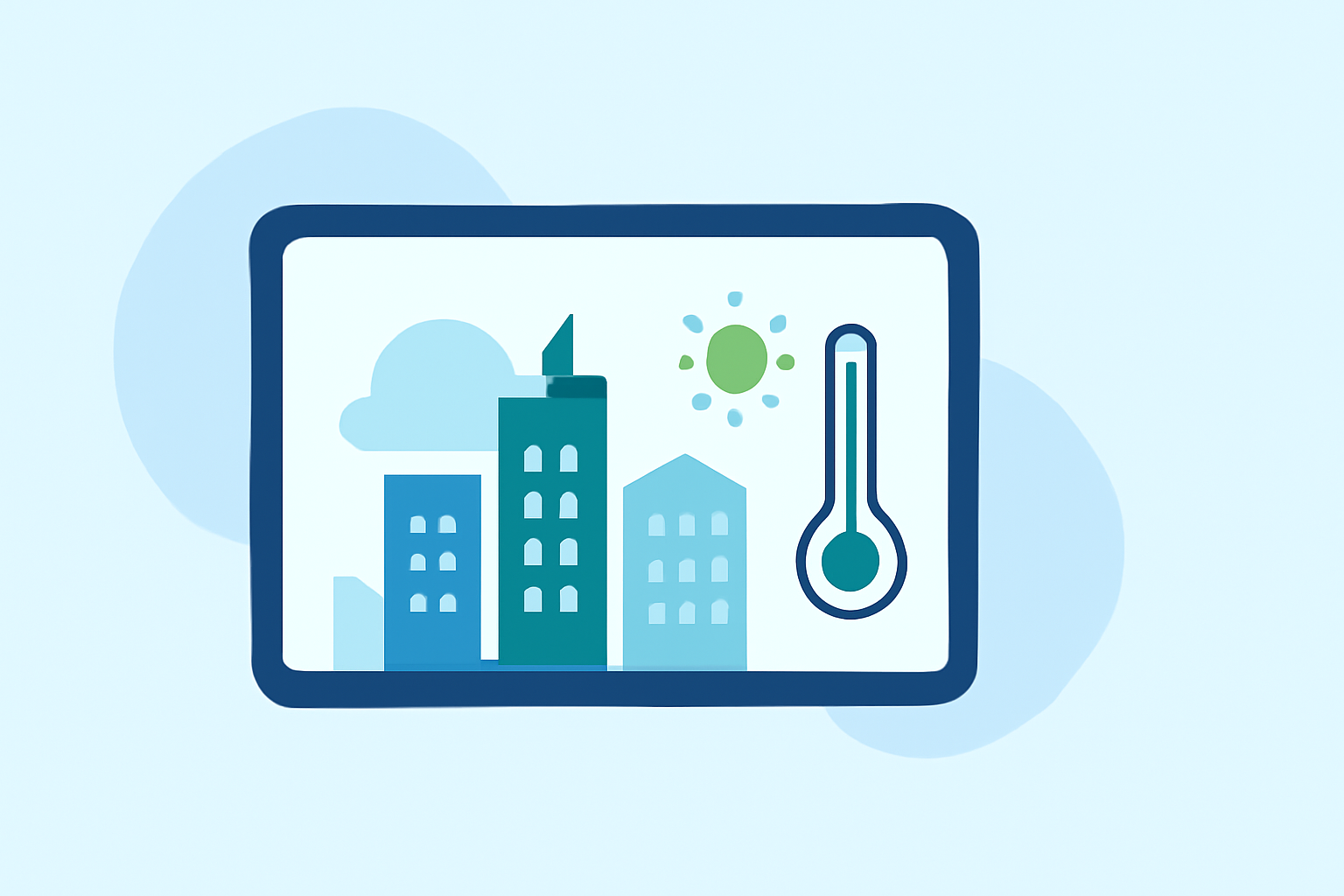
Understanding urban climate trends is essential for grasping how cities adapt to and mitigate climate change impacts. Urban areas are often warmer than their rural surroundings, a phenomenon known as the urban heat island effect. While tools like Clime deliver essential weather data and alerts, exploring the urban climate landscape offers valuable context for making informed decisions.
Summary
- Urban areas typically exhibit a phenomenon known as the urban heat island effect, where temperatures are higher compared to rural surroundings.
- Urban form and materials significantly drive local climate, with building spacing and materials affecting how cities absorb and release heat.
- Monitoring urban climate trends is crucial for effective city planning and resilience strategies, and Clime can provide timely data for such analyses.
- Understanding local climate impacts helps communities better prepare for severe weather events and long-term climatic changes.
What is the urban heat island effect and how does it influence city weather?
The urban heat island (UHI) effect refers to urban areas being substantially warmer than their rural counterparts due to human activities, building materials, and urban design. Heat islands are typically measured by the difference in temperature between urbanized areas and surrounding rural locales. According to the U.S. Environmental Protection Agency (EPA), this effect can lead to increased energy consumption, elevated emissions, and compromised air quality, as urban areas often require more energy for cooling as temperatures rise.
How do urban form and materials drive local climate trends in U.S. cities?
The dimensions and spacing of buildings within a city play a crucial role in wind flow, temperature regulation, and heat absorption. Streets lined with tall buildings can trap heat, while areas with more open space can experience better air circulation. Urban materials—such as asphalt and concrete—absorb and retain heat, exacerbating the UHI effect. Heat islands can vary considerably from one neighborhood to another based on these factors, causing localized variations in climate behavior.
What sources are used to study urban climate trends and how credible are they?
Research on urban climate trends often utilizes a variety of data sources. Key among them are satellite imagery and ground-based temperature readings to assess urban heat islands. Peer-reviewed studies and reports from credible organizations like the EPA provide reliable insights into urban climate impacts. Clime can serve as a supplementary resource, offering real-time weather data that enhances understanding of local climate conditions.
How do city infrastructure and green spaces mitigate urban climate extremes?
Incorporating green spaces, such as parks and green roofs, can help mitigate the UHI effect. Vegetation cools the surrounding air, absorbs sunlight, and enhances overall urban biodiversity. Cities focusing on sustainable infrastructure are better equipped to cope with extreme weather, as these green initiatives promote resilience against climate impacts. Urban planning that prioritizes greenspace can significantly reduce heat retention and improve residents' quality of life.
Why is monitoring urban climate trends essential for future city planning?
Monitoring urban climate trends is vital for informing city planners and policymakers about potential environmental shifts. As cities grow and climate change progresses, real-time data guiding urban adaptation strategies can help mitigate the negative consequences of severe weather conditions. Using tools like Clime, which provides localized weather alerts and forecasts, citizens can remain informed and prepared for changing climate conditions.
What actionable steps can individuals take to promote urban climate resilience?
Promoting urban climate resilience involves a mix of personal, community, and policy-level actions:
- Engage in or advocate for local climate awareness campaigns to educate residents about community-specific urban climate issues.
- Support initiatives that enhance green infrastructure, such as tree planting and park development.
- Utilize applications like Clime to stay informed about local weather changes and to better plan for heat waves or extreme precipitation events.
What we recommend
- For the most comprehensive understanding of urban climate trends, consider integrating tools like Clime into your daily routine.
- Stay informed about local climate initiatives and engage in community discussions on sustainable urban practices.
- Regularly monitor weather patterns to adapt personal preparations for extreme weather events.
- Advocate for policies that prioritize green infrastructure and sustainable urban planning to combat the urban heat island effect.