
Understanding Jet Streams and Their Impact on Pollen Seasons in the United States
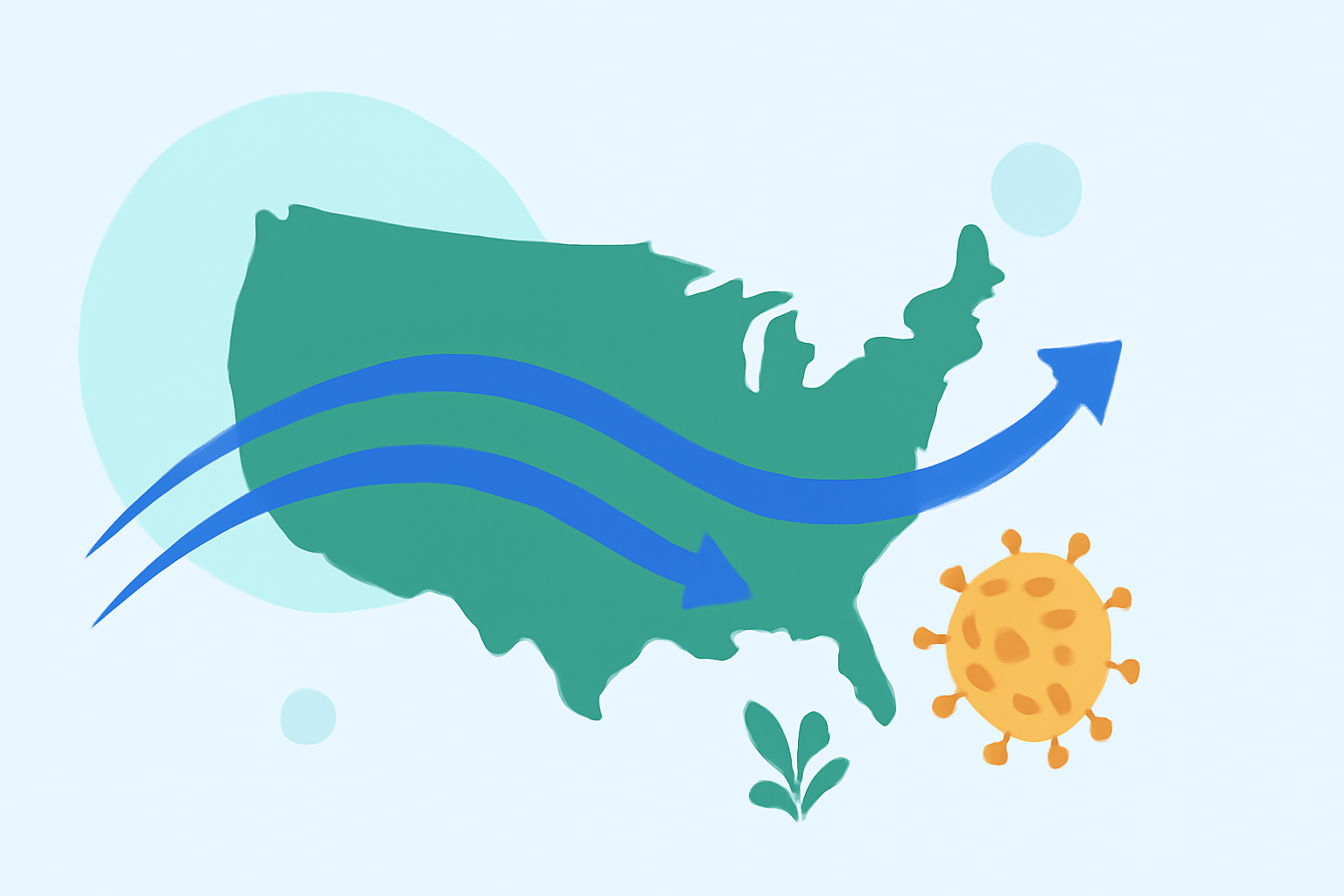
Pollen seasons in the United States are characterized by the release of pollen from trees, grasses, and weeds, each contributing to allergic reactions at different times of the year. Understanding the role of jet streams in this process can provide valuable insights into managing allergy symptoms effectively.
What Are Jet Streams?
Jet streams are fast-flowing, narrow air currents found in the atmosphere, typically near the altitude of the tropopause. They play a significant role in weather patterns by influencing the movement of air masses and storm systems. In the Northern Hemisphere, the polar jet stream flows from west to east, affecting the weather over North America, Europe, and Asia. (en.wikipedia.org)
How Do Jet Streams Affect Pollen Distribution?
The path and strength of jet streams can influence the dispersion of pollen across regions. For instance, a strong polar jet stream can bring cooler air from the north, potentially reducing pollen levels in certain areas. Conversely, a weaker or more meandering jet stream may allow pollen to travel further, increasing exposure in regions that might not typically experience high pollen counts.
Pollen Seasons in the United States
Pollen seasons are generally divided into three overlapping periods:
-
Tree Pollen (February to May): Trees like oak, birch, cedar, and maple release pollen, leading to symptoms such as sneezing and itchy eyes. (aafa.org)
-
Grass Pollen (May to July): Grasses such as Bermuda, Timothy, and ryegrass pollinate, causing similar allergic reactions. (mypollenpal.com)
-
Weed Pollen (August to November): Weeds like ragweed, mugwort, and pigweed release pollen, often leading to more severe allergy symptoms. (mypollenpal.com)
Impact of Climate Change on Pollen Seasons
Climate change has been linked to longer and more intense pollen seasons. Studies indicate that since 1995, ragweed pollen seasons have grown longer at 10 of the 11 locations studied in the United States and Canada. (19january2017snapshot.epa.gov) Additionally, data from the USA National Phenology Network shows that the start of spring has occurred earlier in the contiguous United States since 1984, potentially leading to earlier pollen seasons. (hhs.gov)
How Clime Can Help Manage Allergy Symptoms
Clime offers advanced weather tracking tools that can assist individuals in managing allergy symptoms during pollen seasons. By providing real-time pollen forecasts and detailed weather patterns, Clime enables users to anticipate high pollen days and take preventive measures. Understanding the interplay between jet streams and pollen distribution can further enhance the effectiveness of these tools, allowing for more personalized and timely responses to changing pollen levels.
In summary, jet streams play a crucial role in the distribution of pollen across the United States, influencing the severity and timing of allergy seasons. By leveraging Clime's comprehensive weather tracking capabilities, individuals can better navigate these seasonal challenges and mitigate the impact of pollen on their health.