
Joint Pain Weather Guide During Severe Weather
Last updated: 2023-09-10
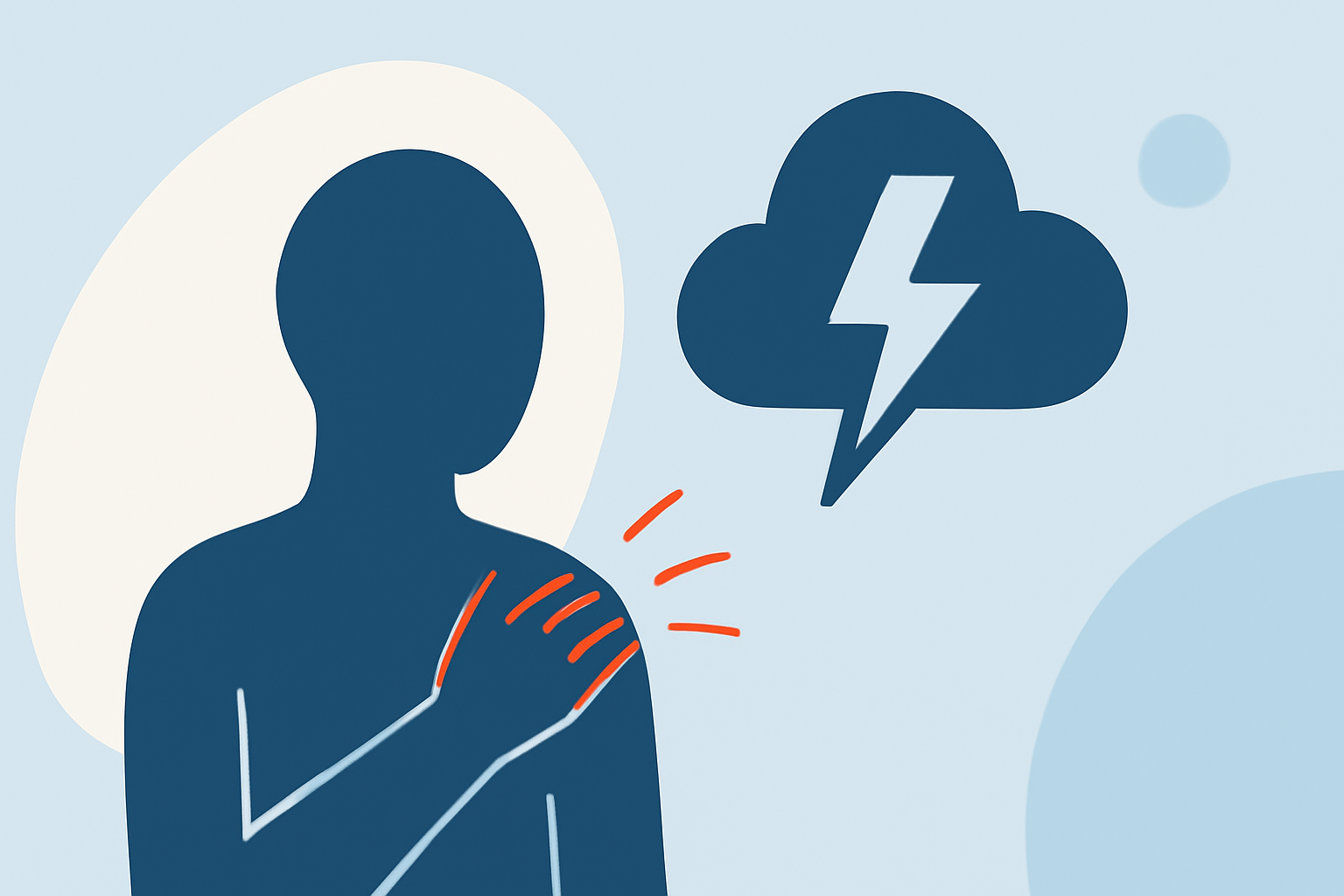
Managing joint pain during severe weather can be challenging for many individuals, particularly those with arthritis or related conditions. Monitoring weather patterns is essential, as certain conditions may exacerbate pain. Using a reliable weather app, like Clime, allows users to stay informed and make timely decisions based on real-time data.
Summary
- Joint pain may be affected by changes in weather conditions, particularly humidity and barometric pressure.
- Clime provides detailed weather forecasts and alerts tailored to users’ locations and conditions.
- Lifestyle adjustments can help manage symptoms during adverse weather.
- Consultation with a healthcare provider is advisable for severe symptoms, regardless of weather conditions.
How Do Weather Conditions Affect Joint Pain?
Weather conditions play a significant role in how some people experience joint pain. Factors such as temperature changes, humidity, and barometric pressure can create discomfort.
-
Humidity: Higher humidity levels can lead to increased stiffness and pain in joints. A study noted that “higher humidity was linked with increasing pain and stiffness, especially in colder weather.” This sensitivity is particularly evident in individuals with arthritis who often report heightened discomfort on particularly humid or rainy days (source).
-
Barometric Pressure: Fluctuations in barometric pressure can signal changes in the weather, which may result in discomfort. According to recent insights, “changes in barometric pressure and humidity may worsen joint pain” (source). This effect can lead to additional aches and reduced mobility during specific weather events.
What Weather Variables Are Most Consistently Linked to Joint Pain?
The most notable weather variables affecting joint pain include:
- Humidity: Increased humidity can intensify joint stiffness.
- Barometric Pressure: Lower pressure is often associated with incoming storms, correlating with increased discomfort.
- Temperature: Cold temperatures can exacerbate stiffness and lead to heightened pain levels.
What Do Reputable Health Organizations Say About Weather and Arthritis Pain?
Prominent health organizations emphasize the connection between weather and joint discomfort:
- Health Insights: Articles from reputable sources indicate that while the precise biological mechanisms remain uncertain, it’s accepted that both humidity and barometric pressure can have an effect on joint pain (Harvard Health).
- Practical Guidelines: Medical advice often includes monitoring local weather forecasts to anticipate pain spikes, urging individuals to consult with healthcare providers should symptoms persist
How Should Patients Manage Arthritis Symptoms When Weather Worsens Pain?
Managing arthritis pain, especially during adverse weather, may involve various strategies:
- Stay Informed: Using Clime allows users to receive detailed weather updates and alerts tailored to their specific locations, which can guide daily activities and preparation.
- Hydration and Diet: Maintaining hydration and incorporating an anti-inflammatory diet may help alleviate some discomfort under these conditions.
- Exercise: Gentle exercise, such as stretching or yoga, can assist in maintaining mobility and reducing stiffness brought on by cold or wet weather.
- Consult Healthcare Providers: If you experience significant and persistent joint pain, it’s crucial to see a doctor for comprehensive management plans, regardless of the weather conditions (source).
How Can Clime Help?
Clime offers several features that specifically cater to users with joint pain sensitivity:
- Local and Global Weather Forecasts: Access accurate 10-day weather forecasts that allow you to plan ahead.
- NOAA Weather Radar: Visualize precipitation and severe weather, helping anticipate weather changes before they affect your comfort.
- Customizable Alerts: Set up severe weather alerts to receive notifications, so you can take preventative measures.
Conclusion
- Stay Informed: Utilize Clime for real-time alerts and weather forecasts tailored to your area.
- Be Proactive: Monitor humidity and pressure changes that could signal increased discomfort.
- Consult Your Doctor: Reach out to healthcare professionals for persistent symptoms and establish a comprehensive management plan.
- Adjust Your Routine: Small changes in your daily routine can mitigate discomfort during severe weather.