
Understanding Joint Pain and Weather: A Guide for Outdoor Enthusiasts
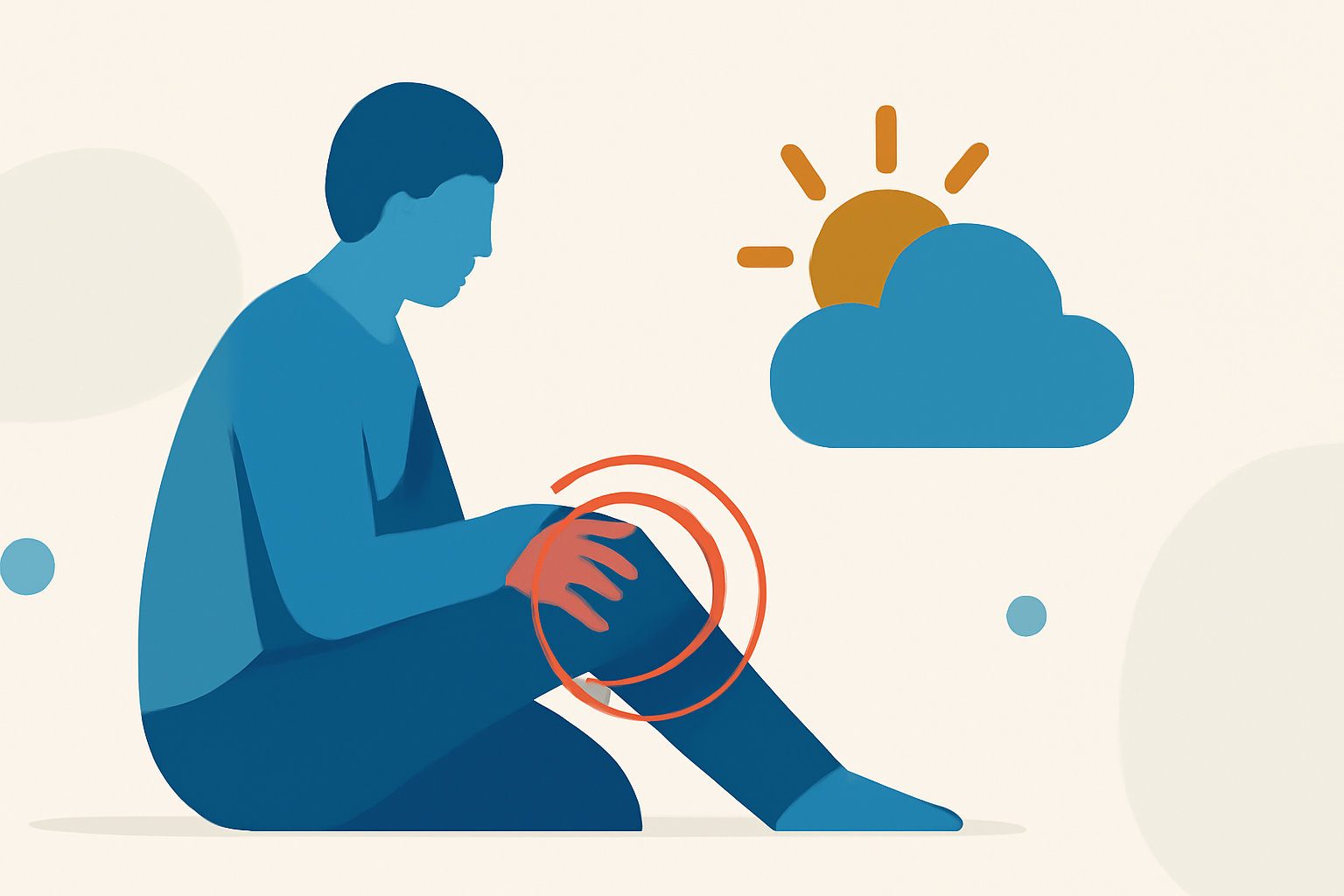
As an outdoor enthusiast, you may have noticed that certain weather conditions seem to affect your joint comfort. Understanding the relationship between weather and joint pain can help you better prepare for your adventures and minimize discomfort.
How Does Weather Affect Joint Pain?
Changes in weather, particularly temperature, humidity, and barometric pressure, can influence joint pain. Cold weather may cause blood vessels to constrict, reducing blood flow to extremities and leading to stiffness. Additionally, cooler temperatures can increase the viscosity of synovial fluid—the lubricant in your joints—making movement less fluid. Some studies suggest that lower barometric pressure, often preceding storms, can cause tissues around joints to expand, potentially leading to increased pain. (healthline.com)
Which Weather Conditions Are Most Impactful?
-
Cold Temperatures: Cold weather can cause muscles, ligaments, and joints to stiffen, leading to discomfort. (columbiadoctors.org)
-
Humidity: High humidity levels may exacerbate joint pain, especially in individuals with arthritis. (healthline.com)
-
Barometric Pressure Changes: Fluctuations in atmospheric pressure, such as those before a storm, can affect joint tissues, potentially increasing pain. (health.clevelandclinic.org)
How Can Outdoor Enthusiasts Manage Weather-Related Joint Pain?
-
Stay Active: Regular movement helps maintain joint flexibility and reduces stiffness. Incorporate gentle exercises and stretches into your routine to keep joints limber. (health.clevelandclinic.org)
-
Dress Appropriately: Layering clothing allows you to adjust to changing temperatures, helping to keep your muscles and joints warm. (columbiadoctors.org)
-
Monitor Weather Forecasts: Being aware of upcoming weather changes can help you plan activities during times when joint discomfort may be less likely.
-
Use Heat Therapy: Applying heat to affected areas can increase blood flow and reduce stiffness. Consider using heating pads or warm compresses before and after outdoor activities. (health.clevelandclinic.org)
-
Maintain a Healthy Weight: Excess weight can put additional stress on joints, especially during physical activities. Maintaining a healthy weight can alleviate some of this pressure. (goodrx.com)
When Should You Seek Medical Advice?
If you experience persistent or severe joint pain that interferes with your daily activities, it's important to consult a healthcare professional. They can provide personalized advice and treatment options tailored to your specific needs.
By understanding how weather conditions can impact joint health and implementing these strategies, you can continue to enjoy outdoor activities with greater comfort and confidence.