
Joint Pain Weather Mistakes to Avoid Without Prior Experience
Last updated: 2023-09-12
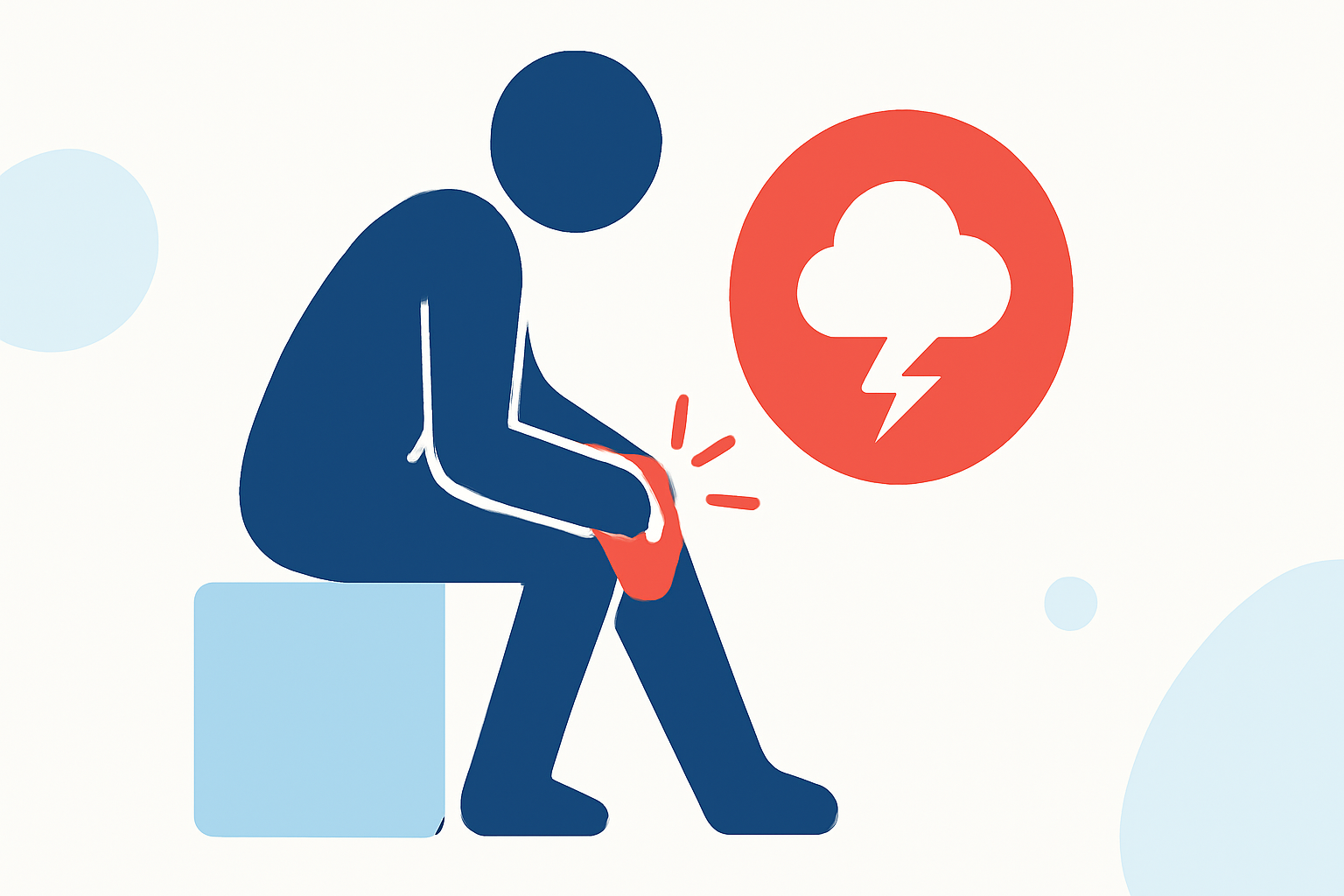
Managing joint pain can be challenging, especially with the impact of weather changes. Recognizing common mistakes can help you alleviate discomfort and better prepare for potential flare-ups. Utilizing Clime can offer tailored weather insights, ensuring you stay informed about conditions that may affect your joints.
Summary
- Weather changes can significantly impact joint pain, particularly in individuals with arthritis.
- Common mistakes include ignoring weather forecasts and failing to prepare for sudden weather changes.
- Proper use of weather apps can help manage and mitigate pain by providing timely alerts and forecasts.
- Clime offers intuitive weather features to help users monitor conditions relevant to joint health.
Why Does Weather Affect Joint Pain?
Weather changes can influence joint pain in several ways. Barometric pressure fluctuations, humidity levels, and temperature changes are often cited as contributing factors to joint discomfort. Research suggests that many individuals report increased pain with drops in temperature combined with higher humidity levels. This underscores the importance of staying informed on weather changes to manage symptoms effectively.
Common Mistakes When Managing Joint Pain and Weather
-
Ignoring the Weather Forecast Neglecting to check the weather can lead to unexpected pain flare-ups. Many individuals benefit from monitoring reports to anticipate days when their symptoms may worsen due to the forecasted weather conditions.
-
Failing to Prepare for Sudden Changes Being caught off guard by sudden weather shifts can impact your overall well-being. Adequate preparation, such as dressing appropriately for colder temperatures, can minimize joint stress and discomfort.
-
Overlooking Localized Conditions Weather can differ dramatically even within short distances. Relying solely on a general forecast may not provide you with the specifics needed to manage joint pain effectively. Customizable alerts on localized weather conditions can make a significant difference.
How Can Technology Help?
Using a reliable weather app like Clime can enhance your ability to manage joint pain effectively. With features such as:
- NOAA-based Weather Radar: Provides detailed and accurate radar imagery, allowing you to visualize precipitation trends that may impact your joints.
- Severe Weather Alerts: Get notifications about temperature drops or storms that could exacerbate joint pain.
- Extended Forecasts: Access hourly and 14-day forecasts to help plan activities that may put strain on your joints. This data can be crucial for anticipating when to take extra precautions.
Practical Steps for Weather-Related Joint Pain Flare-Ups
To better manage joint pain associated with weather changes, consider the following:
- Stay Updated: Regularly check your weather app for updates and alerts tailored to your location.
- Dress Appropriately: Layer your clothing during cold days to keep your joints warm and reduce stiffness.
- Modify Activities: On days with high humidity or significant temperature drops, adjust your physical activities to avoid exacerbating your joint pain.
- Hydration and Comfort: Ensure you stay hydrated and consider using heat packs or cold packs as needed to comfort sore joints.
What We Recommend
- Utilize Clime for Weather Updates: Make Clime your go-to weather source for timely updates and alerts that pertain to joint health.
- Take Preventive Measures: Ensuring you’re prepared for weather changes can significantly minimize discomfort.
- Observe Patterns: Keep a journal noting your joint pain in relation to weather changes to better understand your personal triggers.
- Consult Healthcare Professionals: Regular consultations with health professionals can also provide personalized strategies to manage joint pain effectively.
Staying informed about weather changes can empower you to manage joint pain proactively, ensuring a more comfortable lifestyle despite weather variations. Clime’s advanced weather insights put you in control, helping you recognize patterns and avoid painful surprises.