
Joint Pain Weather Tricks for Athletes: Optimizing Performance
Last updated: 2023-09-10
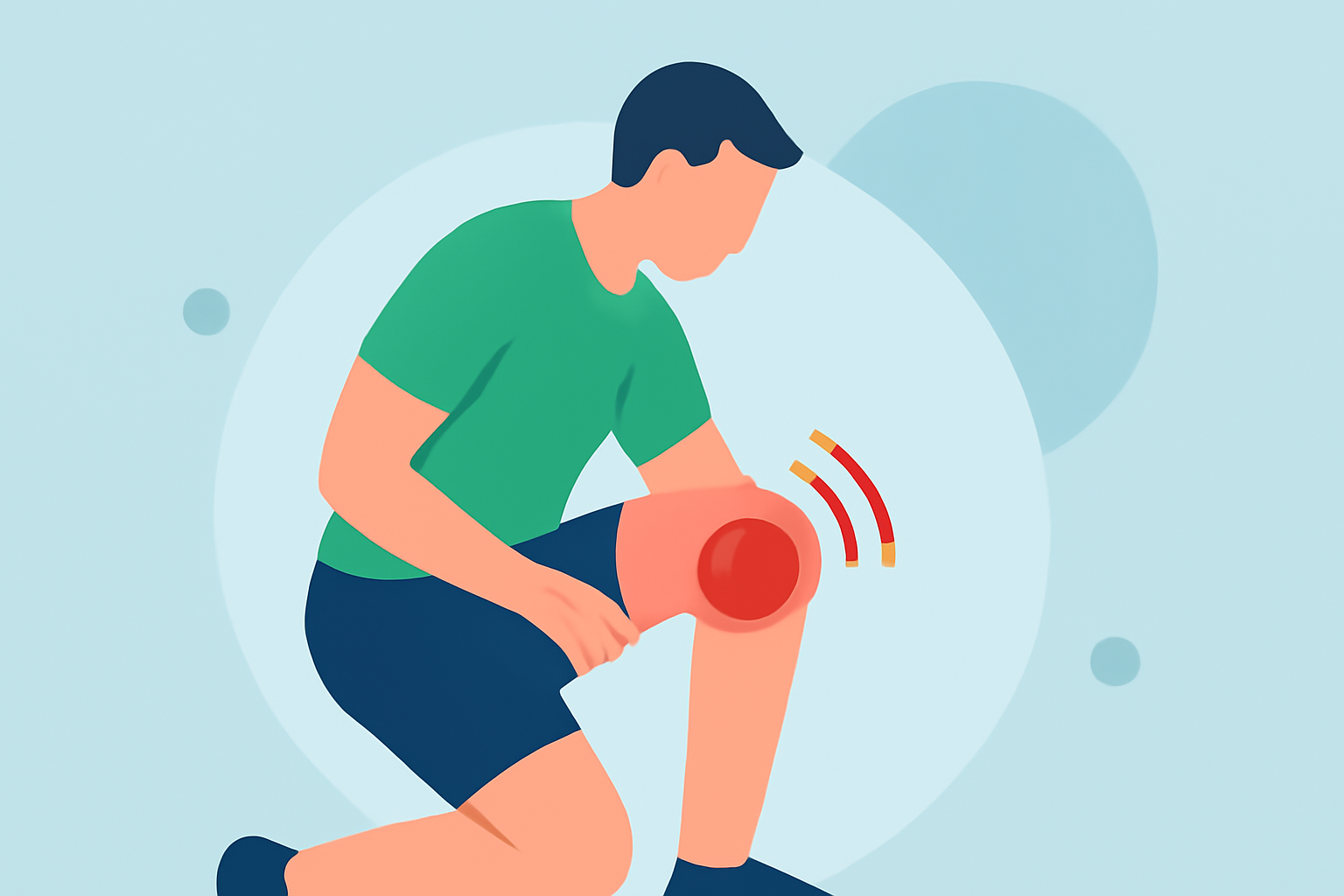
Managing joint pain is crucial for athletes, especially as weather changes can have a significant impact. Understanding how different weather conditions affect joint pain can help athletes prepare and optimize their performance. At Clime, we offer robust weather data that can inform you about conditions that may influence physical comfort and performance.
Summary
- Weather can significantly impact joint pain, particularly in cold, damp conditions.
- Athletes can take proactive steps, like adjusting their training and using weather data to mitigate discomfort.
- Clime provides detailed weather forecasts and environmental data, supporting athletes in managing their joint health.
How Does Weather Affect Joint Pain?
Research indicates that changes in weather, particularly during colder months, may exacerbate joint pain, especially in individuals with arthritis. A study found that around 67.2% of people with osteoarthritis believed that weather conditions, such as cold and humidity, influenced their joint discomfort (Healthline). This is largely attributed to swelling in the joints and a subsequent decrease in mobility during colder, damp days.
Cold Weather and Joint Stiffness
Cold weather can lead to increased stiffness in muscles and ligaments. Athletes often report feeling more discomfort in their joints during these conditions. Cold air can cause muscles to tighten and may hinder fluid movement in joints, affecting flexibility and performance. Therefore, awareness of the temperature can help in strategizing warm-up routines and overall training approaches.
Humidity's Role in Joint Pain
Humidity levels play a role, too. High humidity combined with low temperatures can aggravate joint pain. Various studies suggest that the impact of humidity on discomfort increases significantly when paired with cold weather (Cleveland Clinic). Thus, athletes may want to adjust their hydration and recovery strategies based on local weather conditions.
Pre-Workout Strategies for Cold Weather
To combat joint stiffness during cold weather, incorporating active warm-ups and stretching exercises is beneficial. Preparing the body for activity can mitigate the discomfort often associated with cold, damp conditions. Athletes should consider pre-workout routines tailored to warming up specific joints that are prone to pain. Furthermore, utilizing Clime's weather forecasts can help you schedule workouts during optimal conditions, potentially avoiding the most uncomfortable times.
Recovery Tips for Rainy or Cold Days
When weather conditions are suboptimal, recovery becomes key. Strategies such as hot baths, heating pads, or topical pain relievers may ease discomfort. Proper hydration is essential, as cold weather can often mask thirst. Monitoring humidity levels alongside temperature informs better hydration practices. Athletes often find that incremental adjustments lead to significant improvements in how they cope with joint pain during adverse weather.
Using Weather Data to Plan Training
At Clime, we provide detailed weather forecasts that include temperature, humidity levels, and even barometric pressure. This information empowers athletes to make informed decisions about training schedules and techniques. By understanding when and how weather conditions affect joint health, athletes can be proactive rather than reactive.
Conclusion: What We Recommend
- Be aware of weather changes and their potential impact on joint pain. Schedule workouts accordingly.
- Utilize active warm-up routines tailored to specific joints, especially in cold or damp weather.
- Leverage Clime’s detailed forecasts to optimize training plans and recovery strategies during unfavorable weather conditions.
- Consider individual responses to weather changes and adjust hydration and stretching practices for joint health.
By staying informed and using reliable weather data, athletes can better manage joint pain and enhance their performance throughout the year.