
Understanding Lightning Strike Alerts for Drivers: Essential Safety Measures
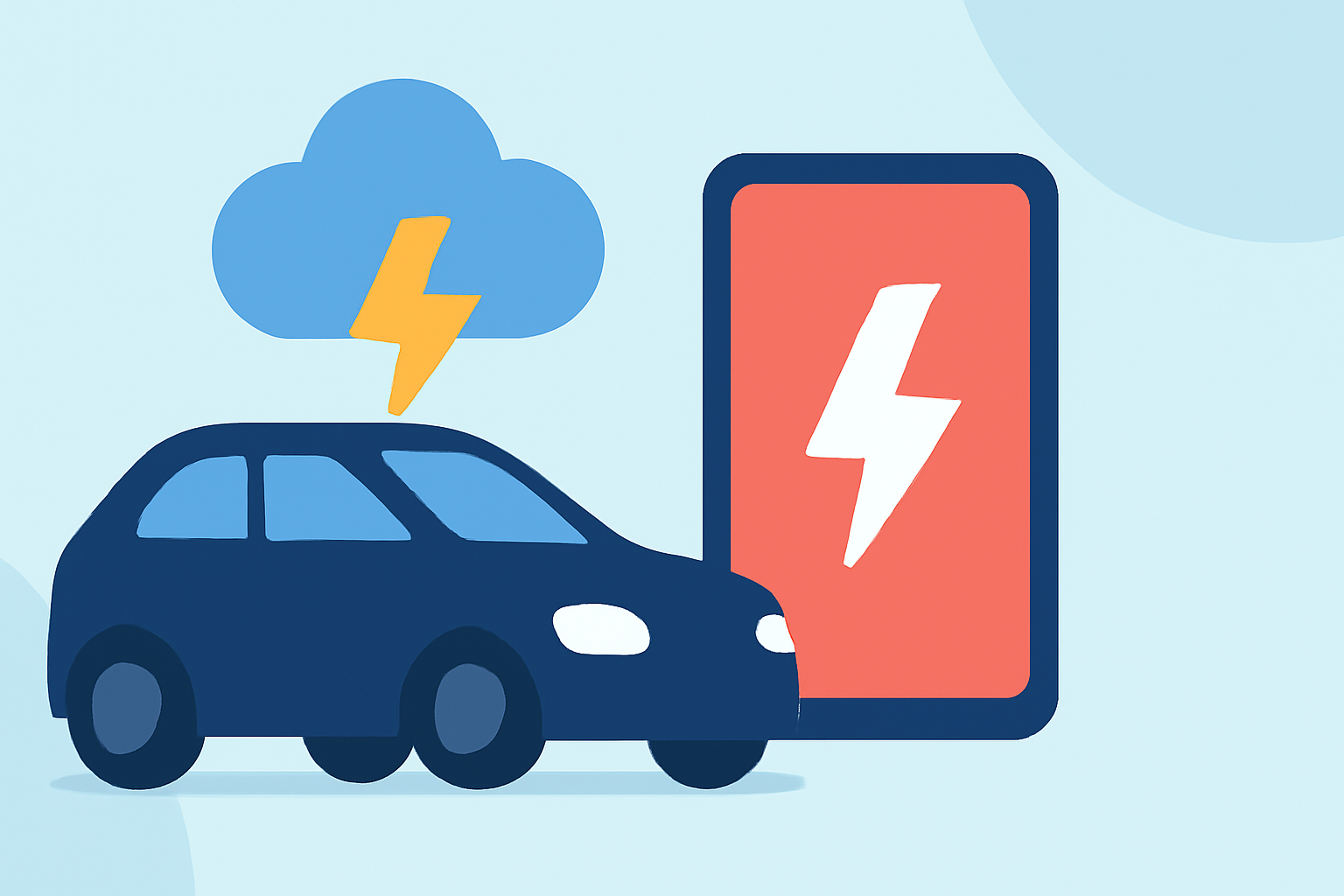
Driving during thunderstorms poses significant risks due to lightning strikes. Understanding lightning strike alerts and implementing safety measures can enhance driver safety.
What Are Lightning Strike Alerts?
Lightning strike alerts are notifications that inform individuals when lightning strikes occur within a specified area. These alerts can be delivered via email, text message, or phone call, providing real-time information to help individuals take appropriate safety precautions. Services like iAlert offer lightning detection alerts for various U.S. locations, delivering notifications the moment a lightning strike is detected within a configurable radius. (ialert.com)
How Do Lightning Strike Alerts Benefit Drivers?
For drivers, receiving timely lightning strike alerts can:
-
Enhance Safety: By being informed of nearby lightning activity, drivers can make informed decisions about their travel plans.
-
Prevent Accidents: Awareness of severe weather conditions can prompt drivers to reduce speed, increase following distance, or seek shelter, reducing the likelihood of accidents.
-
Protect Vehicles: Lightning can cause vehicle damage, such as electrical system failures. Alerts can help drivers take preventive measures.
How to Receive Lightning Strike Alerts While Driving
To stay informed about lightning activity during your drive:
-
Subscribe to Alert Services: Choose a service that offers real-time lightning detection alerts for your area.
-
Set Up Notifications: Configure alerts to be sent to your mobile device via text message or app notifications.
-
Use Mobile Apps: Some weather apps provide lightning strike alerts and real-time weather updates. Ensure the app is set to notify you of lightning activity in your vicinity.
Safety Tips for Drivers During Thunderstorms
When driving in areas with lightning activity:
-
Seek Shelter: If possible, pull over to a safe location and wait until the storm passes.
-
Avoid Water: Stay away from bodies of water, as lightning can strike water and cause dangerous conditions.
-
Stay Informed: Keep updated with weather conditions through reliable sources.
-
Use Vehicle Safety Features: Modern vehicles may have features that assist during adverse weather conditions.
Conclusion
Staying informed about lightning activity through alerts and adhering to safety practices can significantly reduce the risks associated with driving during thunderstorms. By taking proactive measures, drivers can ensure their safety and the safety of others on the road.