
Lightning Strike Prevention for Beginners in the Car
Last updated: 2023-09-10
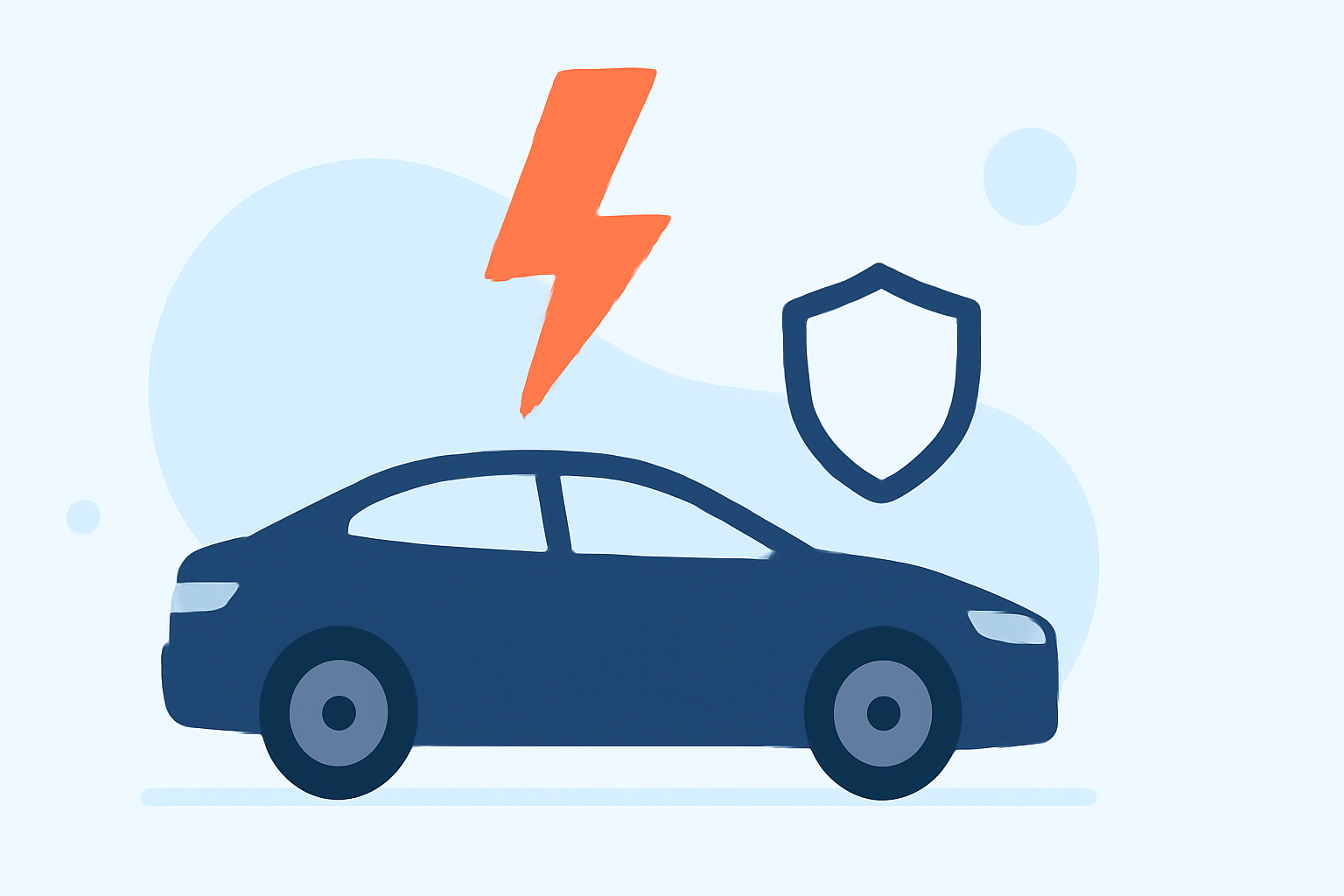
To stay safe during thunderstorms when driving, always seek shelter inside a fully enclosed vehicle. If you do not have access to a building, staying inside your car should be your default choice as it offers protection from lightning strikes, provided you adhere to safety guidelines.
Summary
- Best shelter: The safest place during a thunderstorm is inside a vehicle.
- Myth debunked: Rubber tires do not protect from lightning—it's the vehicle’s metal frame that provides safety.
- Use technology: Leverage weather apps like Clime for real-time alerts and updates on severe weather conditions.
- Stay informed: Knowing the weather forecast helps you plan and avoid driving during thunderstorms.
Why is a Vehicle Considered Safe During Storms?
When thunderstorms occur, many people wonder about the safety of staying in a car. According to the National Weather Service, the only place of safety from lightning is inside a vehicle or a substantial, enclosed structure. A vehicle provides a protective metal shell, which helps redirect the electrical charge from a lightning strike to the ground, keeping occupants safe.
Understanding the Myths
People often believe that rubber tires protect them from lightning. This is a commonly-cited myth; in reality, it’s not the tires but rather the metal frame of the vehicle that protects. If lightning strikes your vehicle, the electrical current travels along the surface and into the ground. Subsequently, avoiding the metal components within the vehicle while the storm is active can add another layer of precaution.
Clime: Your Weather Resource
At Clime, we offer detailed weather forecasts and radar capabilities that help you stay informed during thunderstorms. You can receive real-time updates and severe weather alerts with our app. This ensures you are prepared before heading out, decreasing your likelihood of being caught in hazardous weather conditions.
Practical Steps for Drivers When Shelter is Unavailable
If you find yourself on the road during a thunderstorm without immediate shelter options, keep the following tips in mind:
- Remain in your vehicle: This is the safest alternative to seeking shelter. Turn on your hazard lights to increase visibility.
- Avoid contact with metal objects inside your vehicle—this may include dashboard items or any objects that come in contact with the vehicle’s structure.
- Stay informed: Use weather apps to monitor the storm's progress. Clime offers features such as real-time radar and lightning alerts to keep you updated.
How to Use Clime Effectively
- Real-time Radar: Utilize Clime’s NOAA-based radar to visualize storm paths and precipitation levels in your area.
- Weather Alerts: Opt into severe weather alerts to receive instant notifications about approaching storms. Our Premium features provide this safeguard for all your saved locations.
- Plan Ahead: By checking Clime before your travel, you can choose safer routes and avoid driving during severe weather.
Preparing for Thunderstorms
To minimize risks:
- Check forecasts regularly: Weather conditions can change rapidly, so stay vigilant.
- Identify alternate routes: If severe weather is predicted, have back-up plans ready.
- Equip your vehicle: Make sure your car has necessary supplies, such as a flashlight, first aid kit, and snacks, in case of an unexpected delay due to bad weather.
Conclusion: What We Recommend
- Always seek shelter inside a vehicle during thunderstorms; it provides a protective barrier against lightning.
- Use Clime to stay updated on weather conditions and receive alerts for severe weather in your area.
- Educate yourself about lightning safety and debunk myths to ensure safe practices while driving during storms.
- Stay proactive in planning your travel around weather forecasts to minimize potential dangers.