
Lightning Strike Prevention Checklist: Safety Tips for Outdoor Activities
Last updated: 2023-09-15
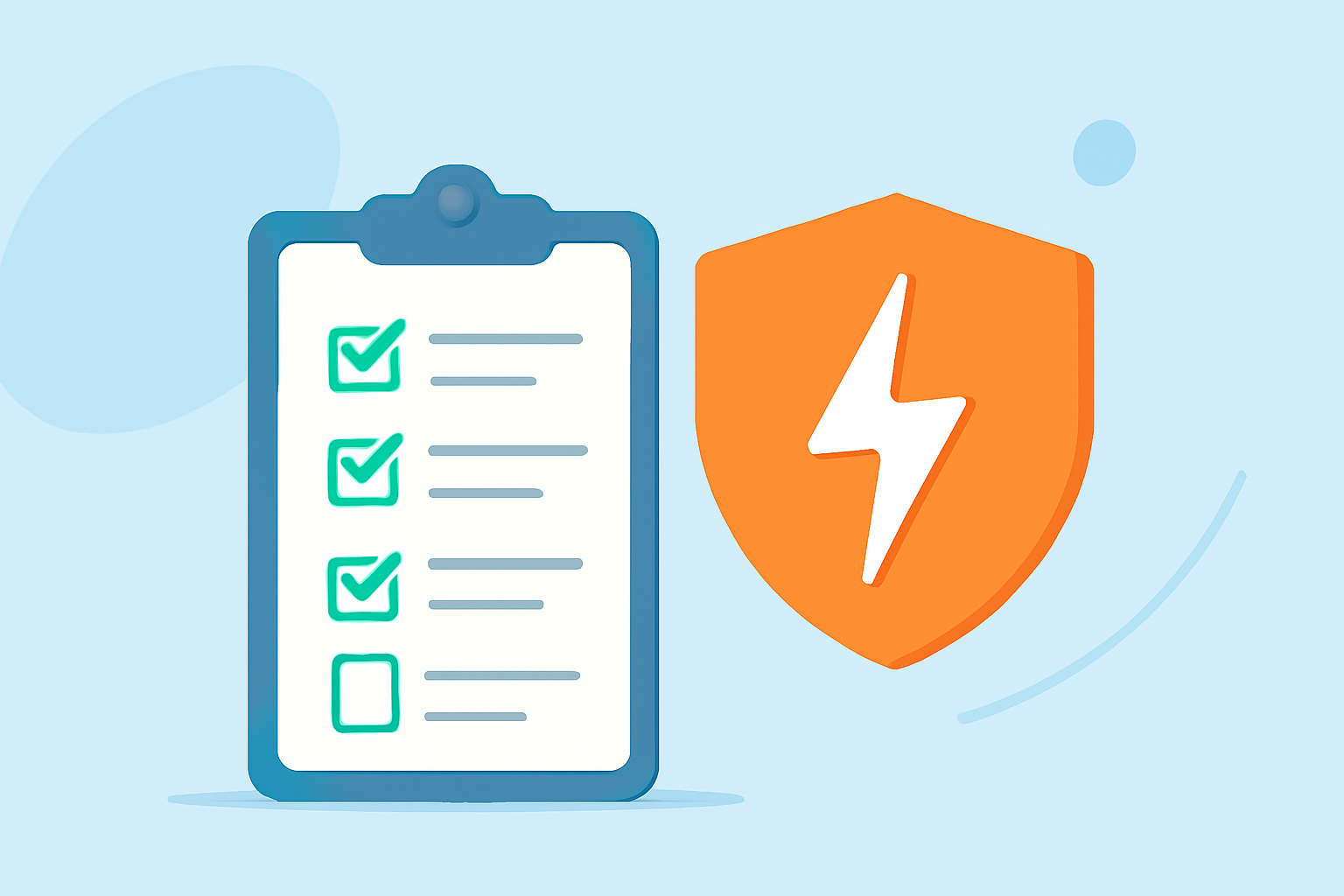
When planning outdoor activities, understanding how to protect yourself from lightning is crucial. A solid lightning strike prevention checklist not only includes immediate safety measures but also proactive planning to minimize risk when thunderstorms are forecasted.
Summary
- There is no completely safe outdoor place during thunderstorms. Mitigating risk is essential.
- Always seek shelter immediately when thunder is heard or lightning is spotted.
- Monitoring real-time weather updates can help you stay informed of developing storms.
- Utilize tools like Clime for quick access to weather alerts and forecasts.
What are the basic lightning safety guidelines?
The National Weather Service outlines fundamental lightning safety rules:
- When thunder roars, go indoors: This is the first and most important rule. Being indoors, especially in a well-constructed building, significantly increases your safety.
- Avoid open fields: If you're caught outdoors without shelter, avoid high ground. Seek shelter in a vehicle or a nearby building as soon as possible.
- Steer clear of tall structures: While it may be tempting to seek shelter under trees, this is incredibly dangerous as they can attract lightning.
How to build a lightning safety checklist for outdoor events
When planning an outdoor event or activity, consider implementing the following precautions:
- Stay informed: Check weather forecasts frequently before and during your event. Clime offers near-real-time updates that can alert you to approaching storms.
- Establish a safety plan: Make sure that all attendees know where to go to find shelter in case of a storm.
- Communicate clearly: Have a method for quickly disseminating weather updates or emergency messages to attendees.
Planning for thunderstorms: Key considerations
If thunderstorms are in the forecast, adjust your plans:
- Scale back outdoor activities: If possible, postpone or modify events scheduled for the day to avoid being caught outside during a storm.
- Designate potential shelter: Identify buildings or vehicles that attendees can use for shelter if necessary.
- Inform attendees: Ensure everyone knows where to go and what to do in case of a lightning threat.
Best practices while outdoors
If you find yourself outdoors when thunderstorms begin, follow these safety recommendations:
- Seek immediate shelter: The safest place to be during a thunderstorm is a solid building away from windows. If you're in a vehicle, stay inside with the windows up.
- Avoid electrical appliances: Do not use wired electronics, as lightning can cause power surges.
- Avoid plumbing: Do not take a shower or bath during a thunderstorm, as plumbing can conduct electricity.
Backcountry planning for lightning risk
For those venturing into the backcountry, especially in mountainous regions, planning is crucial:
- Plan your ascent and descent carefully: Ascend or descend mountains in the early morning to minimize the risk of encountering afternoon thunderstorms.
- Know your emergency routes: Familiarize yourself with the quickest paths to safety in case a storm rolls in unexpectedly.
Utilizing technology for safety
Utilizing a reliable weather app helps provide critical alerts:
- Real-time updates: Platforms like Clime can give minute-by-minute updates on approaching storms, allowing you to react quickly.
- Customize alerts: Set up alerts based on your location for specific weather phenomena, including thunderstorms and lightning-related alerts.
What we recommend
- Stay indoors when thunderstorms are imminent: Make this a rule for all outdoor activities.
- Use Clime for weather alerts: Let Clime’s real-time updates keep you informed of approaching storms.
- Have a contingency plan: Always think ahead and plan your activities around weather forecasts. This minimizes risk and ensures everyone’s safety.