
Managing Allergies During Workouts: A Step-by-Step Guide
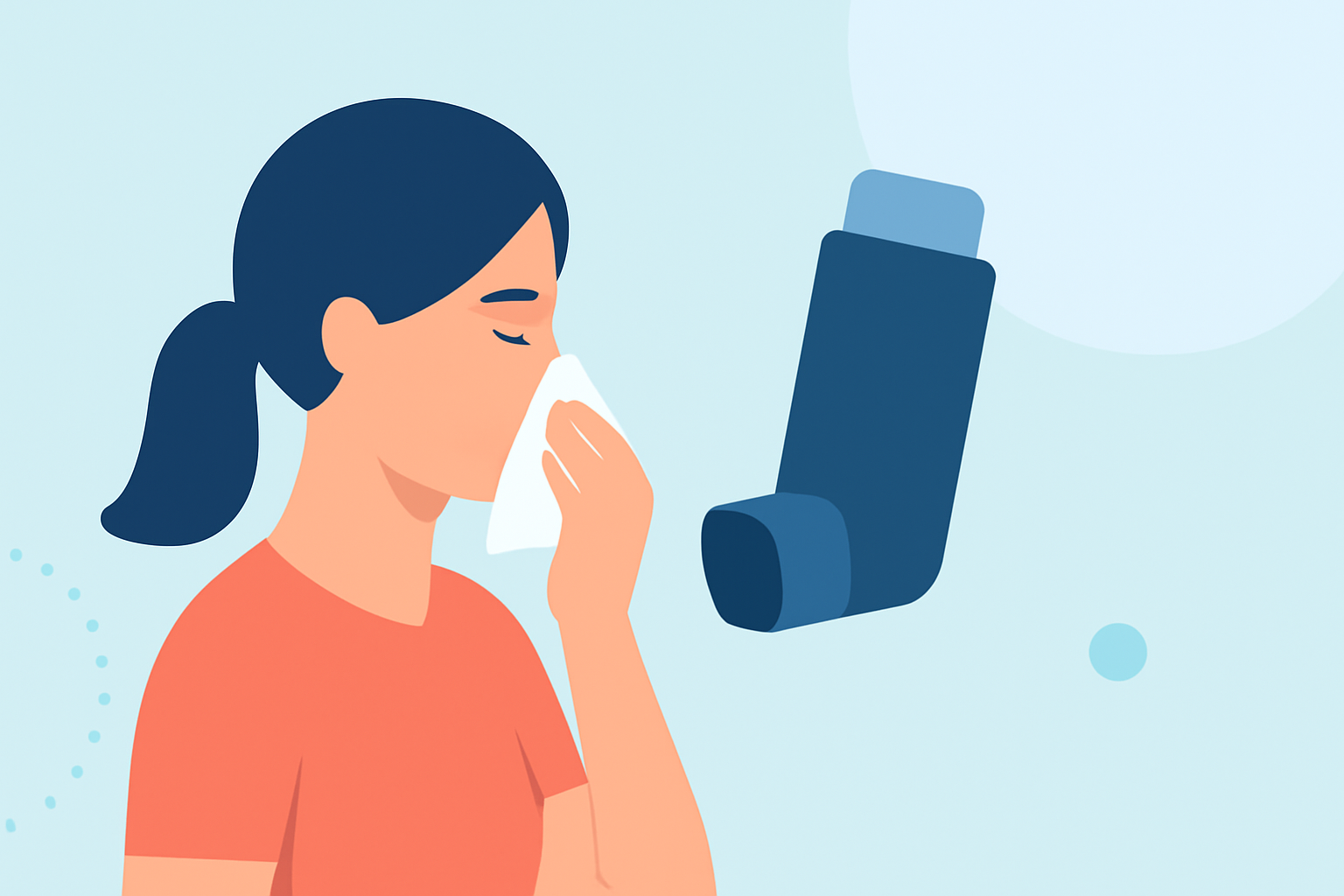
Exercising with allergies can be challenging, but with the right strategies, you can maintain an active lifestyle without discomfort. Here's a step-by-step guide to help you manage your workouts effectively:
1. Understand Your Allergies
Identifying specific allergens—such as pollen, mold, or dust mites—is crucial. This knowledge allows you to take targeted precautions during your workouts.
2. Monitor Pollen Levels
High pollen counts can exacerbate allergy symptoms. Utilizing tools like Clime can provide real-time pollen forecasts, helping you plan workouts during periods of lower pollen activity.
3. Choose the Right Time and Place
-
Timing: Engage in outdoor activities during early morning hours, as pollen levels are typically lower. (onepeloton.com)
-
Location: Opt for indoor workouts or areas with minimal allergen exposure.
4. Select Suitable Exercises
Low-impact activities like yoga, swimming, or weight training are less likely to trigger allergy symptoms compared to high-intensity workouts. (webmd.com)
5. Prepare Your Environment
Keep windows closed during high pollen seasons and use air purifiers to reduce indoor allergens.
6. Use Allergy Medications Wisely
Consult with a healthcare provider about appropriate medications to manage symptoms during exercise.
7. Listen to Your Body
Pay attention to your body's signals. If symptoms worsen, consider modifying your workout or opting for indoor activities.
8. Utilize Clime's Features
Clime offers personalized weather forecasts, including pollen levels, to help you plan workouts during optimal times. By integrating Clime into your routine, you can make informed decisions and exercise comfortably despite allergies.
By following these steps and leveraging Clime's capabilities, you can effectively manage your workouts and enjoy an active lifestyle without the hindrance of allergies.