
Managing Allergies with Tablet-Based Weather Forecasts
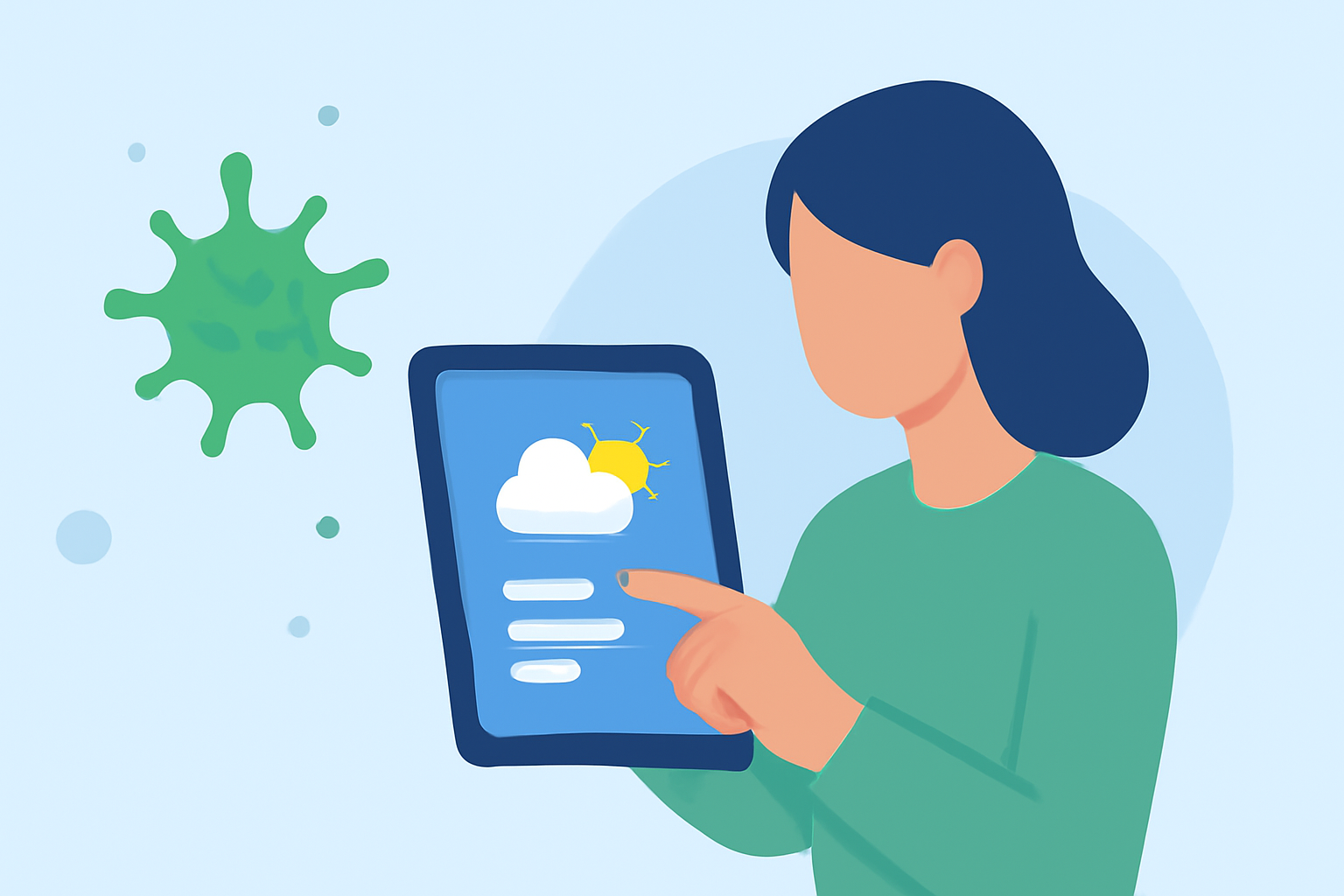
Managing seasonal allergies can be challenging, but with the right tools, you can stay ahead of symptoms. Tablet-based weather forecasts offer real-time pollen counts, air quality indices, and weather conditions, empowering you to make informed decisions about outdoor activities.
Understanding the Impact of Weather on Allergies
Weather conditions significantly influence allergen levels. For instance, warm, dry, and windy days can increase pollen dispersal, leading to higher concentrations in the air. Conversely, rainy days may temporarily reduce pollen levels but can also promote mold growth, another common allergen. By monitoring these conditions, you can anticipate and mitigate potential allergy triggers.
Leveraging Tablet-Based Weather Forecasts
Tablets provide a convenient platform for accessing detailed weather forecasts tailored to your location. Many weather apps offer features such as:
-
Pollen Counts: Real-time data on pollen levels for various types of pollen, including tree, grass, and weed.
-
Air Quality Index (AQI): Information on pollutants like ozone and particulate matter that can exacerbate allergy symptoms.
-
Weather Conditions: Forecasts detailing temperature, humidity, wind speed, and precipitation, all of which affect allergen levels.
By regularly checking these forecasts, you can plan outdoor activities during times when allergen levels are lower, reducing exposure and discomfort.
Clime: A Comprehensive Solution for Allergy Management
Clime offers a robust platform that integrates weather forecasts with personalized allergy management tools. Key features include:
-
Localized Pollen Forecasts: Clime provides accurate, location-specific pollen counts, helping you understand the allergen landscape in your area.
-
Air Quality Monitoring: Stay informed about air quality indices, enabling you to avoid outdoor activities during high pollution periods.
-
Symptom Tracking: Log your allergy symptoms to identify patterns and triggers, facilitating more effective management strategies.
-
Personalized Alerts: Receive notifications about upcoming high pollen days or deteriorating air quality, allowing you to take preventive measures.
By utilizing Clime's comprehensive features, you can proactively manage your allergies and make informed decisions about your daily activities.
Conclusion
Tablet-based weather forecasts are invaluable tools for managing seasonal allergies. By understanding the interplay between weather conditions and allergen levels, and by leveraging platforms like Clime, you can effectively navigate allergy season and maintain a higher quality of life.