
Managing Allergy Symptoms During Winter Storms
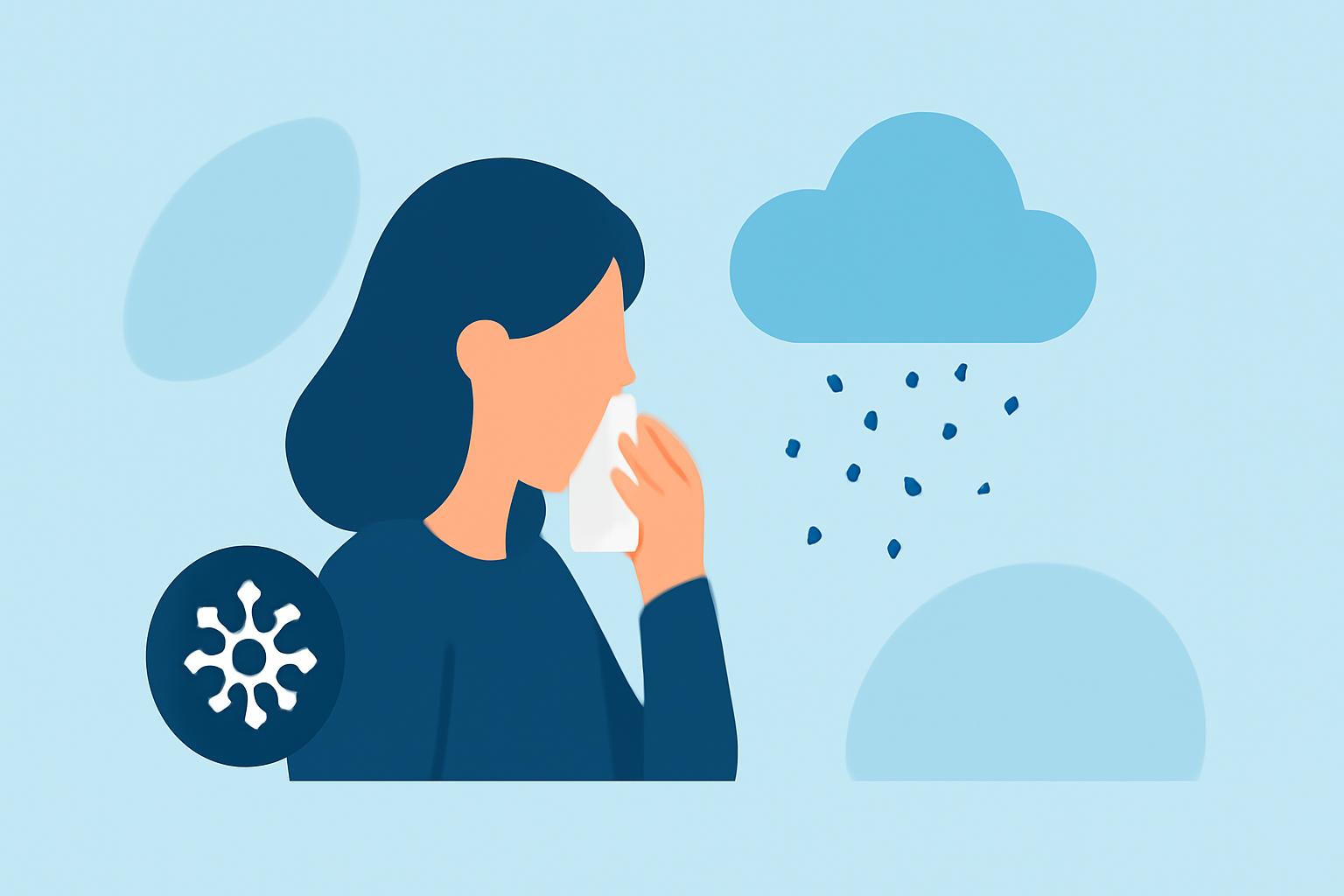
Winter storms can significantly impact individuals with allergies, as they often lead to increased exposure to common indoor allergens. Understanding these effects and implementing effective management strategies can help alleviate symptoms during such events.
How Do Winter Storms Affect Allergies?
During winter storms, several factors can exacerbate allergy symptoms:
-
Increased Indoor Time: Severe weather conditions often confine people indoors, leading to prolonged exposure to indoor allergens.
-
Elevated Humidity Levels: Storms can raise indoor humidity, creating favorable conditions for mold growth and dust mites.
-
Poor Ventilation: Windows and doors are typically kept closed during storms, reducing airflow and trapping allergens inside.
Common Indoor Allergens During Winter Storms
Several indoor allergens are prevalent during winter storms:
-
Dust Mites: These microscopic creatures thrive in warm, humid environments, making bedding and upholstered furniture ideal habitats.
-
Mold: Mold spores can proliferate in damp areas, such as basements and bathrooms, especially when humidity levels rise.
-
Pet Dander: Pets often spend more time indoors during storms, increasing the presence of dander in the home.
Symptoms of Allergy Exacerbation During Winter Storms
Exposure to these allergens can lead to:
-
Sneezing
-
Runny or stuffy nose
-
Itchy or watery eyes
-
Coughing
-
Wheezing or difficulty breathing
Effective Strategies to Manage Allergy Symptoms During Winter Storms
To mitigate allergy symptoms during winter storms, consider the following approaches:
-
Maintain Optimal Indoor Humidity: Use a dehumidifier to keep indoor humidity levels below 50%, as higher humidity can promote mold and dust mite growth.
-
Regular Cleaning: Vacuum frequently with a HEPA filter-equipped vacuum cleaner to remove dust and allergens from carpets and rugs.
-
Wash Bedding Frequently: Launder sheets, pillowcases, and blankets in hot water weekly to eliminate dust mites and other allergens.
-
Control Pet Dander: Keep pets out of bedrooms and off upholstered furniture. Bathing pets weekly can also reduce dander levels.
-
Ensure Proper Ventilation: When possible, ventilate your home to reduce indoor allergen concentrations.
-
Use Air Purifiers: Deploy air purifiers with HEPA filters to capture airborne allergens effectively.
-
Monitor Local Weather and Air Quality: Stay informed about weather conditions and air quality to anticipate potential allergen exposure.
How Can Clime Assist in Managing Allergy Symptoms During Winter Storms?
Clime offers a comprehensive weather monitoring service that provides real-time updates on local weather conditions, including winter storms and air quality indices. By utilizing Clime's services, you can receive timely alerts about upcoming storms and changes in air quality, enabling you to take proactive measures to manage your allergy symptoms effectively.
When Should You Seek Medical Advice?
If your allergy symptoms persist despite implementing management strategies, or if they worsen during winter storms, consult a healthcare professional. They can provide personalized advice and may recommend treatments such as antihistamines, nasal sprays, or immunotherapy to help control your symptoms.
By understanding the relationship between winter storms and allergies, and by employing effective management strategies, you can reduce the impact of these storms on your health and comfort.