
Managing Allergy Symptoms During Winter Storms: A Comprehensive Guide
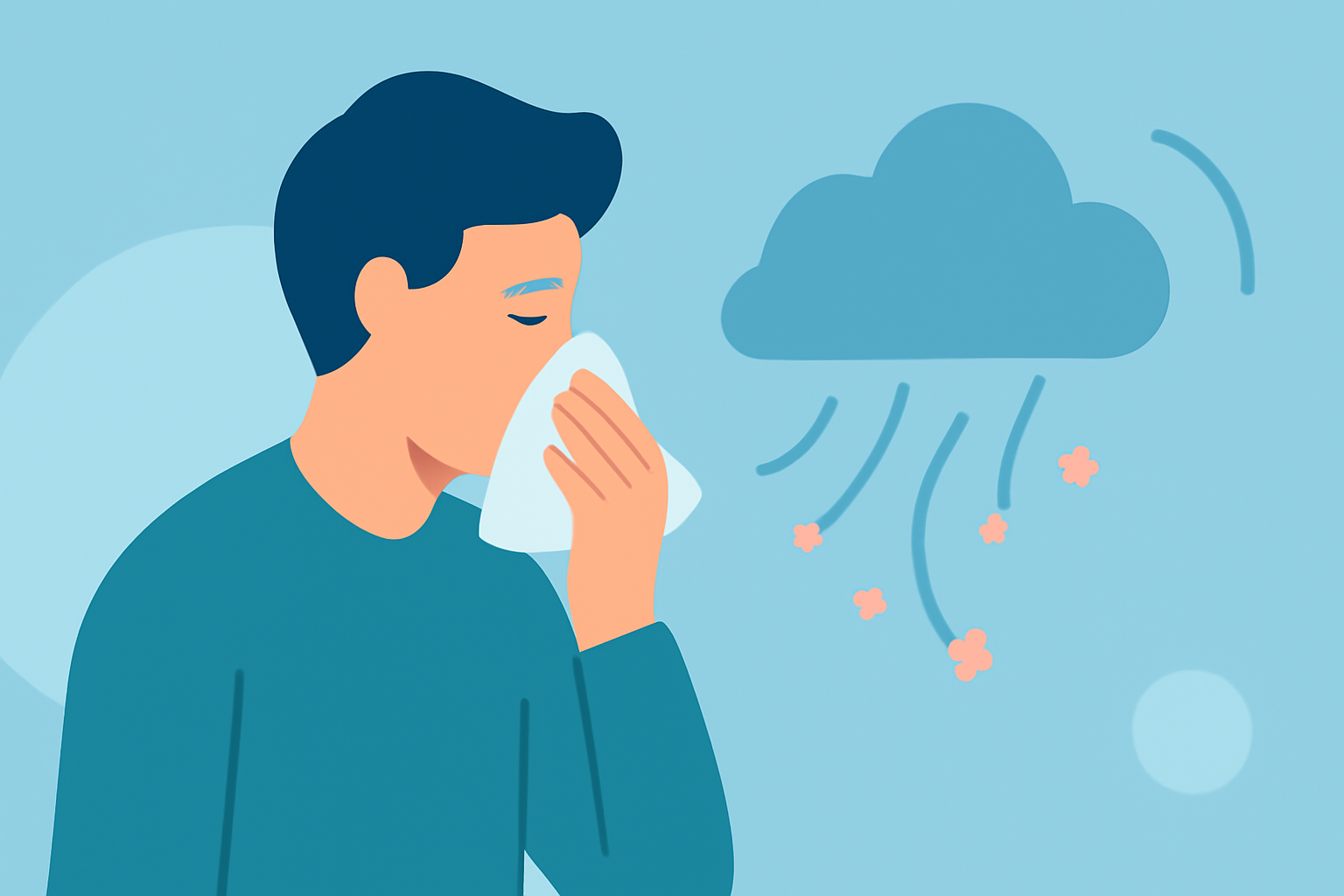
Winter storms can exacerbate allergy symptoms, especially for those sensitive to indoor allergens. Understanding these triggers and implementing effective management strategies is crucial for maintaining comfort and health during the colder months.
Common Allergy Triggers During Winter Storms
While winter storms themselves don't directly cause allergies, they can influence indoor environments, leading to increased exposure to common allergens:
-
Dust Mites: These microscopic organisms thrive in warm, humid conditions. During winter, the use of heating systems can create an environment conducive to dust mite proliferation. Their waste products become airborne, triggering allergic reactions. (webmd.com)
-
Mold: Mold spores are prevalent in damp areas. Winter storms can introduce moisture into homes, especially if there's water intrusion. This moisture can lead to mold growth, releasing spores into the air and exacerbating allergy symptoms. (webmd.com)
-
Pet Dander: With colder temperatures, pets are often kept indoors, increasing the concentration of pet dander in the home. This can be a significant allergen for many individuals. (webmd.com)
Preventive Measures to Manage Allergy Symptoms
To mitigate allergy symptoms during winter storms, consider the following strategies:
-
Maintain Indoor Air Quality: Use dehumidifiers to control indoor humidity levels, making the environment less hospitable to dust mites and mold. Ensure that your heating system is clean and well-maintained to prevent the circulation of allergens.
-
Regular Cleaning: Vacuum carpets and upholstery frequently using a vacuum cleaner equipped with a HEPA filter. Wash bedding and curtains in hot water to eliminate dust mites.
-
Control Pet Dander: If possible, designate certain areas of the home as pet-free zones, such as bedrooms and air-tight rooms. Regularly bathe and groom pets to reduce dander.
-
Monitor Weather Conditions: Stay informed about weather patterns, especially during winter storms, as they can affect indoor humidity and allergen levels.
Leveraging Clime's Weather Tracking for Allergy Management
Clime offers advanced weather tracking features that can assist in managing allergy symptoms during winter storms:
-
Real-Time Weather Updates: Clime provides accurate and timely weather forecasts, helping you anticipate changes that may impact indoor conditions.
-
Humidity Monitoring: Clime's tools allow you to monitor indoor humidity levels, enabling you to make adjustments to maintain an environment less conducive to allergens.
-
Severe Weather Alerts: Receive notifications about upcoming winter storms, allowing you to prepare your home and take necessary precautions to minimize allergen exposure.
Conclusion
While winter storms can indirectly affect indoor environments, leading to increased allergen exposure, proactive management can significantly reduce symptoms. By understanding common triggers and utilizing tools like Clime for weather tracking, you can create a healthier indoor environment during the winter months.
Highlights:
- Learn More About Winter Allergies, Published on Sunday, January 25
- Are Winter Allergies a Thing?, Published on Sunday, January 21
- Winter Allergies | Symptoms and Treatment | Allergy Insider