
Managing Arthritis: Common Weather-Related Mistakes to Avoid
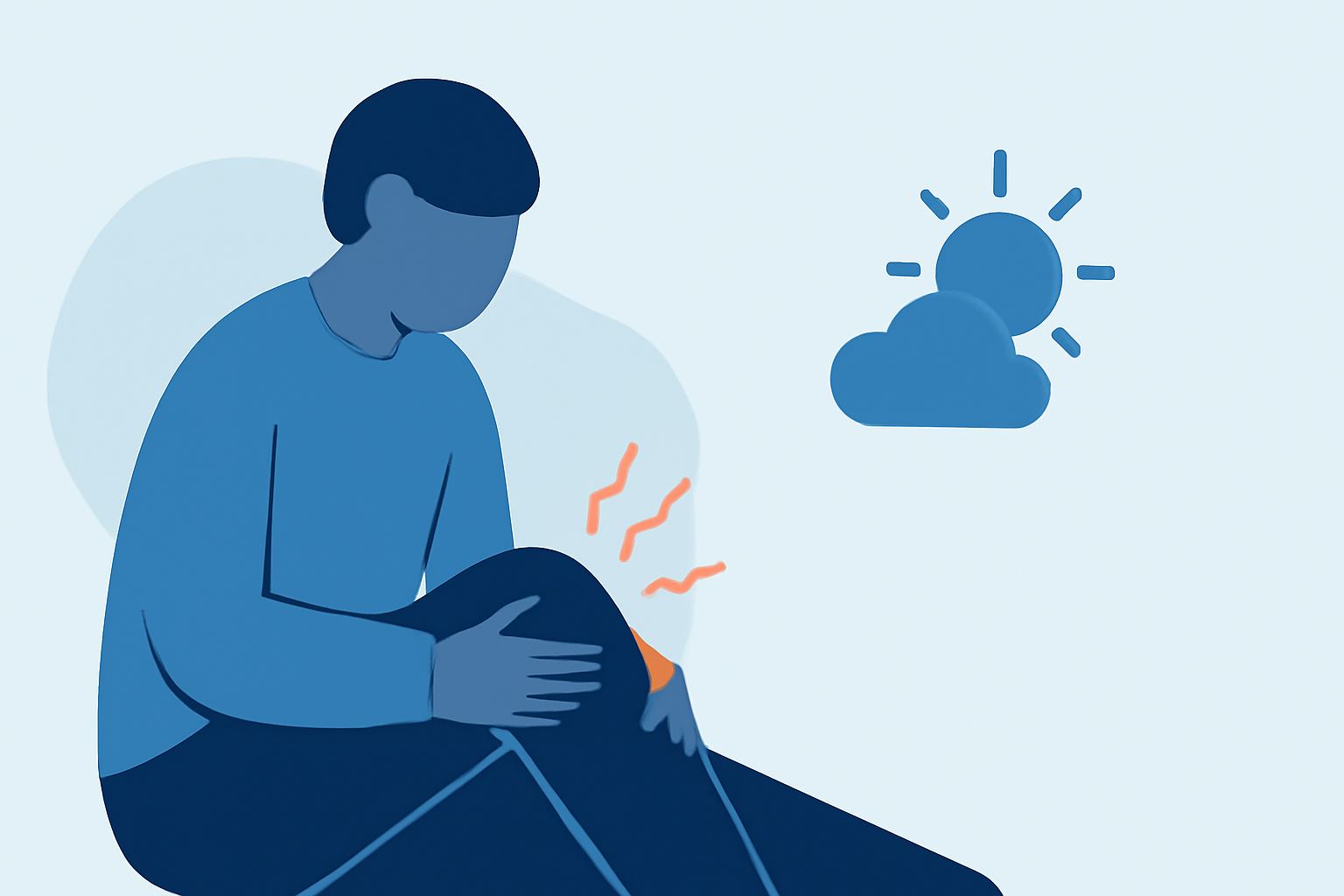
Arthritis sufferers often notice that weather changes can influence their joint pain. Understanding these effects and adopting proactive strategies can significantly improve comfort and mobility.
How Does Weather Affect Arthritis?
Many individuals with arthritis report increased pain and stiffness during certain weather conditions. Factors such as temperature fluctuations, humidity levels, and barometric pressure changes can all play a role. For instance, cold and damp conditions may lead to joint stiffness, while high humidity can exacerbate swelling. (healthline.com)
Common Mistakes to Avoid
- Neglecting to Monitor Weather Forecasts
Failing to stay informed about upcoming weather changes can leave you unprepared for potential arthritis flare-ups. Regularly checking local forecasts allows you to anticipate and manage symptoms effectively.
- Dressing Inappropriately for the Weather
Not dressing in layers or wearing insufficient clothing during cold or damp conditions can lead to increased joint discomfort. It's essential to keep joints warm to prevent stiffness. (arthritis.org)
- Reducing Physical Activity During Adverse Weather
While it's tempting to stay inactive during unfavorable weather, maintaining regular, low-impact exercise is crucial. Physical activity helps keep joints flexible and can reduce pain. (health.clevelandclinic.org)
- Ignoring the Importance of Hydration
Dehydration can worsen joint pain. It's important to drink enough fluids throughout the day, regardless of the weather, to maintain joint lubrication. (healthline.com)
- Overlooking the Benefits of Heat Therapy
Applying heat to affected joints can alleviate pain and stiffness. Utilizing heating pads, warm baths, or thermal wraps can provide immediate relief. (franciscanhealth.org)
Effective Strategies for Managing Weather-Related Arthritis Symptoms
-
Stay Active: Engage in regular, low-impact exercises like walking, swimming, or yoga to maintain joint flexibility and reduce stiffness. (health.clevelandclinic.org)
-
Dress Appropriately: Layer your clothing to adjust to changing temperatures and keep joints warm. Pay special attention to extremities by wearing gloves, hats, and scarves. (arthritis.org)
-
Monitor Weather Forecasts: Keep an eye on local weather reports to anticipate changes that may affect your arthritis symptoms. This proactive approach allows for timely adjustments to your routine.
-
Utilize Heat Therapy: Apply heat to painful joints to increase blood flow and reduce stiffness. Methods include using heating pads, warm baths, or thermal wraps. (franciscanhealth.org)
-
Maintain Hydration: Ensure adequate fluid intake to keep joints lubricated and reduce discomfort. Dehydration can exacerbate joint pain. (healthline.com)
Conclusion
While weather changes can impact arthritis symptoms, being proactive and adopting these strategies can help manage discomfort effectively. By staying informed, dressing appropriately, maintaining physical activity, and utilizing heat therapy, you can navigate weather-related challenges with greater ease.
Highlights:
- Navigating Winter Weather: 5 Tips for Arthritis Patients | Johns Hopkins Rheumatology - YouTube, Published on Tuesday, November 02