
Managing Asthma During Adverse Weather Conditions
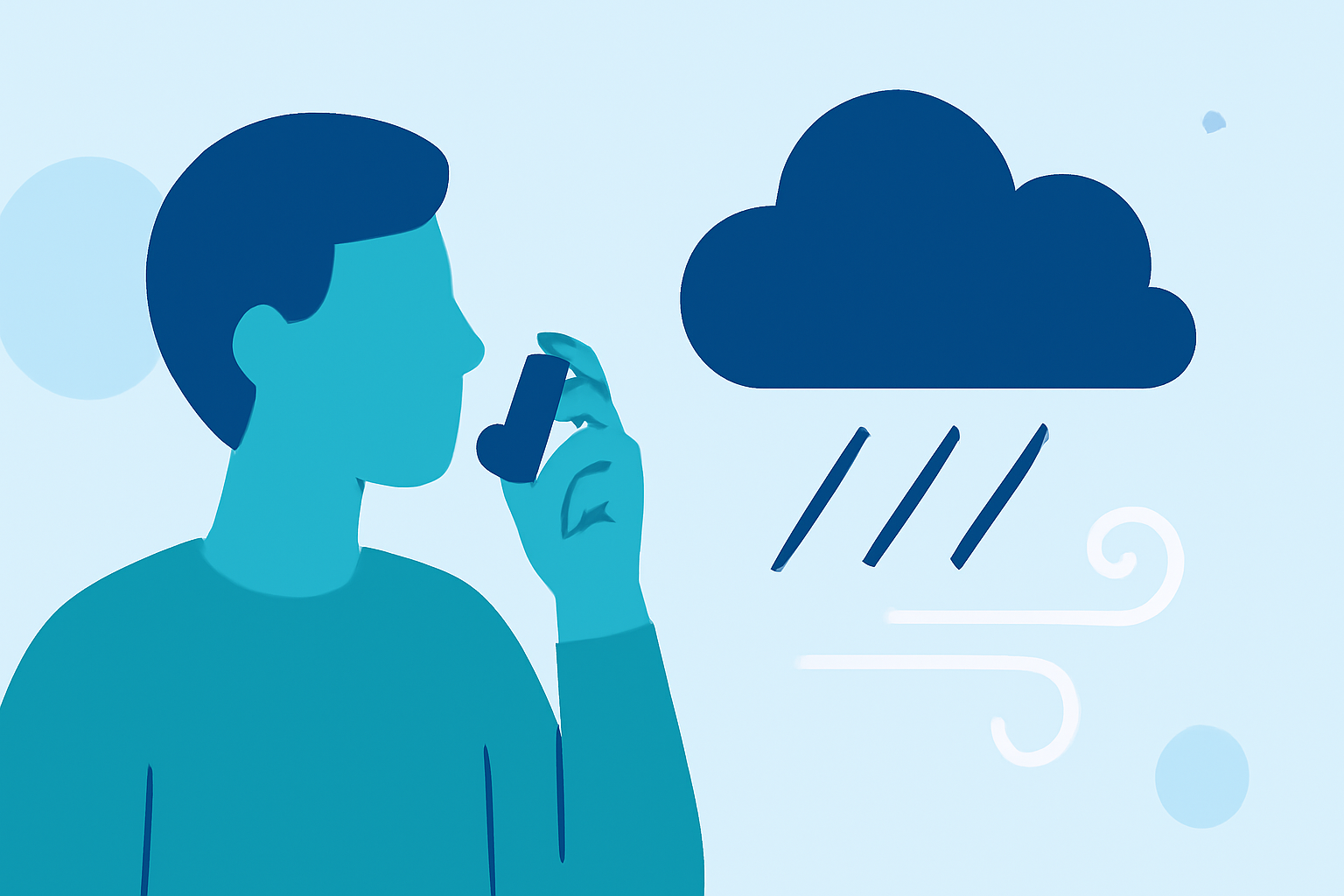
Asthma is a chronic respiratory condition that can be significantly affected by weather conditions. Understanding how different weather events impact asthma and taking appropriate precautions can help manage symptoms effectively.
How Does Weather Affect Asthma?
Certain weather conditions can exacerbate asthma symptoms by introducing or increasing exposure to triggers such as allergens, pollutants, and irritants. Being aware of these conditions and their potential impact is crucial for asthma management.
What Are the Common Weather-Related Asthma Triggers?
-
High Ozone Levels: Elevated ground-level ozone concentrations can irritate the airways, leading to asthma exacerbations. For instance, on June 5, 2026, elevated ozone levels affected multiple U.S. states, prompting air quality alerts. (iqair.com)
-
Wildfires and Smoke: Wildfires produce smoke that contains fine particulate matter, which can penetrate deep into the lungs and worsen asthma symptoms. The Centers for Disease Control and Prevention (CDC) advises staying indoors during wildfire smoke events to minimize exposure. (cdc.gov)
-
Extreme Temperatures: Both hot and cold temperatures can trigger asthma symptoms. Cold air can cause airway constriction, while hot air can increase the concentration of pollutants.
How Can I Protect Myself from Weather-Related Asthma Triggers?
-
Monitor Air Quality: Regularly check the Air Quality Index (AQI) to stay informed about pollution levels. The Environmental Protection Agency (EPA) provides resources to help the public understand AQI and its implications for health. (epa.gov)
-
Stay Informed About Weather Alerts: Pay attention to local weather forecasts and air quality alerts. Many local media outlets provide AQI reports during weather forecasts. (epa.gov)
-
Limit Outdoor Activities During High Pollution Periods: On days when the AQI is categorized as "Unhealthy for Sensitive Groups" (Code Orange) or higher, limit prolonged or heavy outdoor exertion. Sensitive groups include individuals with asthma, children, and older adults. (cdc.gov)
-
Create a Clean Indoor Environment: Keep windows and doors closed during high pollution periods. Use air purifiers to reduce indoor pollutants. The EPA offers guidance on improving indoor air quality. (epa.gov)
-
Develop an Asthma Action Plan: Work with your healthcare provider to create a personalized plan that includes medication management and strategies for handling asthma symptoms during adverse weather conditions.
How Can Clime Assist in Managing Asthma During Adverse Weather?
Clime offers real-time air quality monitoring and weather forecasting services, providing users with up-to-date information on environmental conditions that can affect asthma. By integrating Clime's data into your daily routine, you can make informed decisions about outdoor activities and take proactive measures to protect your respiratory health.
What Are the Benefits of Using Clime for Asthma Management?
-
Real-Time Alerts: Receive timely notifications about changes in air quality and weather conditions that may impact asthma.
-
Personalized Recommendations: Access tailored advice on managing asthma symptoms based on current environmental data.
-
Comprehensive Data: Utilize detailed information on air quality indices, pollutant levels, and weather forecasts to plan daily activities effectively.
Conclusion
Managing asthma during adverse weather conditions requires vigilance and proactive measures. By staying informed about air quality and weather patterns, and utilizing tools like Clime, individuals with asthma can better navigate environmental challenges and maintain their health.
Highlights:
- June 5, 2026 Air Quality Alert: Elevated ozone levels affect multiple U.S. states | IQAir USA, Published on Thursday, June 04