
Managing Asthma During Pollen Season: A Step-by-Step Guide
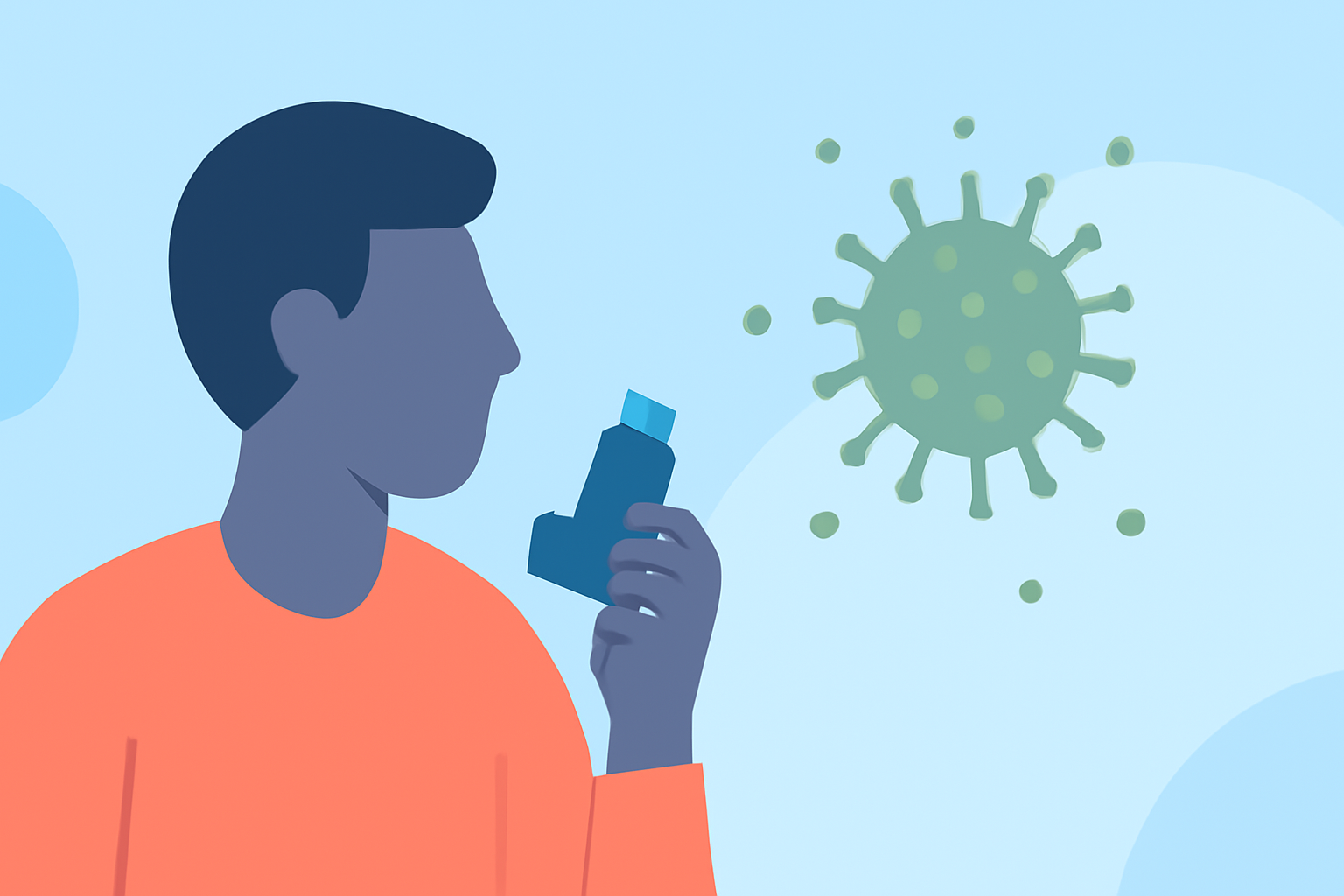
Pollen season can be particularly challenging for individuals with asthma, as increased pollen levels often trigger respiratory symptoms. Understanding how to manage these triggers is essential for maintaining respiratory health.
What Are the Main Pollen Types and Their Seasons?
Pollen from trees, grasses, and weeds are common asthma triggers. Tree pollen is prevalent in spring, grass pollen in late spring and summer, and weed pollen, such as ragweed, in late summer and early fall. (health.harvard.edu)
How Does Pollen Affect Asthma?
Inhalation of pollen can lead to asthma symptoms like wheezing, coughing, and shortness of breath. For those with pollen allergies, exposure can worsen these symptoms. (cdc.gov)
How Can I Monitor Pollen Levels?
Stay informed about local pollen counts by checking daily forecasts. Pollen levels are typically highest between 5 a.m. and 10 a.m., so plan outdoor activities accordingly. (medlineplus.gov)
What Steps Can I Take to Reduce Pollen Exposure?
-
Stay Indoors During High Pollen Times: Limit outdoor activities when pollen counts are elevated.
-
Keep Windows Closed: Use air conditioning to maintain indoor air quality.
-
Shower After Being Outdoors: Remove pollen from your skin and hair to prevent indoor contamination. (mayoclinic.org)
-
Avoid Drying Laundry Outdoors: Pollen can adhere to fabrics, increasing indoor exposure. (medlineplus.gov)
How Should I Manage My Asthma Medications During Pollen Season?
Consult your healthcare provider about adjusting your asthma management plan during pollen season. They may recommend starting medications before symptoms arise and adjusting dosages as needed. (nychealthandhospitals.org)
How Can I Utilize Clime to Manage Asthma During Pollen Season?
Clime offers real-time pollen forecasts and air quality updates, enabling you to monitor pollen levels and plan activities accordingly. By integrating Clime into your daily routine, you can receive timely alerts about high pollen counts, helping you make informed decisions to protect your respiratory health.
What Are Some Additional Tips for Managing Asthma During Pollen Season?
-
Use High-Efficiency Air Filters: Install HEPA filters in your home's heating and cooling systems to reduce indoor pollen levels. (mayoclinic.org)
-
Wear a Mask Outdoors: Consider wearing a mask to reduce pollen inhalation during necessary outdoor activities. (iqair.com)
-
Keep Your Environment Clean: Regularly clean your home to remove pollen and other allergens.
By proactively managing your exposure to pollen and utilizing tools like Clime, you can effectively control asthma symptoms during pollen season.