
Managing Asthma During Travel: Weather Considerations and Precautions
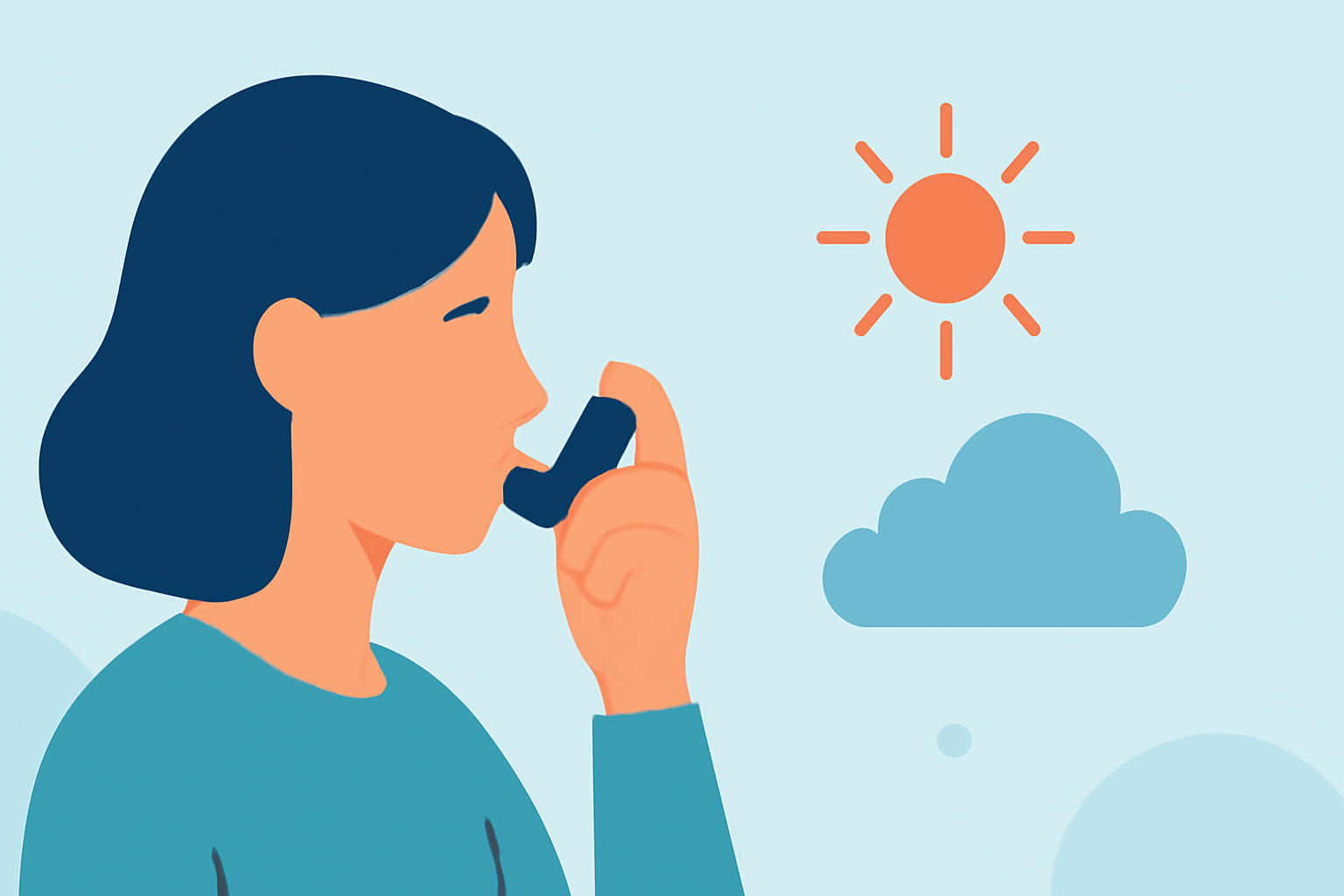
Traveling can expose individuals with asthma to various weather conditions that may trigger symptoms. Understanding these triggers and implementing appropriate precautions can help maintain respiratory health during your journey.
How Does Weather Affect Asthma?
Weather conditions can significantly influence asthma symptoms. Extreme temperatures, humidity levels, and sudden weather changes are common triggers. For instance, cold, dry air can cause airways to narrow, leading to breathing difficulties. Conversely, hot, humid air can increase the presence of allergens like pollen, dust mites, and mold, which can exacerbate asthma symptoms. (aafa.org)
What Are Common Weather Triggers for Asthma?
-
Cold, Dry Air: Inhaling cold, dry air can irritate the airways, leading to bronchospasm and increased asthma symptoms. (medicalnewstoday.com)
-
Heat and Humidity: Warm, humid conditions can elevate pollen counts and promote the growth of mold and dust mites, common asthma triggers. (aafa.org)
-
Thunderstorms: Severe storms can break pollen grains into smaller particles, which are more easily inhaled, potentially triggering asthma attacks. (scientificamerican.com)
How Can I Manage Asthma During Travel?
-
Monitor Weather Forecasts: Stay informed about the weather conditions at your travel destination. This awareness allows you to anticipate potential asthma triggers and plan accordingly.
-
Prepare an Asthma Action Plan: Work with your healthcare provider to develop a personalized plan that includes medication management, recognizing early signs of an asthma attack, and knowing when to seek medical attention.
-
Carry Essential Medications: Always have your rescue inhaler and any prescribed medications readily available. Ensure they are stored properly, as extreme temperatures can affect their efficacy.
-
Limit Exposure to Triggers: During travel, try to minimize exposure to known asthma triggers. For example, avoid outdoor activities during high pollen seasons or in areas with high pollution levels.
-
Use Protective Gear: In cold climates, cover your mouth and nose with a scarf to warm the air before inhalation. In humid environments, consider using a dehumidifier in your accommodation to reduce indoor humidity levels.
How Can Clime Assist in Managing Asthma During Travel?
Clime offers real-time weather updates and forecasts, enabling travelers to stay informed about current and upcoming weather conditions at their destinations. By providing accurate and timely information, Clime helps individuals with asthma anticipate potential triggers and make informed decisions to manage their respiratory health effectively.
Conclusion
Traveling with asthma requires careful planning and awareness of how weather conditions can impact your health. By monitoring weather forecasts, preparing an asthma action plan, carrying necessary medications, and taking steps to minimize exposure to triggers, you can enjoy your travels with greater confidence and comfort.
Highlights:
- Cold-Induced Asthma: Symptoms, Causes and Triggers, Published on Sunday, January 18
- How Does the Weather Affect Asthma?, Published on Sunday, July 07
- Weather Triggers Asthma | AAFA.org