
Managing Asthma: A Step-by-Step Guide to Weather-Related Triggers
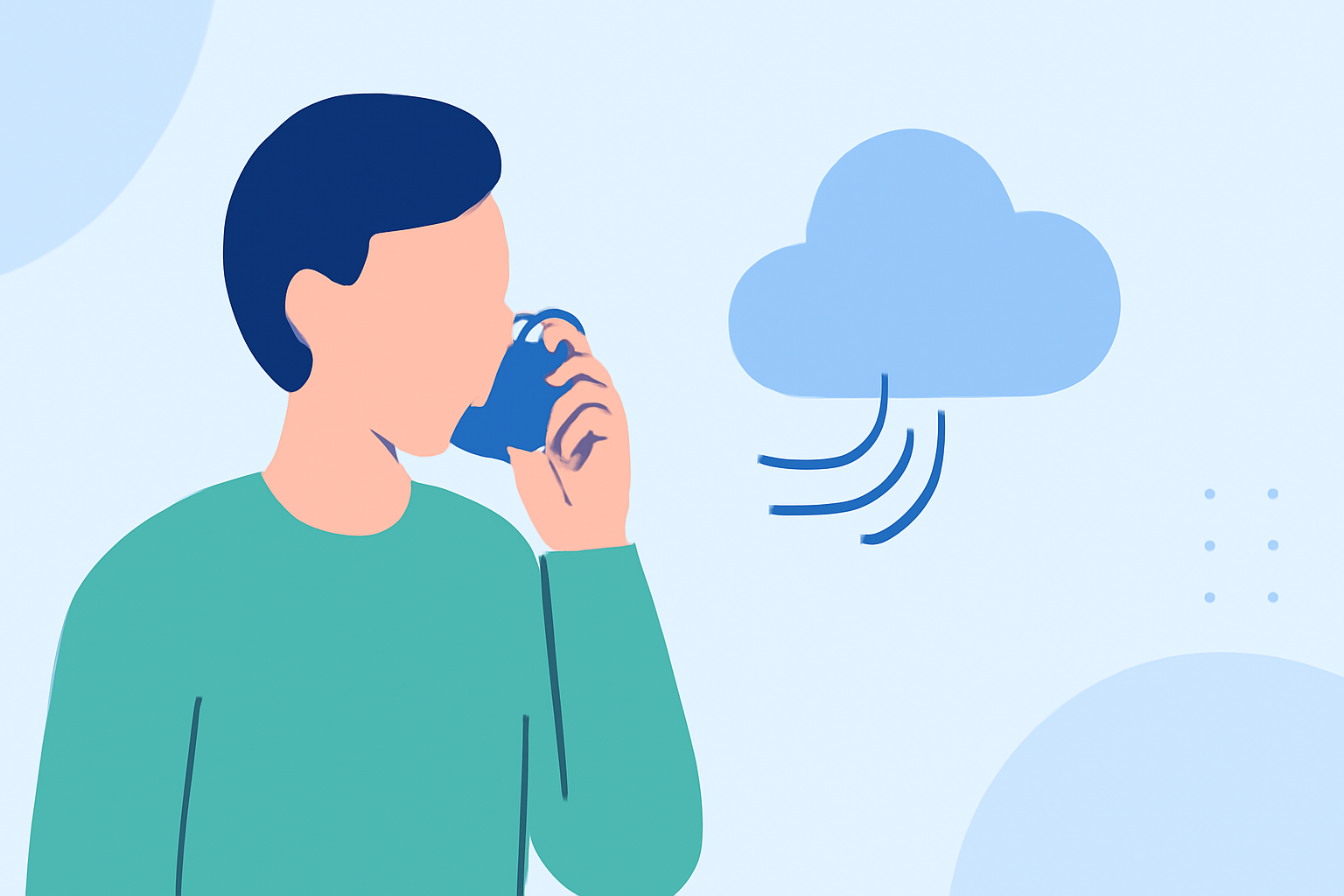
Asthma is a chronic condition that causes inflammation and narrowing of the airways, leading to breathing difficulties. Various factors can trigger asthma symptoms, and weather conditions are among the most common. Understanding how different weather patterns affect asthma and taking proactive measures can help manage and reduce symptoms.
How Does Weather Affect Asthma?
Weather conditions can influence asthma in several ways:
-
Temperature Extremes: Both cold and hot temperatures can constrict airways, making breathing more challenging. (cdc.gov)
-
Humidity Levels: High humidity can increase the presence of allergens like mold and dust mites, while low humidity can dry out the airways, leading to irritation. (cdc.gov)
-
Air Pollution: Pollutants such as smog, vehicle exhaust, and industrial emissions can irritate the lungs and trigger asthma symptoms. (cdc.gov)
-
Thunderstorms: These can stir up pollen and mold spores, leading to increased exposure for individuals with asthma. (cdc.gov)
How Can I Minimize Weather-Related Asthma Triggers?
To reduce the impact of weather on asthma, consider the following steps:
-
Monitor Local Weather and Air Quality: Stay informed about temperature changes, humidity levels, and air pollution forecasts. This awareness can help you plan outdoor activities accordingly. (cdc.gov)
-
Limit Outdoor Activities During Adverse Conditions: On days with extreme temperatures, high humidity, or poor air quality, try to stay indoors as much as possible. (cdc.gov)
-
Dress Appropriately: In cold weather, wear a scarf over your nose and mouth to warm the air before it enters your lungs. In hot weather, wear loose, breathable clothing to stay cool. (cdc.gov)
-
Use Air Conditioning and Dehumidifiers: These can help control indoor temperature and humidity, creating a more comfortable environment for your lungs. (cdc.gov)
-
Keep Windows Closed During High Pollen Seasons: This prevents pollen from entering your home and triggering symptoms. (cdc.gov)
-
Maintain a Clean Home Environment: Regular cleaning can reduce indoor allergens. Use a vacuum with a HEPA filter and wash bedding frequently. (cdc.gov)
When Should I Seek Medical Advice?
If you notice an increase in asthma symptoms during certain weather conditions, consult your healthcare provider. They can help adjust your asthma action plan to better manage these triggers. (cdc.gov)
By understanding the relationship between weather and asthma, and by implementing these strategies, you can better control your asthma and improve your quality of life.
Highlights:
- Controlling Asthma | Asthma | CDC, Published on Sunday, January 21
- Too Hot? How to NOT Trigger Your Asthma | American Lung Association, Published on Wednesday, May 010search10