
Managing Asthma While Traveling: Essential Tips for Travelers in the United States
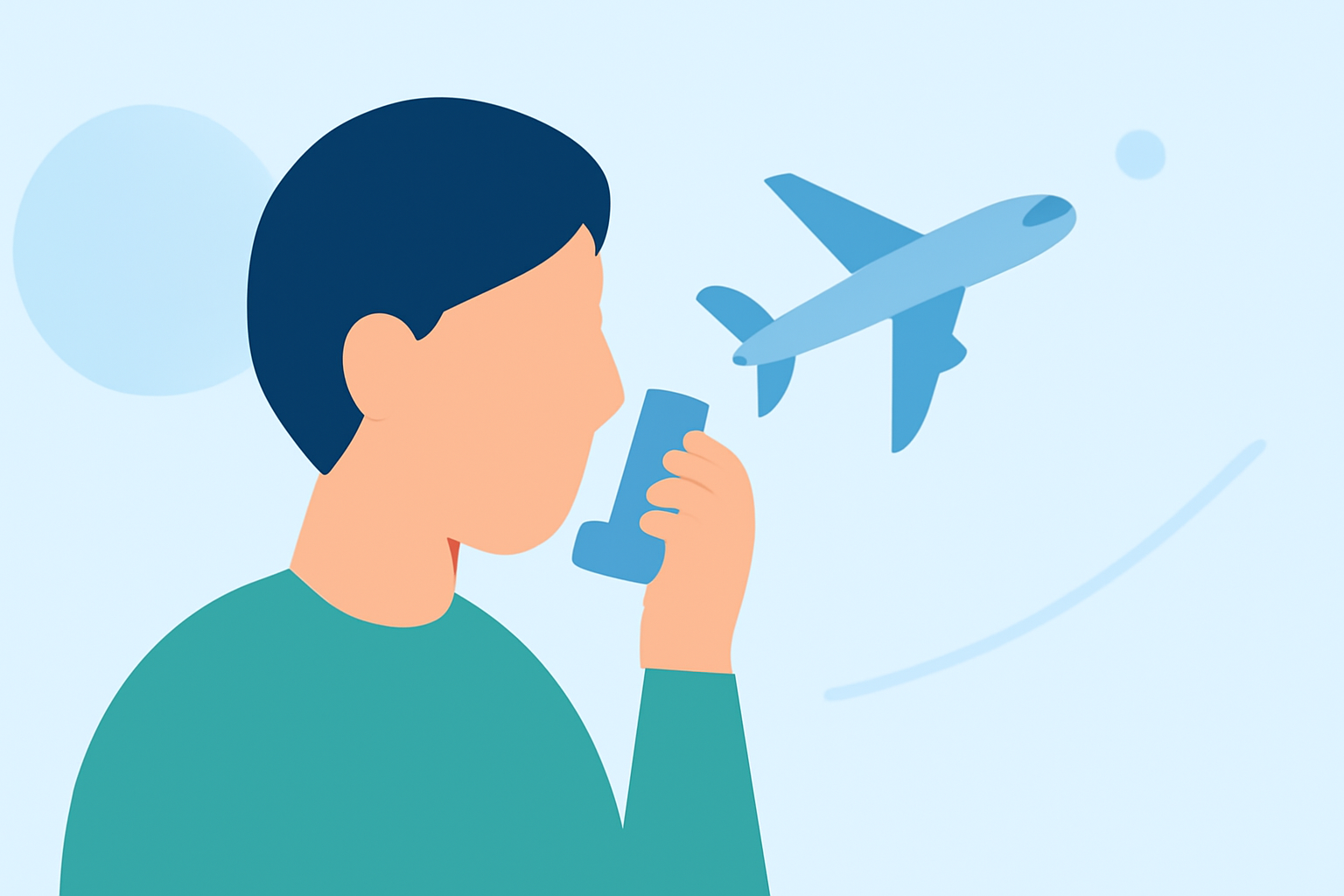
Traveling can be a delightful experience, but for individuals with asthma, it requires careful planning to ensure a safe and enjoyable journey. Asthma symptoms can be triggered by various factors, including weather conditions, allergens, and changes in environment. This guide provides essential tips to help you manage your asthma effectively while traveling within the United States.
1. How Does Weather Affect Asthma Symptoms?
Weather plays a significant role in asthma management. Cold, dry air can irritate the airways, leading to symptoms like coughing and wheezing. Conversely, hot and humid conditions can increase the presence of allergens such as mold and pollen, potentially triggering asthma attacks. It's crucial to monitor local weather forecasts and air quality reports to anticipate and mitigate potential triggers. (allergyasthmanetwork.org)
2. What Precautions Should I Take Before Traveling?
-
Consult Your Healthcare Provider: Schedule a pre-travel appointment to review your asthma action plan and ensure your medications are up to date. (cdc.gov)
-
Prepare Necessary Medications: Pack all prescribed medications, including inhalers and nebulizers, in your carry-on luggage. Ensure you have enough for the duration of your trip, plus extra in case of delays. (healthline.com)
-
Research Your Destination: Identify potential asthma triggers at your destination, such as high pollen counts or pollution levels. This information can help you plan activities and accommodations accordingly. (healthline.com)
3. How Can I Manage Asthma During My Trip?
-
Monitor Air Quality: Use weather apps or websites to check daily air quality reports. If pollution levels are high, consider limiting outdoor activities or staying indoors during peak pollution times. (allergyasthmanetwork.org)
-
Choose Accommodations Wisely: Opt for nonsmoking, pet-free rooms to reduce exposure to common allergens. Request rooms with hardwood floors instead of carpets, as carpets can harbor dust mites. (healthline.com)
-
Stay Hydrated: Drinking plenty of fluids helps keep the airways moist and can alleviate asthma symptoms. (healthline.com)
-
Exercise Caution with Physical Activity: If exercising outdoors, be mindful of weather conditions. In cold weather, wear a scarf or mask over your nose and mouth to warm the air before inhalation. In hot and humid conditions, exercise during cooler parts of the day and stay hydrated. (health.clevelandclinic.org)
4. What Should I Do in Case of an Asthma Attack?
-
Follow Your Asthma Action Plan: Use your rescue inhaler as directed. If symptoms persist or worsen, seek medical attention immediately. (cdc.gov)
-
Know Local Emergency Services: Familiarize yourself with the nearest hospital or urgent care facility at your destination. Keep emergency contact numbers accessible. (healthline.com)
5. How Can I Prevent Asthma Triggers While Traveling?
-
Limit Exposure to Allergens: Keep windows closed during high pollen seasons and use air conditioning with a clean filter. Avoid areas with high pollution levels. (allergyasthmanetwork.org)
-
Maintain Cleanliness: Regularly clean your accommodations to reduce dust and mold. Use dust mite-proof bedding encasements if necessary. (healthline.com)
-
Stay Informed: Keep abreast of local health advisories and weather conditions that may affect your asthma. Adjust your plans as needed to minimize exposure to potential triggers. (allergyasthmanetwork.org)
By proactively managing your asthma and being mindful of environmental factors, you can enjoy your travels across the United States with greater confidence and comfort.