
Managing Asthma with Weather Insights on Android
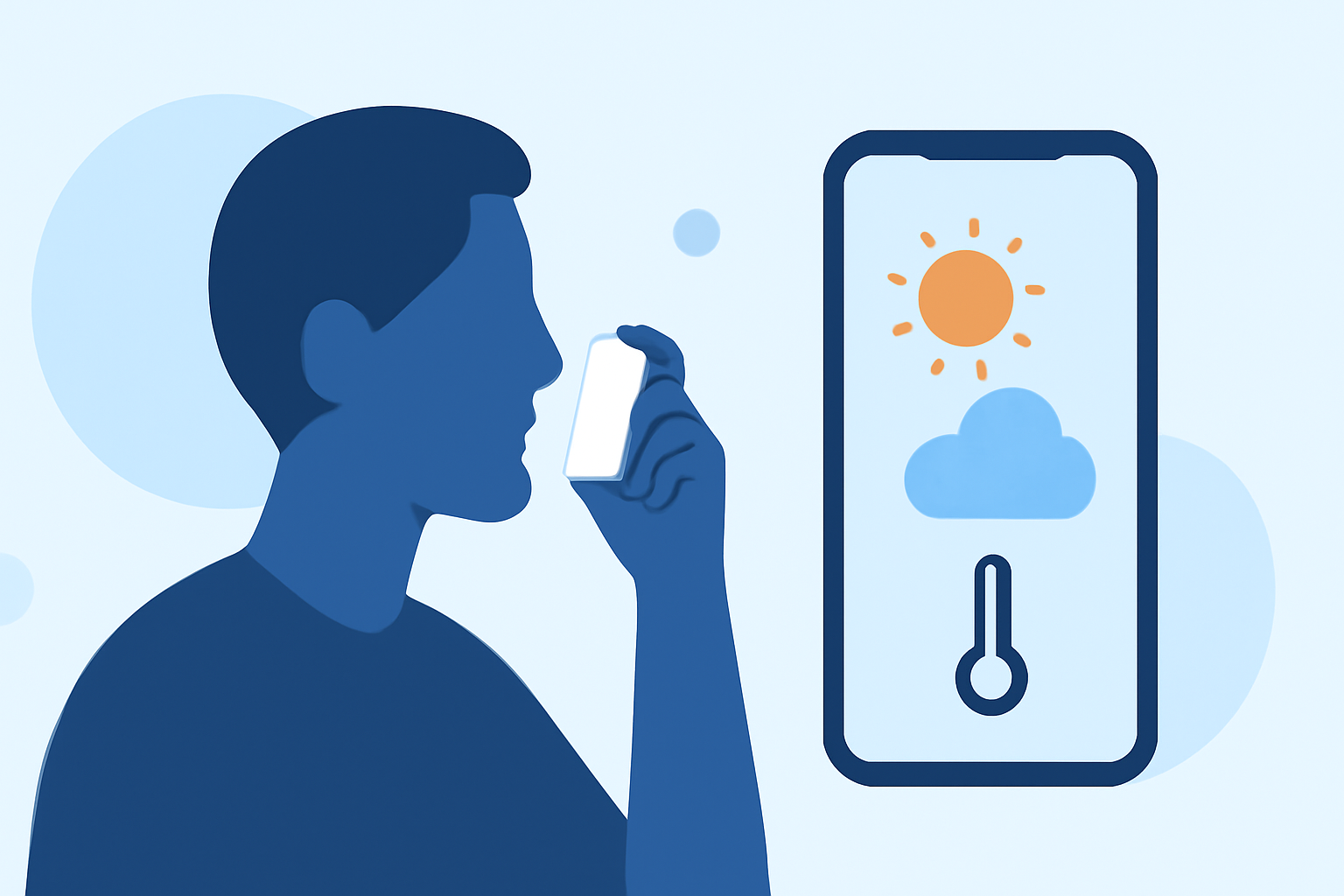
Asthma is a chronic respiratory condition that can be significantly influenced by weather and environmental factors. Understanding these influences is crucial for effective asthma management. Advancements in technology have led to the development of Android applications that offer personalized weather insights, helping individuals with asthma make informed decisions.
How Does Weather Affect Asthma?
Weather conditions such as temperature fluctuations, humidity levels, air pressure changes, and the presence of allergens like pollen can trigger asthma symptoms. For instance, high humidity can increase the presence of mold spores, while temperature extremes can cause airway constriction. Being aware of these factors allows individuals to take preventive measures during adverse weather conditions.
What Are the Benefits of Using Weather Apps for Asthma Management?
Utilizing weather apps tailored for asthma management offers several advantages:
-
Real-Time Air Quality Data: Access up-to-date information on pollutants and allergens in your area.
-
Personalized Forecasts: Receive weather forecasts that consider your specific asthma triggers.
-
Symptom Tracking: Monitor your symptoms in relation to weather changes to identify patterns.
-
Preventive Alerts: Get notifications about upcoming weather conditions that may affect your asthma.
Which Android Apps Provide Asthma-Specific Weather Insights?
Several Android applications are designed to assist individuals with asthma by offering weather-related information:
-
breazyTrack: This app helps manage asthma by documenting symptoms, peak flow, and medication. It provides environmental data, including pollen counts and air pollution levels, and features an emergency check to recognize potential asthma attacks. (play.google.com)
-
DailyBreath: Offering real-time air quality data, this app helps users understand how air quality affects their health, especially for those with asthma and COPD. It provides forecasts, risk assessments, and community-driven symptom maps. (play.google.com)
-
IQAir AirVisual: This app provides real-time and forecast air pollution and weather data for over 500,000 locations worldwide. It offers health recommendations, 48-hour forecasts, and a global air quality map. (play.google.com)
How Can These Apps Enhance Asthma Management?
By integrating these apps into your daily routine, you can:
-
Stay Informed: Keep track of local air quality and weather conditions that may impact your asthma.
-
Plan Activities: Schedule outdoor activities during times when air quality is optimal.
-
Monitor Symptoms: Identify correlations between weather patterns and asthma symptoms to adjust management strategies accordingly.
What Are the Limitations of These Apps?
While these applications provide valuable information, they may have limitations such as:
-
Regional Data Variability: Air quality data may vary in accuracy depending on the region.
-
Generalized Forecasts: Some apps may offer generalized forecasts that might not account for individual sensitivities.
-
Dependence on User Input: The effectiveness of symptom tracking relies on consistent user input.
How Should Users Approach These Apps?
Users should view these apps as complementary tools to their asthma management plan. It's essential to consult healthcare professionals for personalized medical advice and to use these apps as part of a broader strategy that includes medication adherence, regular check-ups, and lifestyle modifications.
By leveraging technology to understand and anticipate weather-related asthma triggers, individuals can take proactive steps to manage their condition effectively.