
Managing Excessive Sweating During Workouts: Effective Strategies
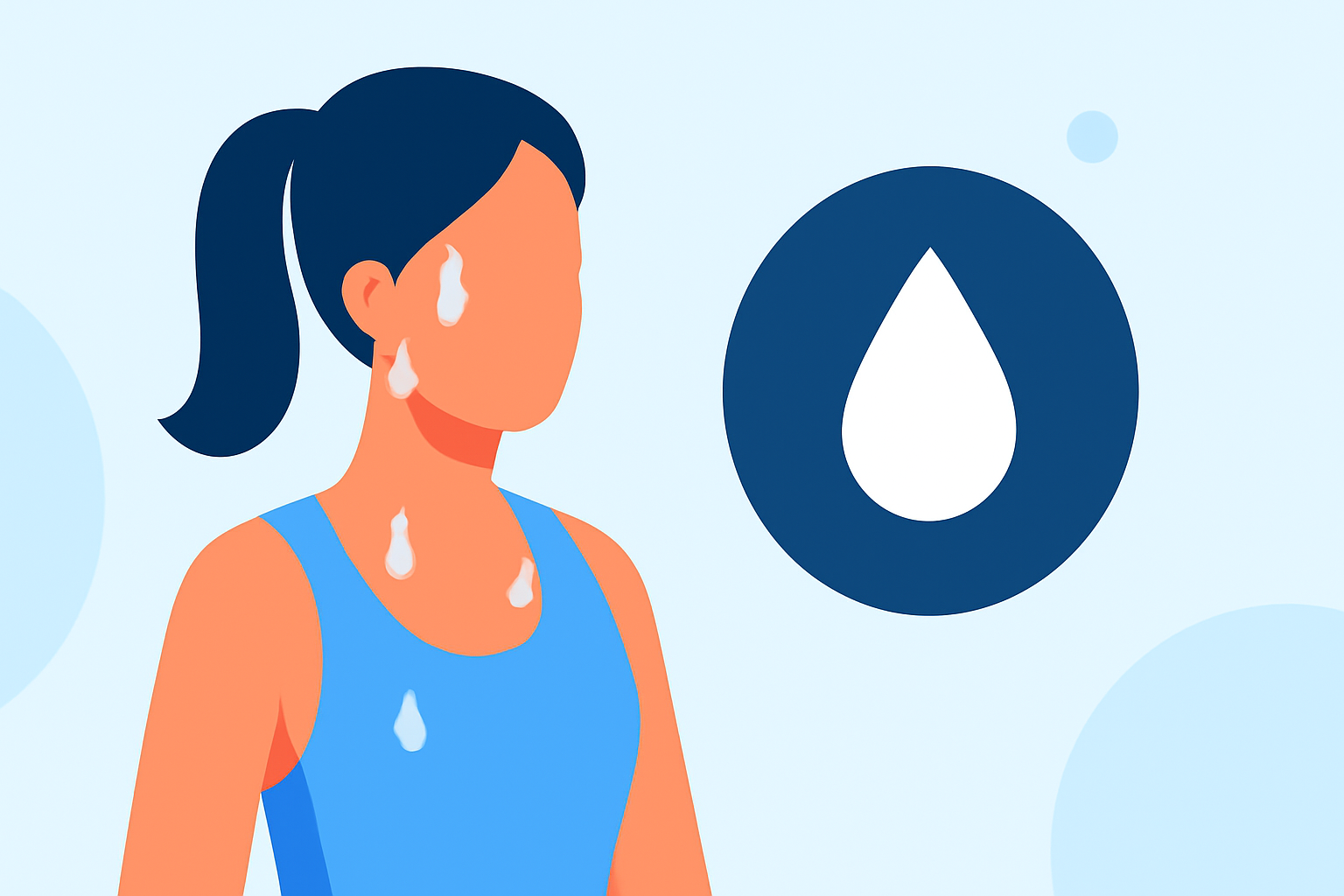
Excessive sweating during workouts can be both uncomfortable and distracting. Understanding the causes and implementing effective strategies can help manage this issue.
Understanding the Causes of Excessive Sweating
Sweating is a natural process that helps regulate body temperature. However, factors such as high-intensity exercise, warm environments, and individual physiological differences can lead to excessive perspiration. In some cases, underlying conditions like hyperhidrosis may contribute to increased sweating.
Effective Strategies to Manage Excessive Sweating
-
Use Antiperspirants: Applying antiperspirants to areas prone to sweating can help reduce moisture. Opt for products labeled as antiperspirants, as they contain aluminum-based compounds that block sweat glands. For enhanced effectiveness, apply antiperspirant before bedtime to allow it to work overnight. (health.clevelandclinic.org)
-
Choose Breathable Clothing: Wear lightweight, moisture-wicking fabrics during workouts. Materials like cotton or specialized athletic fabrics can help keep the skin cool and dry. Avoid synthetic fabrics that trap heat and moisture. (health.clevelandclinic.org)
-
Stay Hydrated: Drinking adequate water before, during, and after exercise helps regulate body temperature and can reduce the amount of sweat produced. Proper hydration supports efficient sweat production and prevents electrolyte imbalances. (health.osu.edu)
-
Adjust Your Diet: Certain foods and beverages, such as spicy foods, caffeine, and alcohol, can increase sweating. Limiting these items may help reduce perspiration levels. (health.clevelandclinic.org)
-
Manage Stress: Emotional stress can trigger sweating. Incorporating stress-reduction techniques like deep breathing, meditation, or yoga into your routine can be beneficial.
-
Consider Medical Treatments: If excessive sweating persists despite these measures, consult a healthcare provider. Treatment options may include prescription-strength antiperspirants, medications, or procedures like iontophoresis or botulinum toxin injections. (my.clevelandclinic.org)
When to Seek Professional Help
If excessive sweating is accompanied by symptoms such as dizziness, chest pain, or shortness of breath, seek medical attention promptly. These signs may indicate underlying health conditions that require immediate care. (my.clevelandclinic.org)
By implementing these strategies, individuals can effectively manage excessive sweating during workouts, leading to a more comfortable and productive exercise experience.