
Effective Strategies for Managing Grass Pollen Allergies in 2026
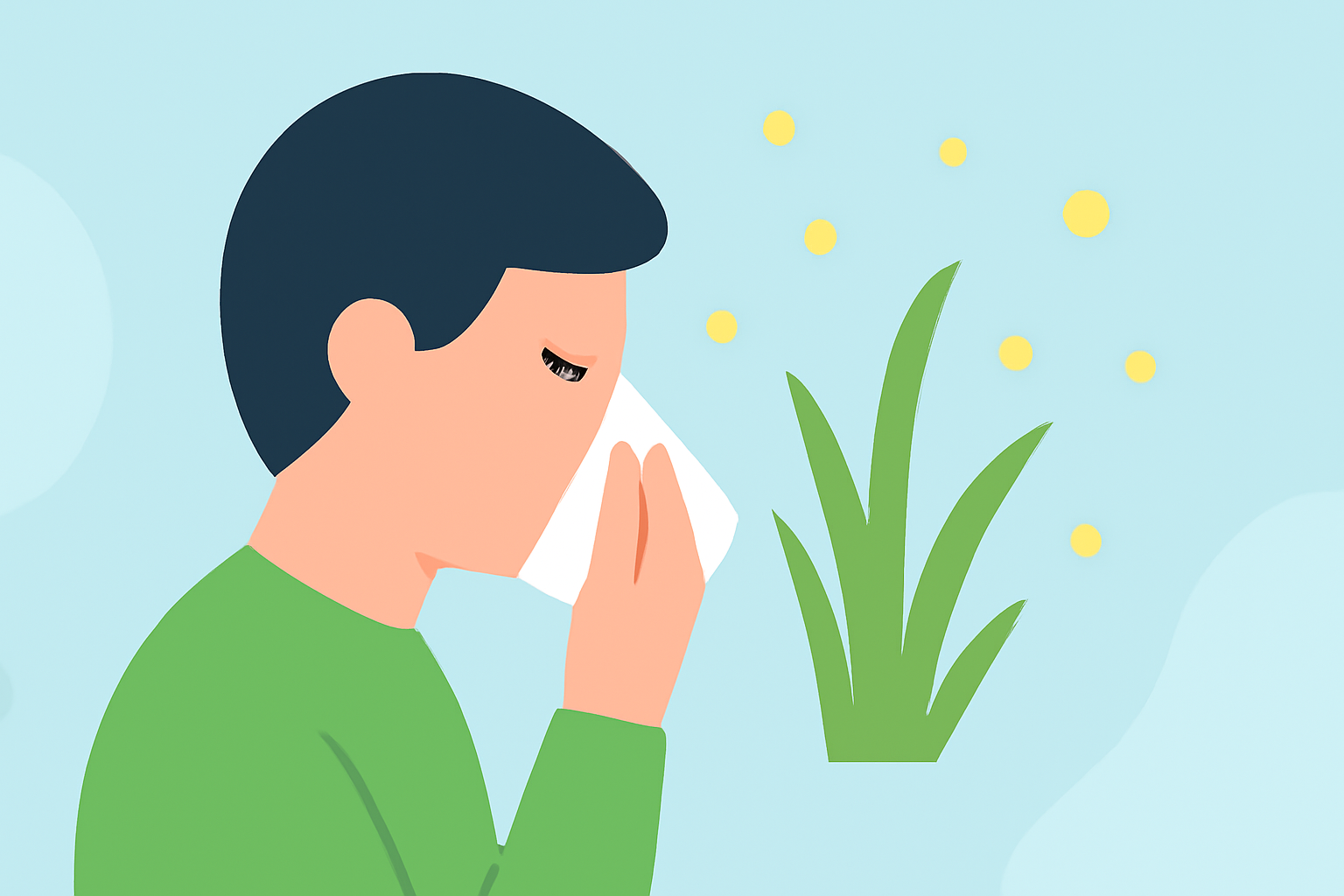
Grass pollen allergies are a common concern during the warmer months, affecting millions across the United States. In 2026, pollen seasons are expected to be longer and more intense, making effective management strategies essential. This guide provides practical tips to help alleviate symptoms and improve quality of life during allergy season.
Understanding Grass Pollen Allergies
Grass pollen is a fine powder released by grass plants to fertilize other grasses of the same species. When inhaled, it can trigger allergic reactions in sensitive individuals, leading to symptoms such as sneezing, nasal congestion, itchy eyes, and coughing. (almanac.com)
Why Are Pollen Seasons Becoming More Intense?
Recent studies indicate that pollen seasons are starting earlier and lasting longer, with higher pollen levels than in previous decades. Factors contributing to this trend include climate change, which affects plant growth and pollen production. (healthline.com)
Effective Strategies for Managing Grass Pollen Allergies
- Monitor Pollen Forecasts
Stay informed about daily pollen counts in your area. Many weather services and apps provide pollen forecasts, helping you plan outdoor activities when pollen levels are lower. (accuweather.com)
- Limit Outdoor Exposure During Peak Pollen Times
Pollen levels are typically highest in the early morning and on dry, windy days. If possible, schedule outdoor activities for late afternoon or after rain, when pollen counts are usually lower. (patch.com)
- Create a Pollen-Free Home Environment
-
Keep Windows Closed: Prevent pollen from entering by keeping windows closed during high pollen days. (patch.com)
-
Use Air Purifiers: Employ air purifiers with HEPA filters to reduce indoor pollen levels. (patch.com)
-
Clean Bedding Regularly: Wash sheets and pillowcases weekly in hot water to eliminate pollen residues. (patch.com)
- Practice Personal Hygiene
-
Shower After Outdoor Activities: Rinse off pollen from your skin and hair to prevent it from transferring to your bedding and indoor environment. (tomsguide.com)
-
Change Clothes: Remove outdoor clothing upon entering your home to avoid bringing pollen indoors. (tomsguide.com)
- Use Appropriate Medications
Over-the-counter antihistamines, nasal sprays, and eye drops can help alleviate symptoms. Consult with a healthcare provider to determine the best treatment plan for your needs. (washingtonpost.com)
- Consider Allergy Shots (Immunotherapy)
For persistent symptoms, allergy shots may provide long-term relief by gradually desensitizing your immune system to specific allergens. Discuss this option with an allergist. (patch.com)
When to Seek Medical Attention
If your symptoms are severe, persistent, or do not respond to over-the-counter treatments, consult a healthcare professional. They can provide personalized advice and may recommend prescription medications or other interventions.
Conclusion
Managing grass pollen allergies in 2026 requires proactive measures, including monitoring pollen forecasts, minimizing exposure, and utilizing appropriate treatments. By implementing these strategies, you can reduce symptoms and enjoy a more comfortable allergy season.
Highlights:
- Pollen Season 2026: Complete Guide To Timing, Counts And Allergy Relief | Weather.com, Published on Tuesday, March 03