
Managing Grass Pollen Allergies: A Comprehensive Guide
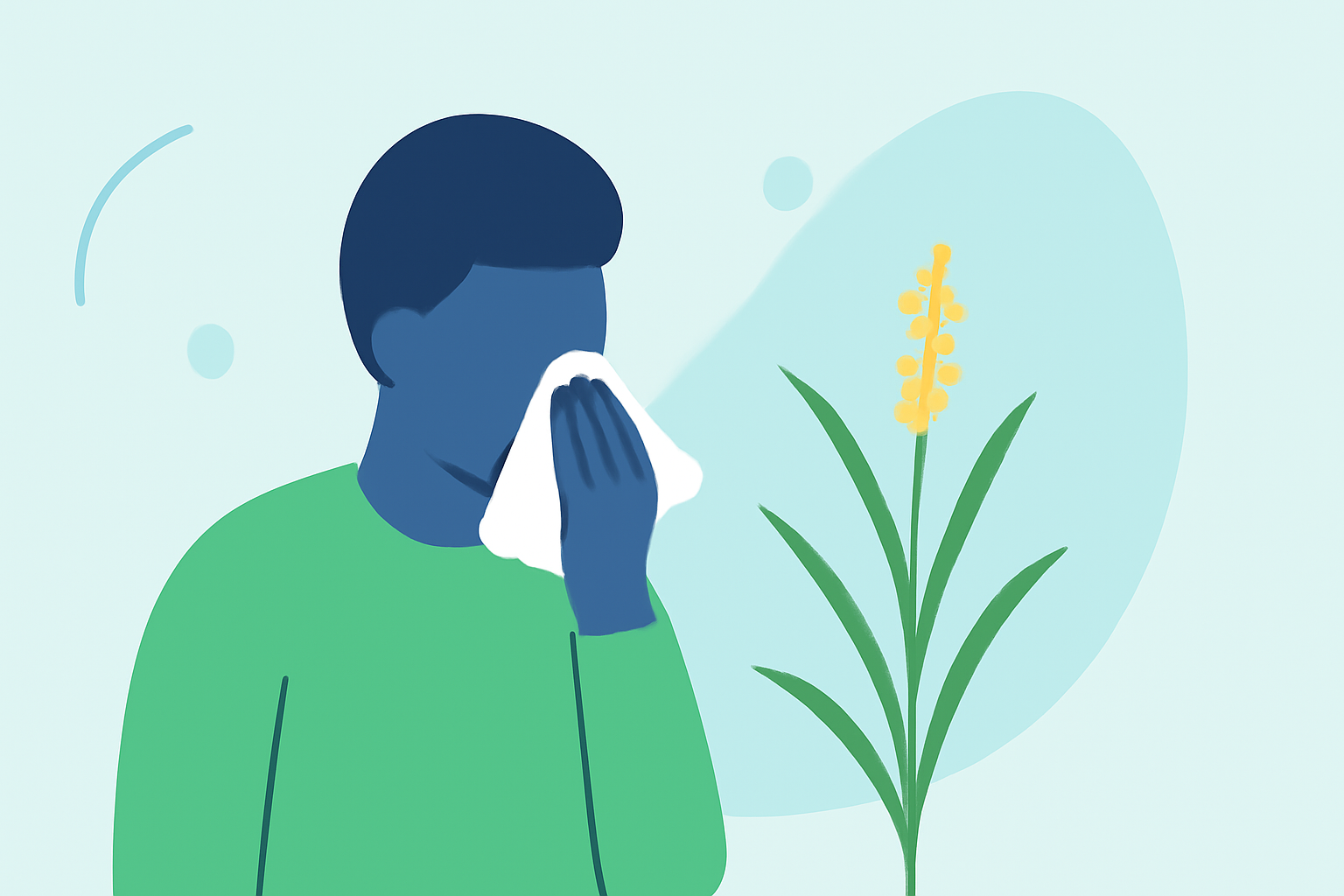
Grass pollen allergies, commonly known as hay fever, affect millions of individuals, especially during the warmer months when grass pollination peaks. Understanding the causes, symptoms, and management strategies is essential for those seeking relief.
What Causes Grass Pollen Allergies?
Grass pollen allergies occur when the immune system overreacts to pollen released by grasses. Common culprits include Bermuda, Timothy, and Kentucky bluegrass. (apps.apple.com)
What Are the Common Symptoms?
Individuals with grass pollen allergies may experience:
- Sneezing
- Runny or stuffy nose
- Itchy or watery eyes
- Coughing
- Fatigue
How Can You Prevent Exposure?
To minimize exposure to grass pollen:
-
Stay Informed: Regularly check local pollen forecasts to plan outdoor activities accordingly. (apps.apple.com)
-
Limit Outdoor Activities: On days with high pollen counts, especially during midday and afternoon when pollen levels peak.
-
Keep Windows Closed: Prevent pollen from entering your home by keeping windows shut during high pollen seasons.
-
Use Air Purifiers: Employ HEPA filters to reduce indoor pollen levels.
What Are Effective Treatment Options?
Managing grass pollen allergies involves a combination of medications and lifestyle adjustments:
-
Antihistamines: Over-the-counter medications can alleviate symptoms like sneezing and itching.
-
Nasal Sprays: Corticosteroid sprays reduce inflammation in nasal passages.
-
Allergen Immunotherapy: Allergy shots or sublingual tablets can desensitize the immune system over time.
How Can Technology Assist in Management?
Utilizing technology can provide real-time data and personalized insights:
-
Pollen Forecast Apps: Applications like Pollen Wise offer up-to-date pollen counts and forecasts, helping users plan activities and manage symptoms effectively. (apps.apple.com)
-
Symptom Tracking: Apps such as Pollen Jotter allow users to log daily symptoms, identify triggers, and monitor patterns over time. (pollenjotter.com)
What Lifestyle Changes Can Help?
Incorporating certain habits can reduce allergy symptoms:
-
Shower After Outdoor Activities: Rinse off pollen from skin and hair to prevent indoor exposure.
-
Change Clothes: Pollen can cling to clothing; changing upon entering the home can reduce indoor pollen levels.
-
Maintain Cleanliness: Regular cleaning, including washing bedding and vacuuming with HEPA filters, can minimize indoor allergens.
When Should You Consult a Healthcare Professional?
If over-the-counter treatments are ineffective, or if symptoms are severe, it's advisable to consult an allergist or healthcare provider. They can offer personalized treatment plans and may recommend allergy testing to identify specific triggers.
By understanding the causes and implementing preventive measures, individuals can effectively manage grass pollen allergies and improve their quality of life during peak pollen seasons.