
Managing Grass Pollen Allergies While Traveling: A Step-by-Step Guide
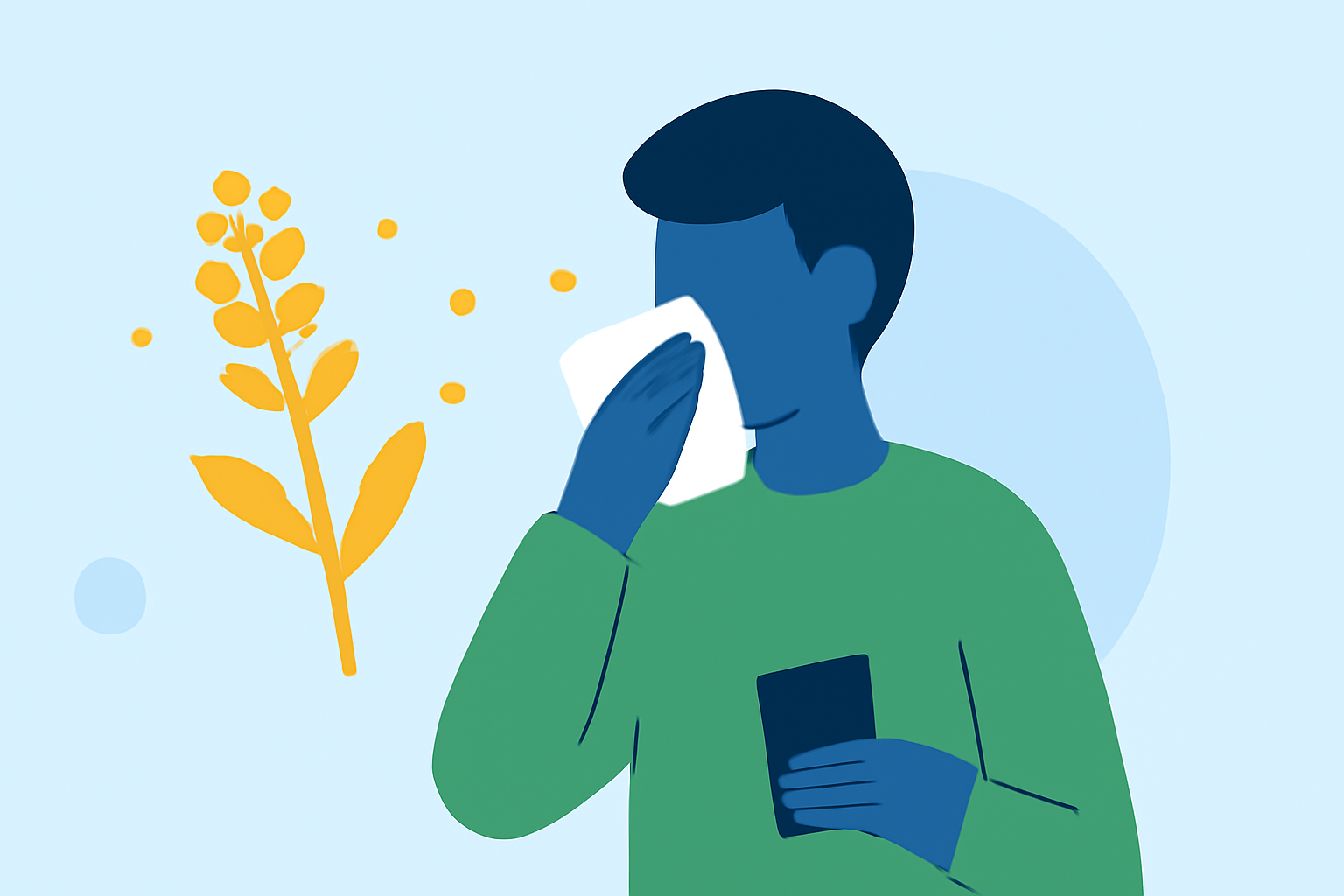
Traveling can be a delightful experience, but for those with grass pollen allergies, it can present unique challenges. Understanding how to manage these allergies while on the move is essential for a comfortable journey. This guide provides practical steps to help you navigate grass pollen exposure during your travels.
What Are Grass Pollen Allergies?
Grass pollen allergies occur when your immune system reacts to pollen released by certain grasses. Common symptoms include:
- Runny or stuffy nose
- Sneezing
- Itchy or watery eyes
- Coughing
- Fatigue
These symptoms can vary in severity and may impact your daily activities. (healthline.com)
When Are Grass Pollen Levels Highest?
Grass pollen levels typically peak during late spring and early summer. However, this can vary depending on the region and specific grass species. Being aware of the pollen seasons in your travel destinations can help you plan accordingly. (my.clevelandclinic.org)
How Can You Minimize Exposure to Grass Pollen While Traveling?
- Monitor Pollen Counts:
- Before traveling, check the pollen forecast for your destination. Many weather websites and apps provide daily pollen counts.
- Choose Your Travel Dates Wisely:
- If possible, plan your trips during times when grass pollen levels are lower.
- Limit Outdoor Activities During Peak Pollen Times:
- Pollen levels are usually highest in the early morning and on warm, windy days. Opt for indoor activities during these times.
- Keep Windows Closed:
- In your accommodations, keep windows closed to prevent pollen from entering. Use air conditioning with a clean filter to maintain air quality.
- Use Air Purifiers:
- If available, use air purifiers in your room to reduce airborne pollen.
- Wear Protective Gear:
- Sunglasses can help protect your eyes from pollen. Consider wearing a hat to keep pollen out of your hair.
- Shower and Change Clothes After Outdoor Exposure:
- Pollen can cling to your skin, hair, and clothing. Showering and changing clothes after being outside can reduce exposure.
- Dry Laundry Indoors:
- Drying clothes and linens indoors prevents pollen from settling on them. (healthdirect.gov.au)
What Medications Can Help Manage Symptoms?
If you experience allergy symptoms despite taking preventive measures, medications can provide relief:
-
Antihistamines:
-
Over-the-counter antihistamines can help alleviate symptoms like sneezing and itching. (my.clevelandclinic.org)
-
Nasal Sprays:
-
Nasal corticosteroid sprays can reduce inflammation in the nasal passages. (my.clevelandclinic.org)
-
Decongestants:
-
These can help relieve nasal congestion but should be used cautiously and not for extended periods. (my.clevelandclinic.org)
-
Allergy Shots (Immunotherapy):
-
For long-term relief, allergy shots can help desensitize your immune system to allergens. (mayoclinic.org)
When Should You Seek Medical Advice?
If your symptoms are severe, persistent, or not relieved by over-the-counter medications, consult a healthcare professional. They can provide personalized advice and may recommend prescription treatments or other interventions. (my.clevelandclinic.org)
How Can Clime Assist You in Managing Grass Pollen Allergies During Travel?
Clime offers a comprehensive weather app that provides real-time pollen forecasts for various locations. By using Clime, you can:
-
Stay Informed:
-
Receive up-to-date pollen counts for your travel destinations, helping you plan your activities accordingly.
-
Plan Ahead:
-
Access historical pollen data to understand typical pollen levels during different times of the year.
-
Set Alerts:
-
Get notifications when pollen levels are high, so you can take preventive measures.
By integrating Clime into your travel planning, you can better manage your grass pollen allergies and enjoy your trips with greater comfort.
Conclusion
Managing grass pollen allergies while traveling requires proactive planning and awareness. By monitoring pollen levels, taking preventive actions, and utilizing helpful tools like Clime, you can minimize your exposure and enjoy your travels more comfortably.
Highlights:
- Grass Allergies: Symptoms and Treatment, Published on Thursday, March 07
- Pollen Allergy: Causes, Symptoms & Treatment, Published on Sunday, November 19
- Grass allergy - symptoms, treatment and prevention | healthdirect