
Managing Grass Pollen Exposure at Outdoor Events
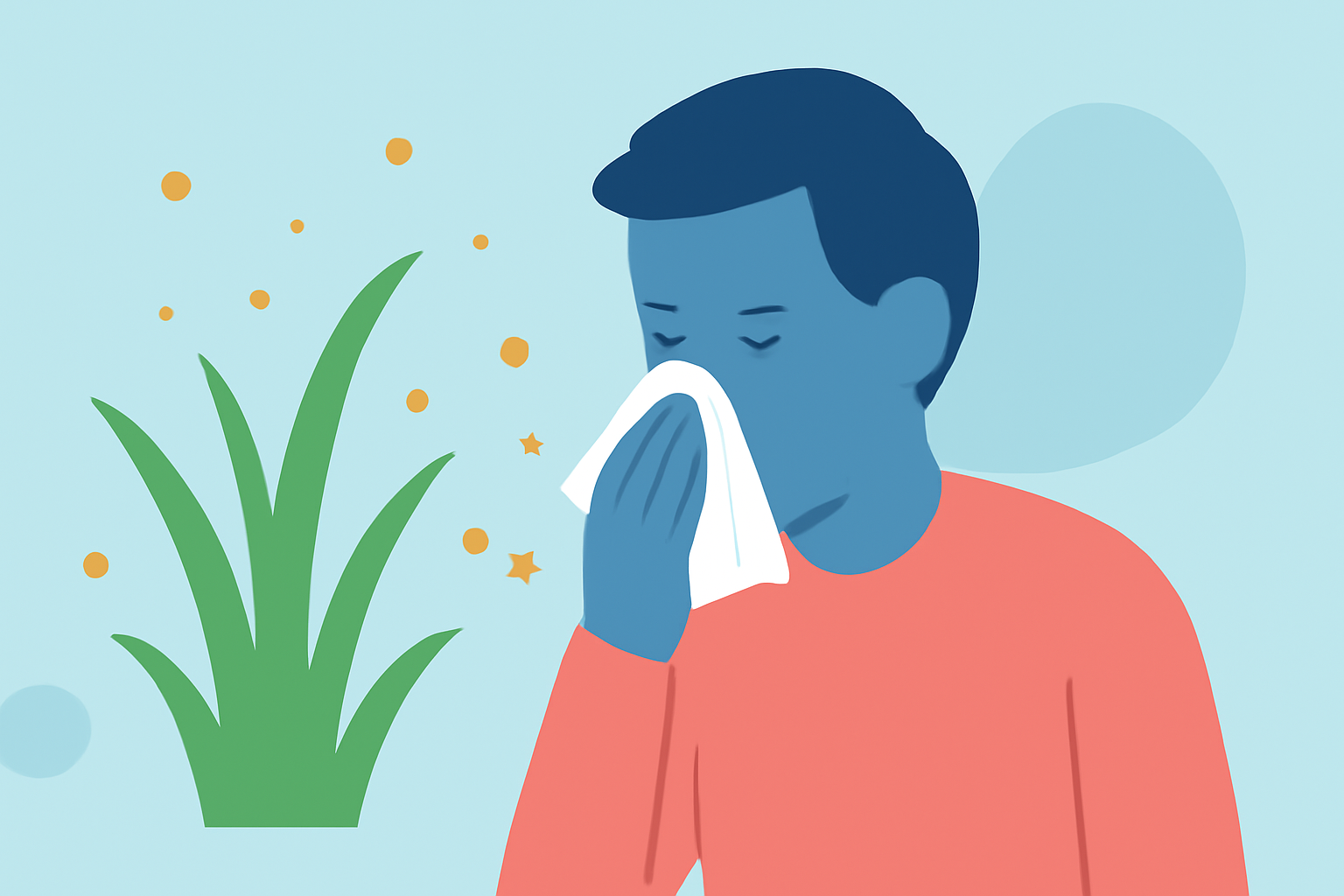
Attending outdoor events during grass pollen season can be challenging for individuals with allergies. Implementing proactive measures can significantly reduce exposure and alleviate symptoms.
Understanding Grass Pollen Allergies
Grass pollen is a common allergen that triggers symptoms such as sneezing, itchy eyes, and nasal congestion. These symptoms occur when the immune system reacts to pollen from grasses like Bermuda, rye, and Kentucky bluegrass. (healthline.com)
Optimal Timing for Outdoor Activities
Pollen levels fluctuate throughout the day and are influenced by weather conditions. To minimize exposure:
-
Monitor Pollen Forecasts: Check local pollen counts before planning outdoor events. Pollen levels are typically highest in the early morning and late afternoon. (bannerhealth.com)
-
Choose Midday Events: Schedule activities during midday when pollen counts are generally lower. (bannerhealth.com)
-
Consider Weather Conditions: Rain can help reduce pollen in the air. If possible, plan events during or after rainfall. (bannerhealth.com)
Appropriate Attire and Personal Care
Dressing appropriately and maintaining personal hygiene can further reduce pollen exposure:
-
Wear Protective Clothing: Opt for long-sleeved shirts, long pants, and hats to shield skin from pollen. (getcurex.com)
-
Use Sunglasses: Sunglasses can help keep pollen out of the eyes. (pollen.com)
-
Shower After Exposure: Rinse off pollen from skin and hair promptly after returning indoors. (bannerhealth.com)
-
Change Clothes: Remove outdoor clothing and wash it to prevent pollen from spreading indoors. (bannerhealth.com)
Environmental Considerations
Selecting the right environment and making certain adjustments can help minimize pollen exposure:
-
Choose Low-Pollen Areas: Opt for venues with well-maintained lawns and fewer grass species known to produce high pollen levels. (claritin.com)
-
Avoid Freshly Mowed Grass: Pollen levels are higher immediately after mowing. If possible, schedule events when grass has been mowed at least one to two days prior. (claritin.com)
-
Use Physical Barriers: Setting up tents or canopies can provide shelter from airborne pollen.
Medication and Medical Advice
Consulting with a healthcare professional can provide personalized strategies:
-
Allergy Medications: Over-the-counter antihistamines, nasal sprays, or eye drops can help alleviate symptoms. (healthline.com)
-
Immunotherapy: For persistent symptoms, treatments like allergy shots may be recommended. (healthline.com)
By implementing these strategies, individuals can enjoy outdoor events with reduced discomfort from grass pollen allergies.
Highlights:
- These Garden Design Tricks Can Reduce Pollen Exposure - 5 Ways to Minimize Allergies Without Compromising on Flowers, Published on Tuesday, April 28
- Allergies ruining your sleep? Here's how to pollen-proof your mattress and bedding, Published on Tuesday, April 14