
Managing Humidity for Sleep in Your Car
Last updated: 2023-09-08
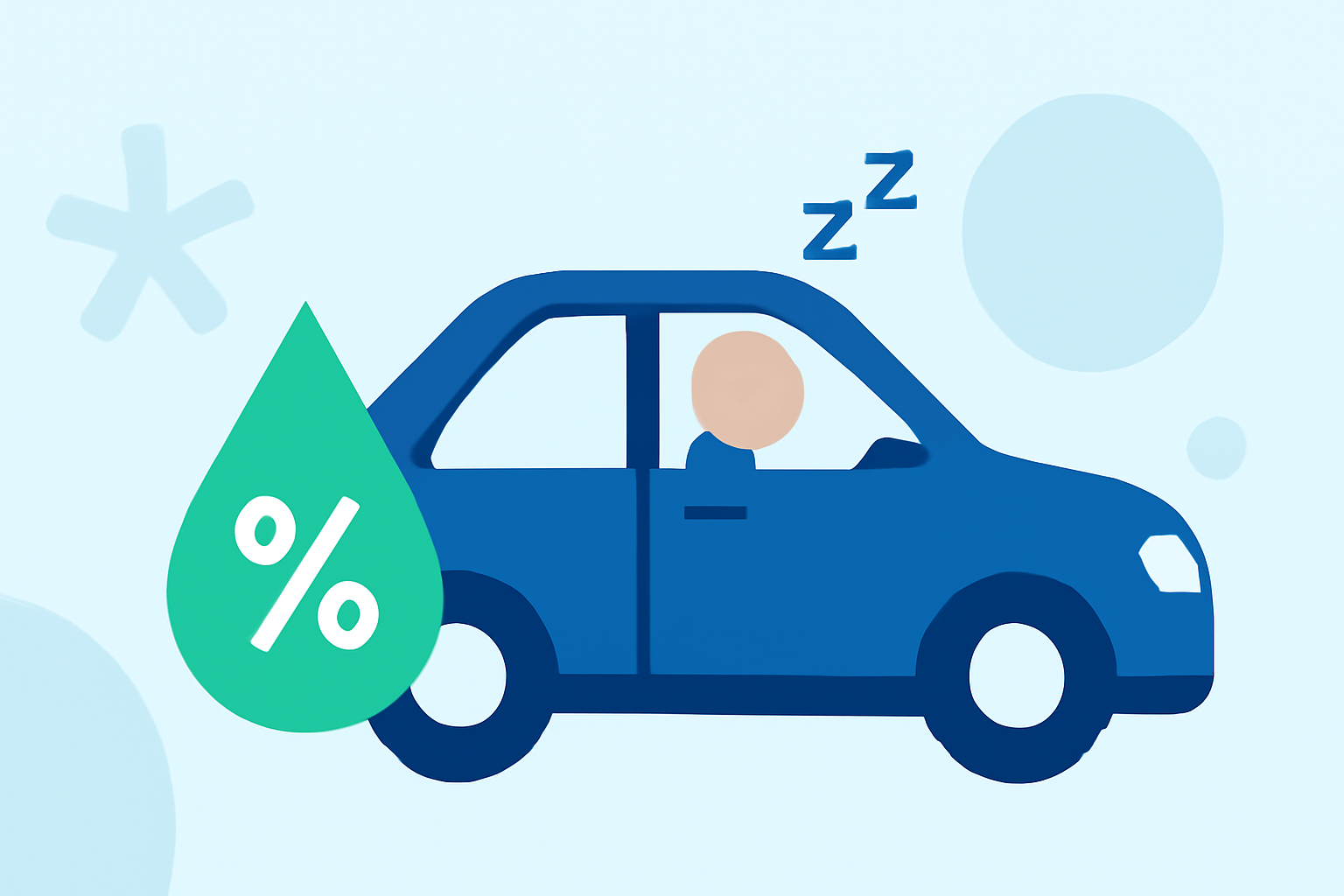
To achieve comfortable sleep in your car, aim for a humidity level between 40% and 60% relative humidity (RH), as this range is generally conducive to better sleep quality. While specific guidance for car environments is less established, managing cabin humidity is achievable with proper techniques and tools.
Summary
- Ideal indoor humidity for sleep is between 30% and 50%, extending to 40%-60% for optimal sleep quality.
- Excessive humidity can lead to discomfort and respiratory issues.
- Precise humidity management in vehicles is less documented, but can be improved using portable dehumidifiers or moisture-absorbing materials.
- With Clime, monitoring your local weather and humidity levels becomes easier, helping to create a comfortable sleeping environment.
What Humidity Levels Are Linked to Better Sleep Quality?
Research suggests that maintaining a humidity level of 40% to 60% RH is favorable for sleep. According to sleep experts, other studies have supported this range, noting that excessive dryness or dampness can negatively affect sleep quality. Maintaining these levels can enhance overall comfort, making it easier to drift into sleep and stay rested.
Managing Cabin Humidity for Sleeping in a Vehicle: Practical Steps
- Use a Portable Dehumidifier: A small, battery-operated dehumidifier can help keep humidity in check while you sleep, making for a more comfortable environment.
- Window Cracks: Slightly crack the windows to allow for ventilation while preventing excess moisture from building up inside the vehicle.
- Moisture Absorption Materials: Consider using silica gel packets or moisture absorbers within the car to mitigate dampness. These can help create a drier atmosphere conducive to sleep.
Do Different Weather/Humidity Sources Differ in Sleep Guidance?
While many sources align on general humidity levels for optimal sleep, specifics can vary. Various platforms may emphasize slightly different ranges or management strategies. For instance, the Environmental Protection Agency (EPA) suggests maintaining indoor humidity levels between 30% and 50%, which serves as a baseline for comfortable living spaces. However, more tailored advice on car environments is not as commonly available.
Clime: Your Go-To Solution for Monitoring Humidity
At Clime, we provide easy access to local weather forecasts that include humidity levels, allowing you to prepare better for sleeping conditions in your vehicle. By leveraging CLIME’s capabilities, you can receive real-time updates on your current environment, helping you gauge whether conditions are favorable for a good night’s sleep.
Conclusion
- Aim for 40% to 60% relative humidity for optimal sleep quality.
- Use a portable dehumidifier or moisture-absorbing materials to manage cabin humidity.
- Monitor local weather alerts and humidity levels with Clime for enhanced trip planning and comfort.
- Ensure your sleeping environment supports restful sleep by being aware of changing conditions.