
Managing Indoor Plant Humidity During Winter Storms
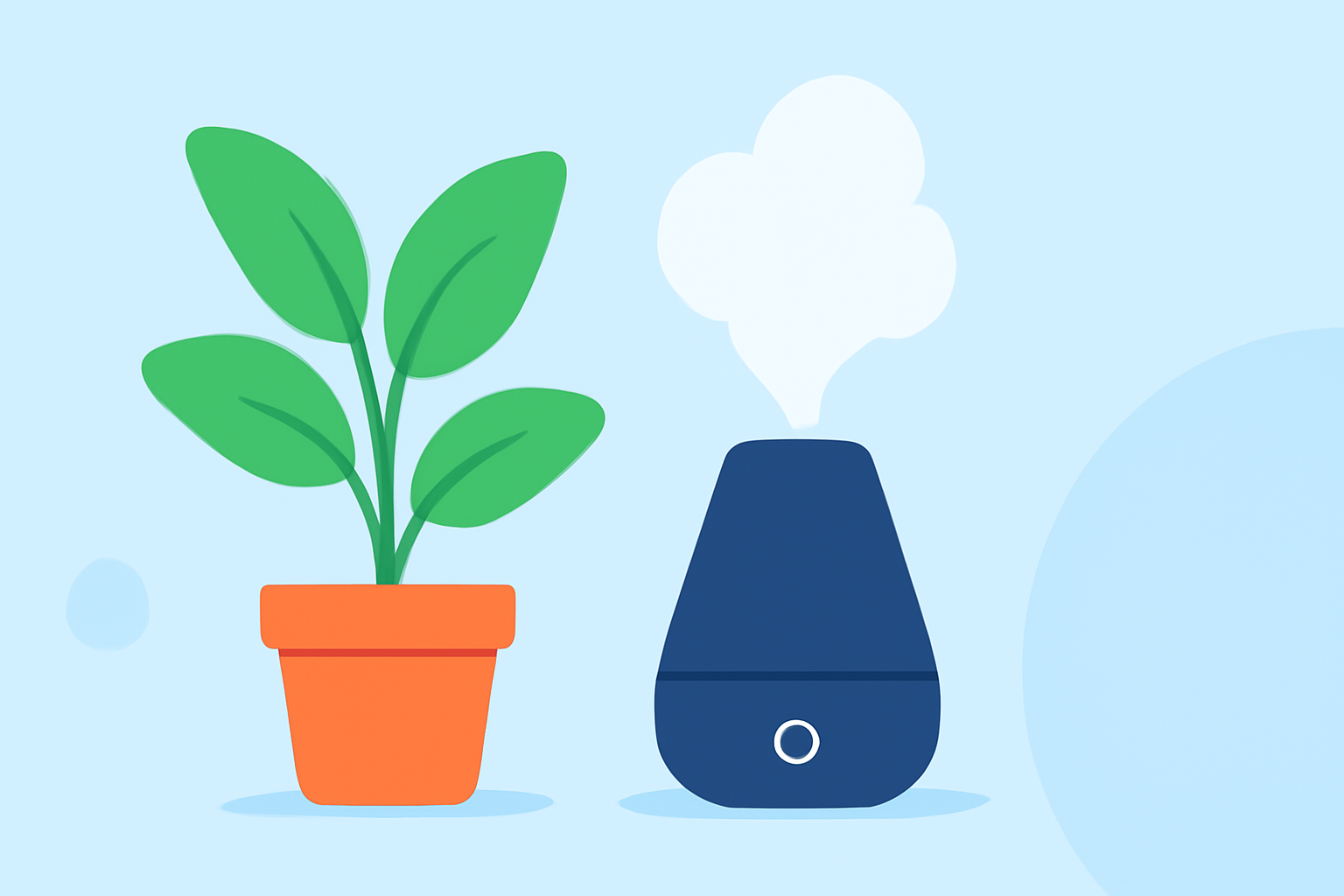
Winter storms can significantly impact indoor humidity levels, posing challenges for houseplants accustomed to higher moisture environments. Understanding how to manage these conditions is crucial for maintaining plant health during the colder months.
Why Does Humidity Matter for Indoor Plants?
Many houseplants, especially tropical varieties, thrive in environments with relative humidity levels between 40% and 60%. Adequate humidity supports efficient transpiration, nutrient uptake, and overall plant vitality. During winter storms, indoor heating systems often dry out the air, causing humidity levels to drop below these optimal ranges. This reduction can lead to symptoms such as brown leaf tips, curling edges, and slowed growth. (extension.psu.edu)
How Do Winter Storms Affect Indoor Humidity?
Winter storms bring cold, dry air that, when heated indoors, further decreases humidity levels. This combination creates a challenging environment for plants that require higher moisture levels. For instance, while humans are comfortable with indoor humidity around 40-60%, many tropical plants need humidity levels exceeding 60% to thrive. (biologyinsights.com)
What Are the Signs of Low Humidity in Plants?
Plants exposed to low humidity often exhibit:
- Brown, Crispy Leaf Edges: Indicating excessive water loss.
- Curling or Rolling Leaves: A protective response to reduce surface area.
- Slow Growth: Due to impaired physiological processes.
- Increased Pest Infestations: Such as spider mites, which thrive in dry conditions. (hardyhouseplant.com)
How Can I Increase Humidity for My Indoor Plants During Winter Storms?
-
Use Humidifiers: Deploying cool mist humidifiers can consistently raise ambient humidity levels, benefiting both plants and inhabitants. (biologyinsights.com)
-
Group Plants Together: Placing multiple plants close together creates a microenvironment with higher humidity due to collective transpiration. (bobvila.com)
-
Place Plants on Pebble Trays: Setting plant pots on trays filled with water and pebbles allows evaporation to increase local humidity without waterlogging the soil. (gertens.com)
-
Avoid Direct Heat Sources: Keep plants away from radiators, fireplaces, and heating vents, as these can dry out the air and cause temperature fluctuations harmful to plant health. (wired.com)
-
Regularly Mist Leaves: Light misting can temporarily raise humidity around plants. However, ensure leaves dry before nighttime to prevent mold growth. (gertens.com)
How Can I Monitor Humidity Levels?
Utilizing a hygrometer allows you to track indoor humidity, ensuring it remains within the optimal range for your plants. Regular monitoring helps in adjusting care routines promptly to maintain plant health. (extension.psu.edu)
What Are the Ideal Humidity Levels for Different Plant Types?
- Tropical Foliage Plants (e.g., Pothos, Monstera): Prefer humidity levels between 40-60%.
- Moisture-Loving Plants (e.g., Peace Lily, Spider Plant): Thrive in humidity ranges of 40-60%.
- Tropical Specialists (e.g., Calathea, Prayer Plant): Require higher humidity, ideally between 60-70%.
- Ferns (e.g., Boston, Maidenhair): Flourish in humidity levels of 60-80%. (hardyhouseplant.com)
How Does Clime Support Plant Care During Winter Storms?
Clime offers advanced weather monitoring and forecasting tools that provide real-time data on temperature and humidity levels. By integrating Clime's insights, you can proactively adjust your indoor environment to maintain optimal conditions for your plants during winter storms.
By implementing these strategies and utilizing Clime's resources, you can create a more favorable environment for your indoor plants, ensuring they remain healthy and vibrant throughout the winter season.